


 English
 Français
 Español
-
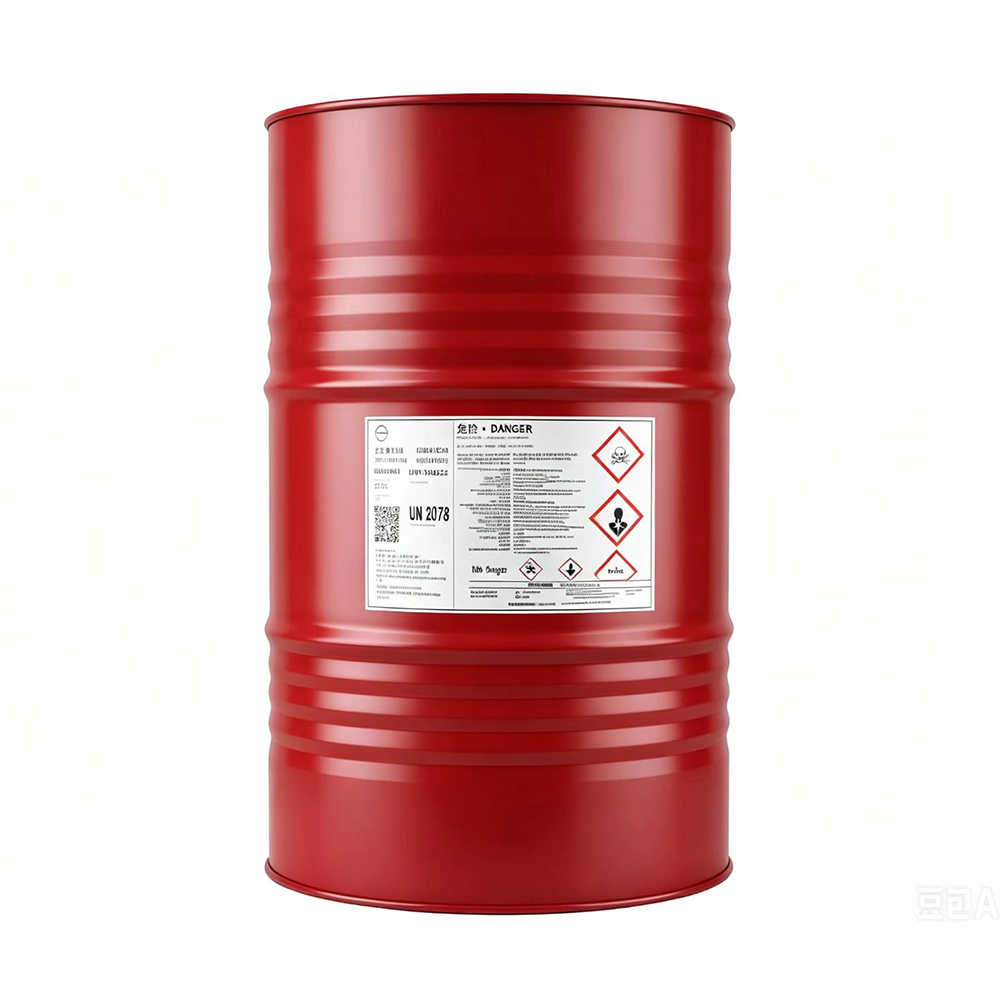
Covestro TDI 80/20 Premium Polyurethane Raw Material
Covestro TDI 80/20 Premium Polyurethane Raw Materi...

Content
A maintenance technician wipes a steel mold with acetone, and the leftover epoxy releases in seconds. The same acetone touches a polystyrene cup, and the cup collapses into a sticky film. That contrast explains most of what acetone does: it is a fast, aggressive solvent for organic compounds, but it is not selective. It will clean uncured resin from a tool, remove oil from a glass surface, and thin polyester resin, yet it can also dissolve ABS, soften acrylic, and lift wood finishes. For industrial buyers, the practical question is not whether acetone works, but whether it is compatible with the substrate, the process, and the required purity.
Acetone is a polar aprotic solvent with a dielectric constant around 20.7. That number matters because it helps explain why acetone dissolves so many organic materials while leaving most inorganic salts, sugars, and metals untouched. It mixes completely with water, alcohols, and many hydrocarbons. Its low surface tension lets it penetrate tight gaps, and its high evaporation rate means it leaves a surface quickly without a long drying step.
In practice, acetone does three main jobs: it dissolves oils, greases, waxes, and many polymers; it dilutes or thins certain resins before they cure; and it cleans surfaces by carrying contamination away as it evaporates. It does not dissolve cured thermoset plastics in the same way, but repeated or prolonged contact can still swell, soften, or degrade them. That is why a quick wipe and a long soak are very different processes.
Acetone is most effective when the contamination is organic and the substrate is resistant. Common industrial and workshop uses include:
Each use carries a different tolerance for water content, acidity, and evaporation residue. A general-purpose industrial grade may be fine for cleaning a mold, but an electronics or laboratory application may require a higher-purity grade with low non-volatile residue. The wrong grade can leave a film that interferes with adhesion or electrical performance.
Compatibility is the deciding factor. The table below summarizes how acetone typically behaves with materials often found in composite, electrical, and maintenance work.
| Material | Acetone Action | Practical Effect | Buyer Note |
|---|---|---|---|
| Uncured epoxy or polyester | Rapid dissolution | Cleans tools and molds quickly | Use gloves and ventilation |
| Cured epoxy | Slow swelling or softening | Long contact may damage surface | Limit to short wipes |
| ABS and acrylic | Dissolves or softens | Cracks, clouding, or deformation | Avoid contact |
| Polystyrene foam | Very rapid dissolution | Foam collapses into sticky gel | Never use for foam cleaning |
| Polypropylene and polyethylene | Little effect at room temperature | Suitable for short-term storage | Check container rating |
| Wood finishes | Removes lacquer and varnish | Leaves bare wood and repair work | Test a hidden area first |
| Metal | Degreases and cleans | No corrosion from acetone itself | Dry promptly to prevent rust |
| Glass and ceramic | Cleans oils and inks | No visible damage | Use lint-free wipes |
Typical behavior at room temperature; actual effects depend on exposure time, resin formulation, and acetone grade.
In factories that produce FRP rods, filament-wound tubes, and composite insulators, acetone is often the first cleaner on the bench. It removes uncured resin from mixing tools, wipes mold release residue from metal surfaces, and degreases fiberglass or epoxy rods before bonding. For a filament-wound tube, a clean mandrel and clean fiber surface directly affect resin wet-out and final mechanical strength. For a composite insulator, acetone can help prepare metal end fittings before adhesive application, provided the solvent has fully evaporated.
The risk is overuse. Cured epoxy and glass-reinforced plastic are not fully immune. Prolonged soaking can cause swelling, loss of surface hardness, or moisture absorption at the interface. A common shop rule is to wipe, not soak; to use fresh solvent; and to allow enough flash-off time before applying adhesive, paint, or silicone. If you need background on how these parts are built, see what a composite insulator is before specifying a cleaning routine.
Acetone is flammable. Its flash point is around minus 20 degrees Celsius, and its vapor is heavier than air, so it can travel along floors to an ignition source. Storage areas need ventilation, grounded containers, and separation from oxidizers such as peroxides or concentrated nitric acid. A closed, labeled cabinet away from direct sunlight is standard for small quantities.
Personal protective equipment matters because acetone defats skin and can irritate eyes. Butyl rubber gloves resist acetone better than latex or nitrile for prolonged contact. Safety glasses or goggles are appropriate for any open handling. If you are cleaning a large mold or tank, local exhaust ventilation is more effective than a dust mask, which does not stop solvent vapor.
Waste acetone should not be poured down a drain. It is a hazardous waste in most jurisdictions and should be collected in labeled, closed containers for proper disposal. Reusing dirty acetone for rough cleaning can reduce waste volume, but it should not be used for final surface preparation.
Acetone is sold in several grades, from general-purpose industrial grade to reagent and electronic grades. The specification that matters most depends on your process. For cleaning molds and tools, water content and non-volatile residue are usually the key limits. For electronics or analytical work, trace metals and acidity may also be controlled. Typical packaging includes 200-liter drums, 1000-liter IBC totes, and bulk tankers.
When comparing suppliers, ask for the current certificate of analysis, safety data sheet, and technical data sheet. Check the batch number, production date, and shelf life. Acetone does not degrade quickly in a sealed container, but it absorbs moisture if left open, which can affect resin dilution and metal cleaning. A supplier with stable global supply and responsive documentation can make the purchase less risky, especially when acetone is ordered alongside other chemical raw materials.
Before placing a bulk order, run a small compatibility test on the exact substrate you plan to clean. A test on scrap ABS, cured epoxy, or painted metal takes minutes and can prevent a costly surface failure later. The best acetone is not the cheapest drum; it is the grade that matches your cleaning task, your substrate, and your safety controls.
Acetone does one thing very well: it dissolves organic contamination quickly. That makes it valuable for degreasing metal, cleaning uncured resin, removing adhesive, and preparing composite parts before bonding. It also means it can destroy polystyrene foam, soften ABS, and strip wood finishes if used without checking compatibility. For industrial buyers, the decision comes down to grade, exposure time, and substrate. Match those three, and acetone becomes a reliable, fast-acting tool rather than an expensive surprise.
Covestro TDI 80/20 Premium Polyurethane Raw Materi...
Vince WhatsApp/wechat: +86-18606281799
Email: vince@domi-industrial.com
Simon WhatsApp/wechat: +86-18606288870
Email: simon@domi-industrial.com
Copyright © DOMI (HK) INDUSTRIAL CO., LIMITED All Rights Reserved. Polyurethane Raw Material Manufacturer Polyurethane Chemical Factory