



 English
 Français
 Español
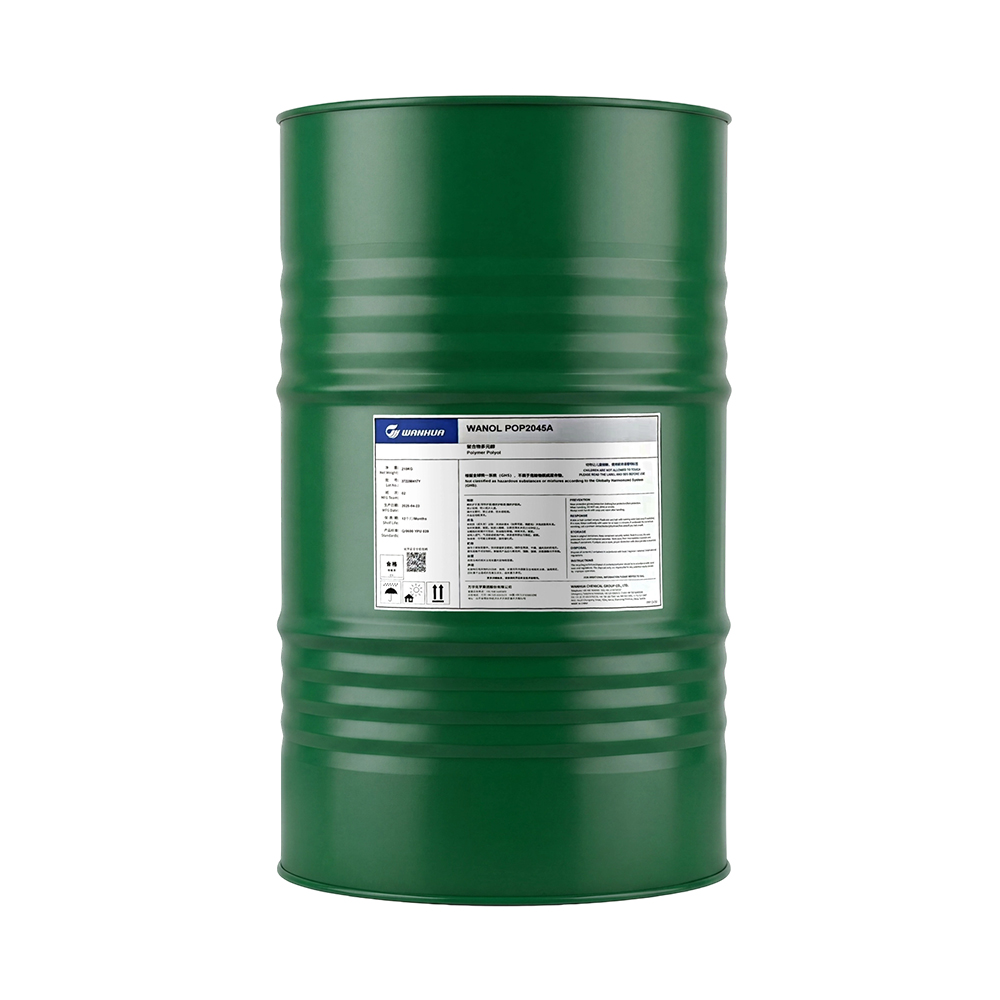
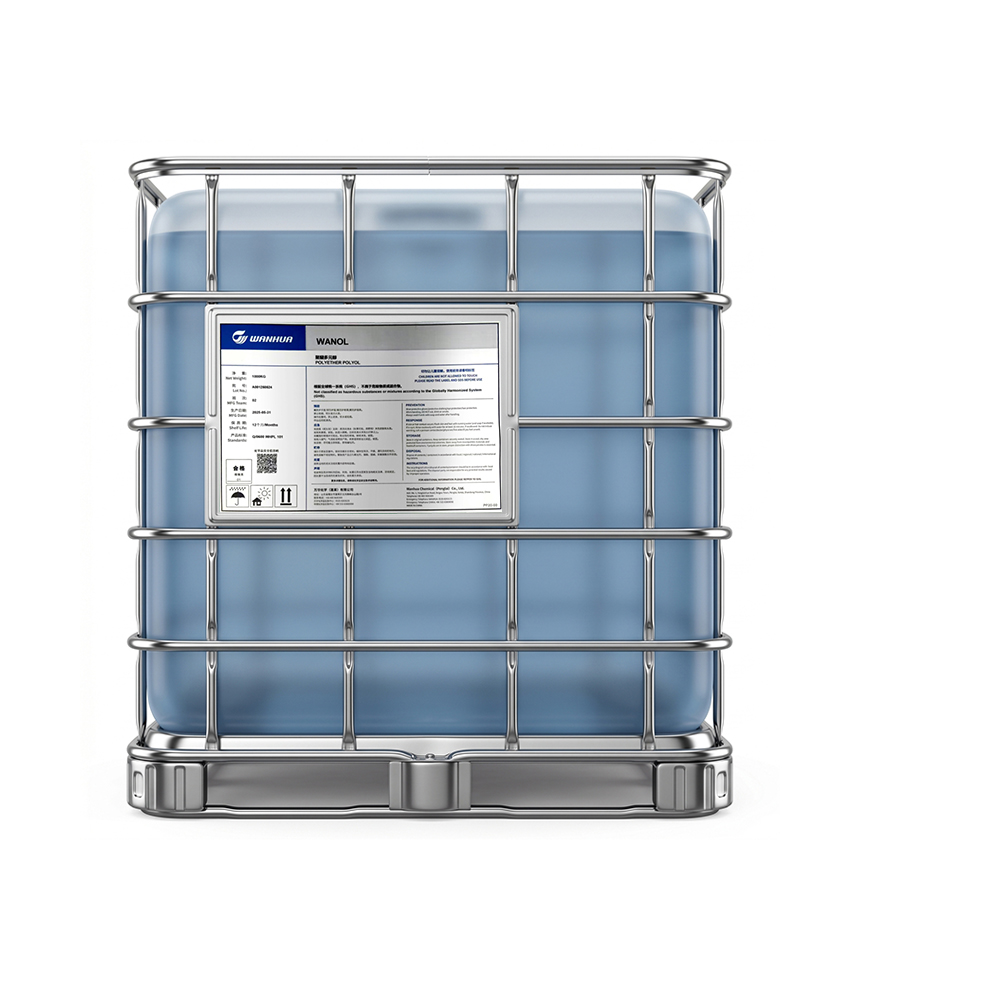



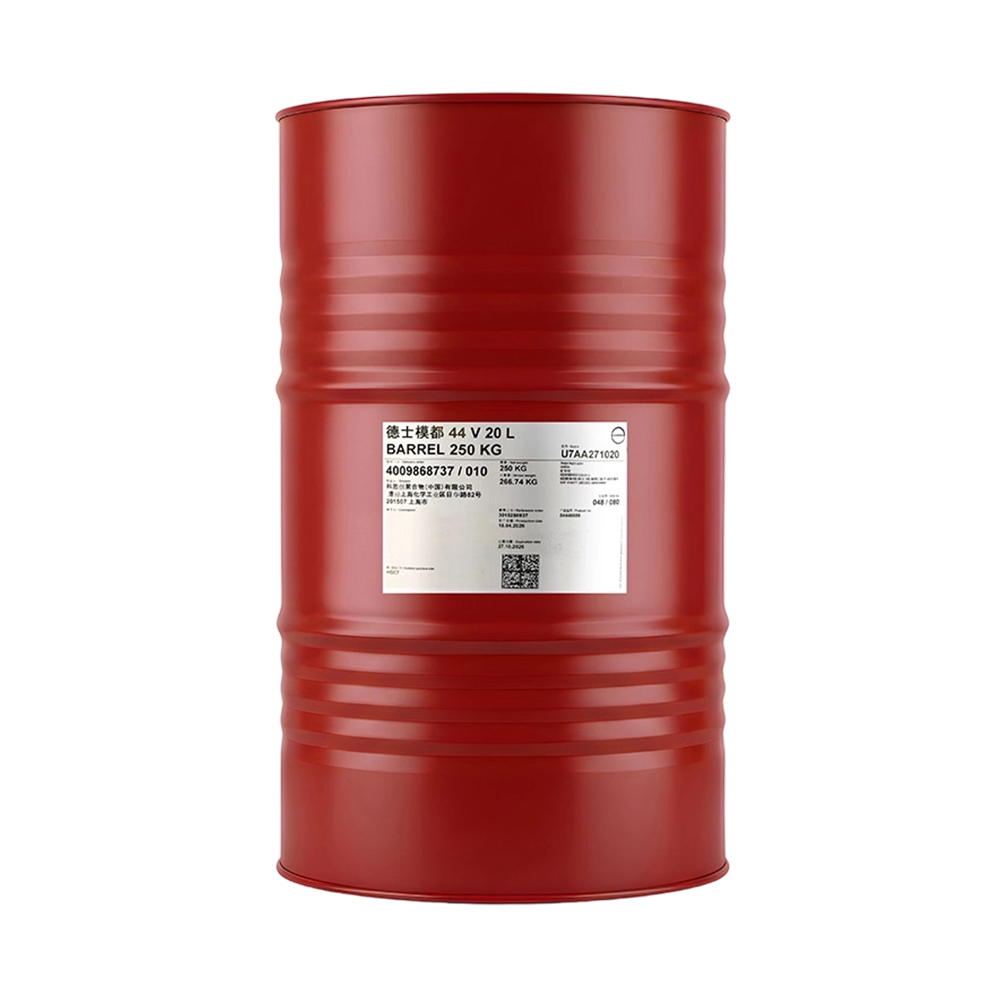
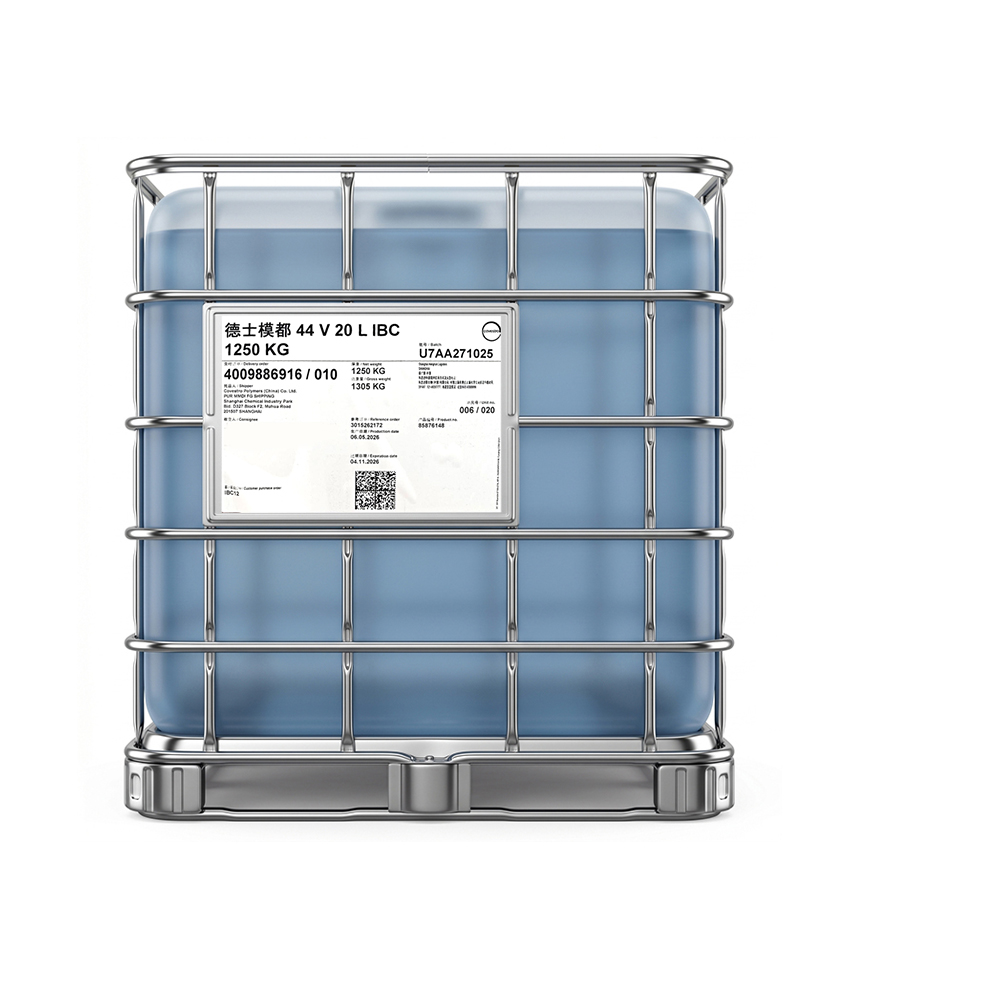
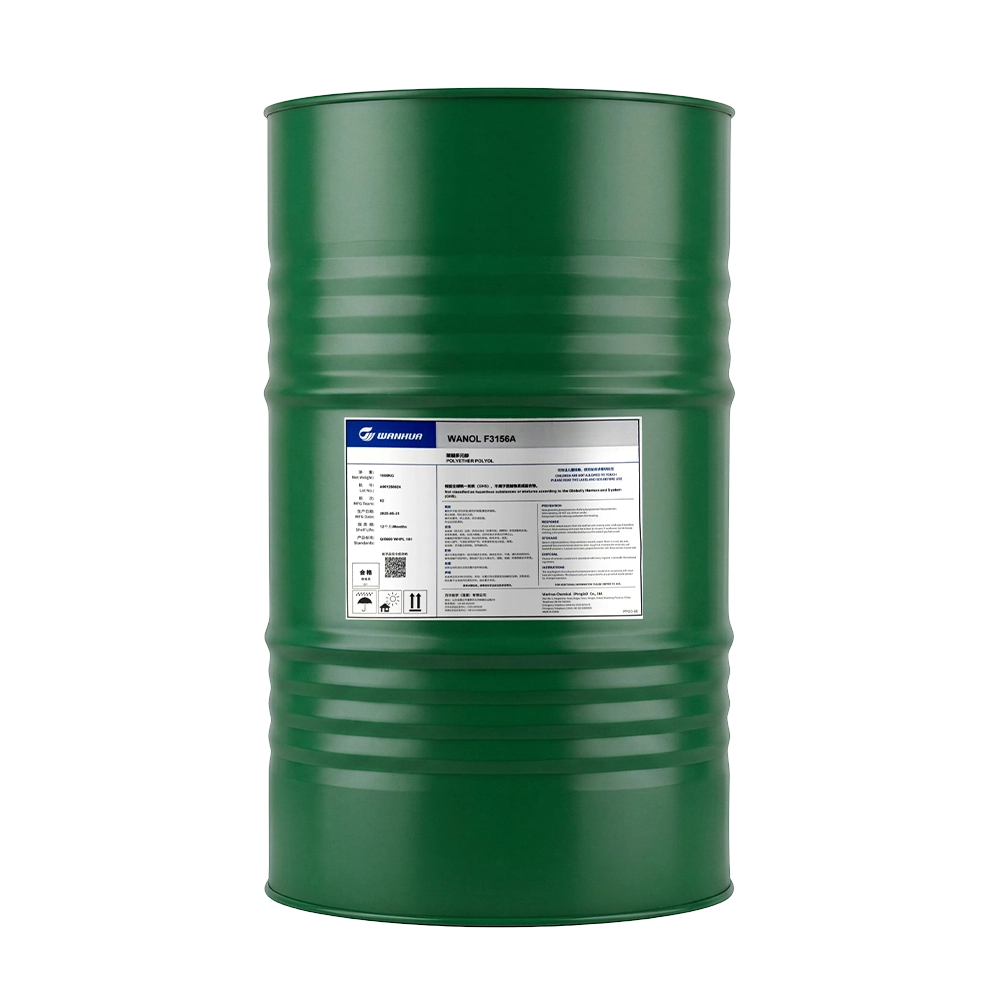
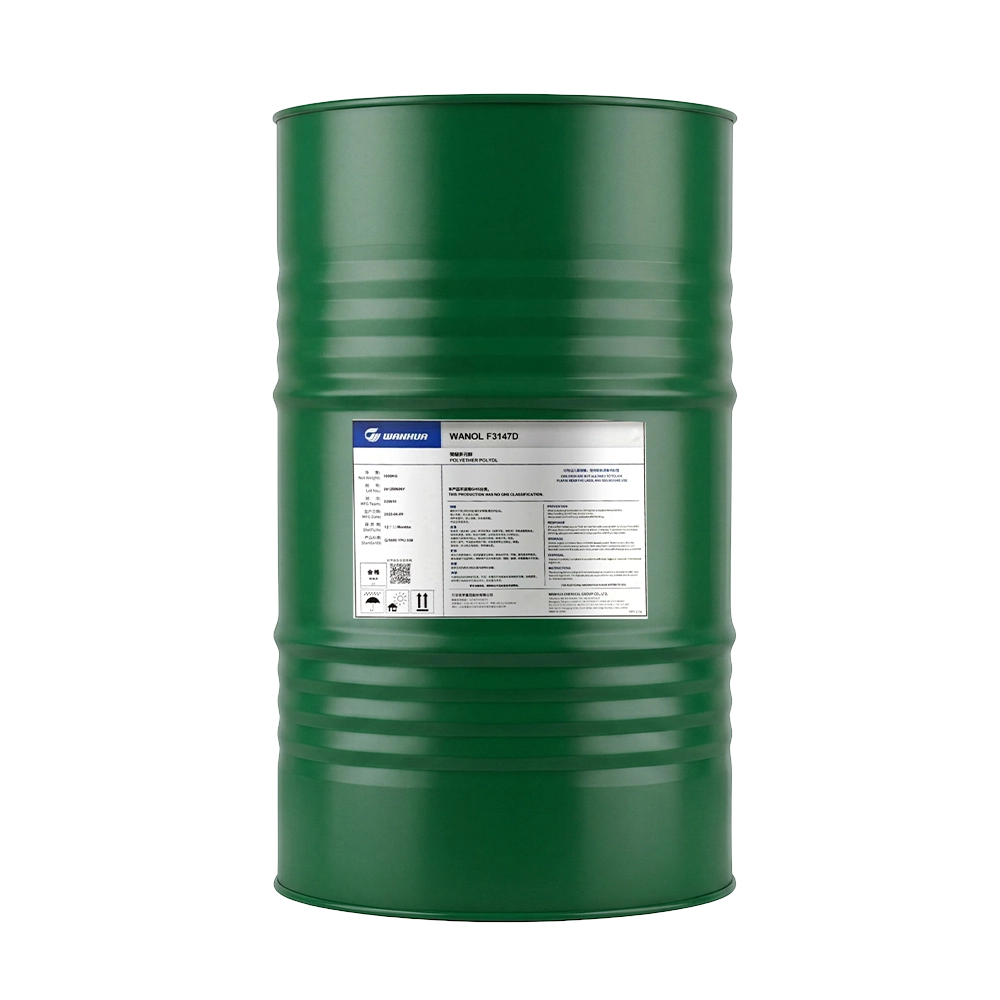
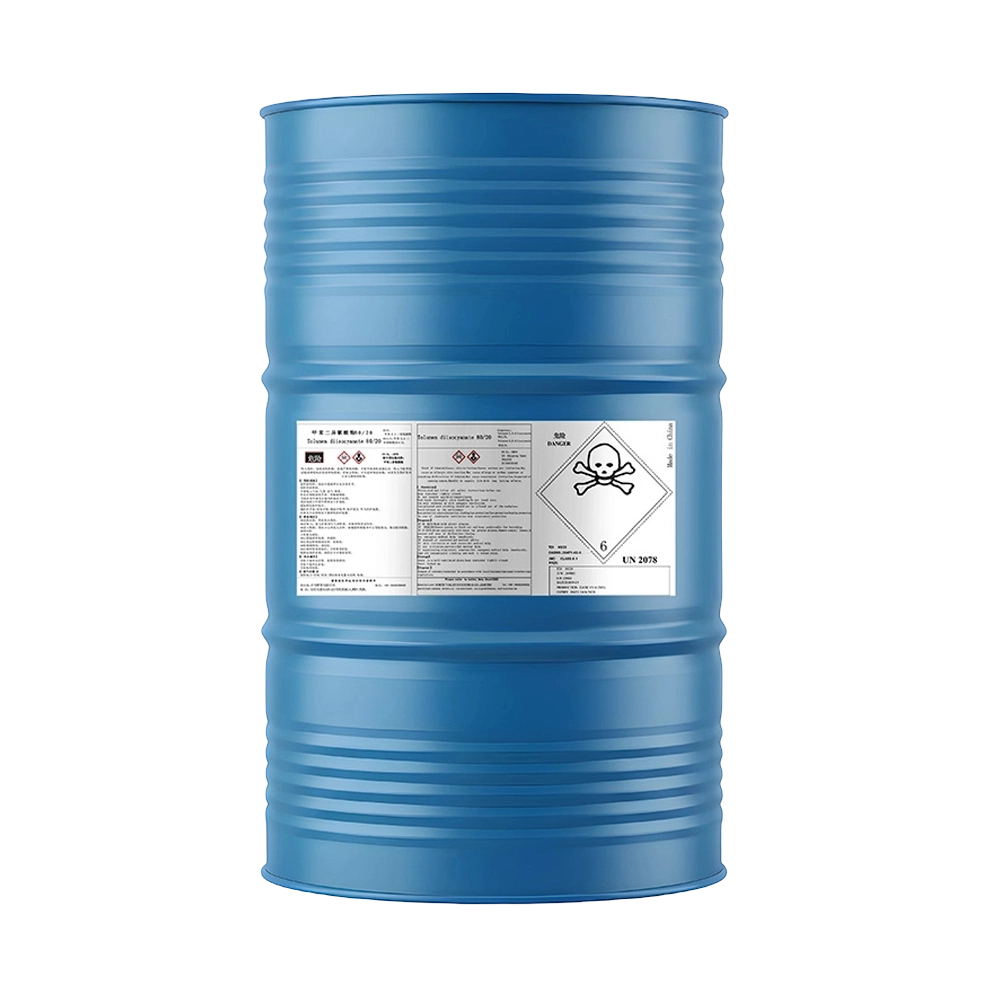
What Is Polymer Polyol (POP) and Why It Matters
Polymer Polyol POP is a modified base polyol in which fine solid polymer particles, typically styrene-acrylonitrile (SAN) or polyurea, are dispersed and grafted throughout the liquid polyol matrix. This dispersed-phase structure gives POP significantly higher load-bearing capacity, resilience, and support factor compared with conventional polyether polyol, making it a preferred choice for high-performance flexible foam applications such as mattresses, automotive seating, and furniture cushioning.
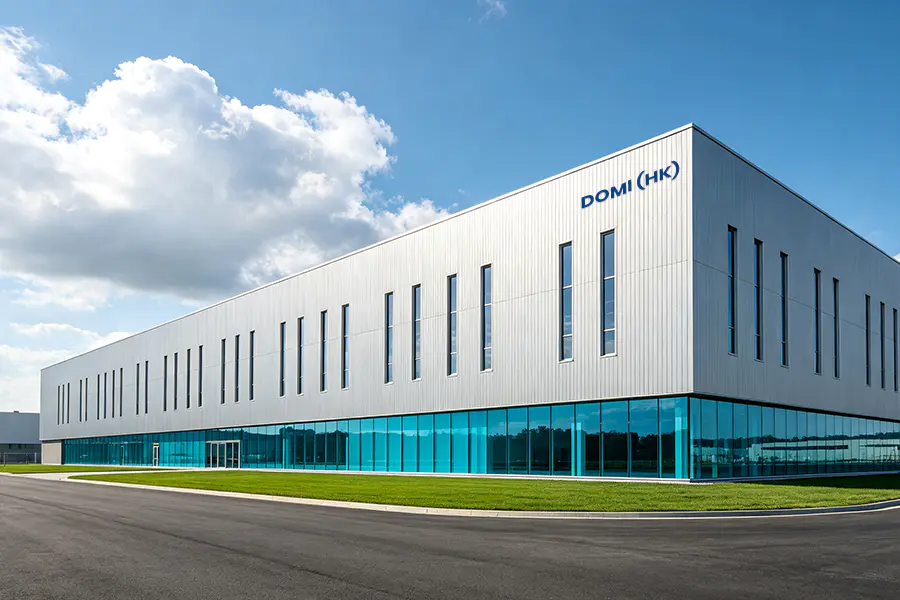
As a key raw material in the polyurethane supply chain, reliable access to consistent POP quality directly affects foam firmness, durability, and production yield. DOMI (HK) INDUSTRIAL CO., LIMITED, established in 2022 and headquartered in Hong Kong, is an official authorized distributor for world-class polyurethane manufacturers, including Covestro, Wanhua Chemical, Cangzhou Dahua, and Gansu Yinguang, supplying Polymer Polyol (POP) alongside TDI, Polymeric MDI, and standard Polyether Polyol.
How Polymer Polyol Improves Foam Performance
The solid polymer particles suspended in POP act as reinforcing fillers within the foam cell walls. During the foaming reaction, these particles increase the cross-link density around each cell, which raises load-bearing capacity without requiring a higher overall polyol hydroxyl value. The result is a foam that feels firmer and recovers its shape faster after compression.
Core Performance Benefits
- Higher indentation load deflection (ILD) for improved firmness
- Better foam support factor and reduced sagging over time
- Improved airflow and open-cell structure in high-resilience foam
- Enhanced tensile strength and tear resistance
These properties make POP especially valuable for producers seeking a durable foam solution without significantly increasing formulation cost.
Solid Content and Its Effect on Foam Properties
The solid content of Polymer Polyol, typically expressed as a percentage of solid polymer within the total polyol, is one of the most important specifications for buyers to evaluate. Higher solid content generally increases foam firmness and support but can also raise viscosity, requiring careful processing control.
| Solid Content Range | Typical Viscosity | Common Application |
|---|---|---|
| Low (10–20%) | Lower viscosity | Standard cushioning foam |
| Medium (20–35%) | Moderate viscosity | Mattress and furniture foam |
| High (35%+) | Higher viscosity | High-load automotive seating |
Evaluating a Supplier for Consistent POP Quality
Because POP performance depends heavily on stable particle size distribution and solid content, buyers should prioritize suppliers with strong manufacturer partnerships and dependable logistics. Key evaluation factors include:
- Direct or authorized distribution ties to established polyurethane producers
- Batch consistency in solid content and viscosity
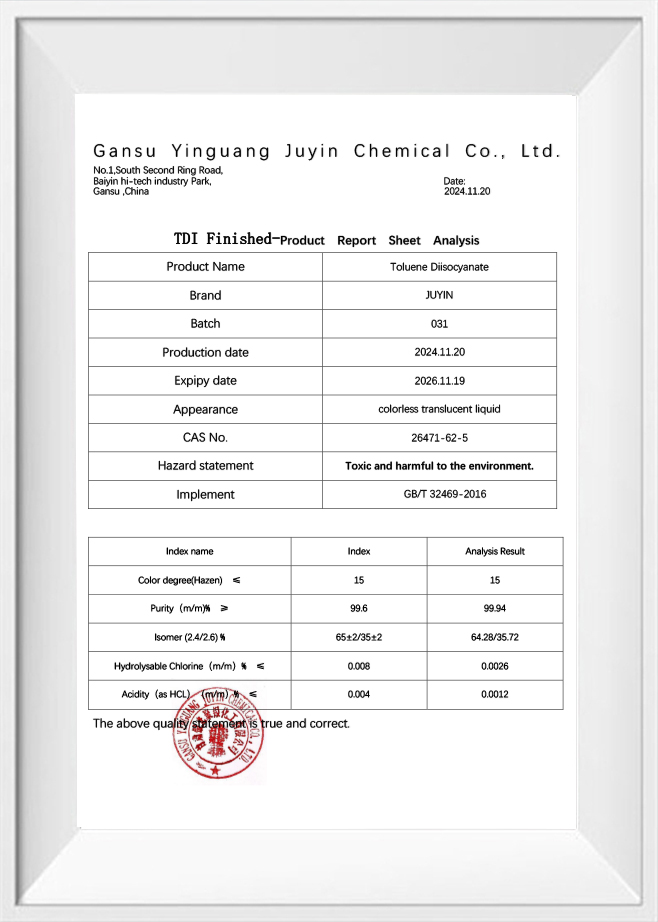
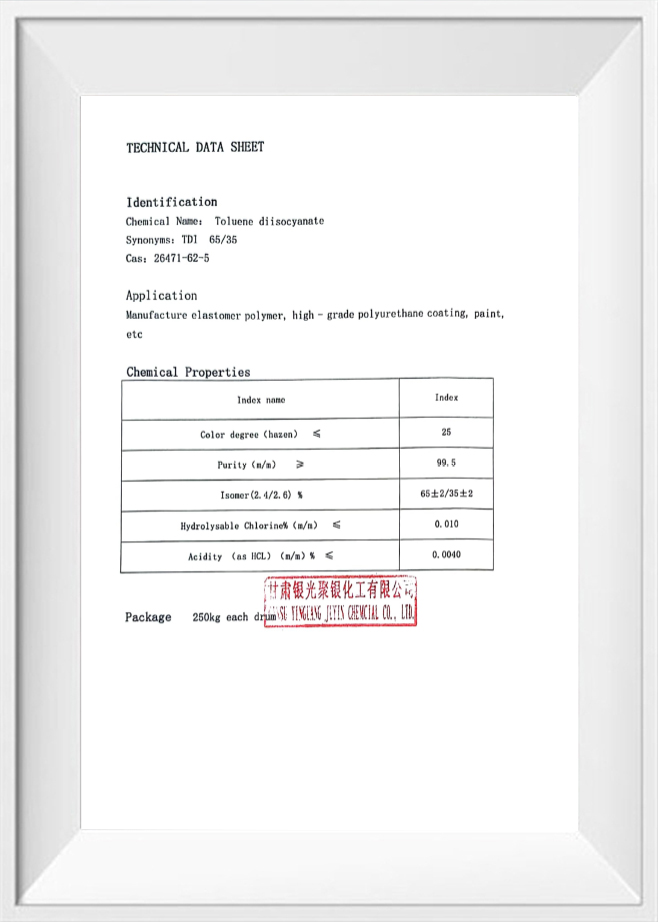
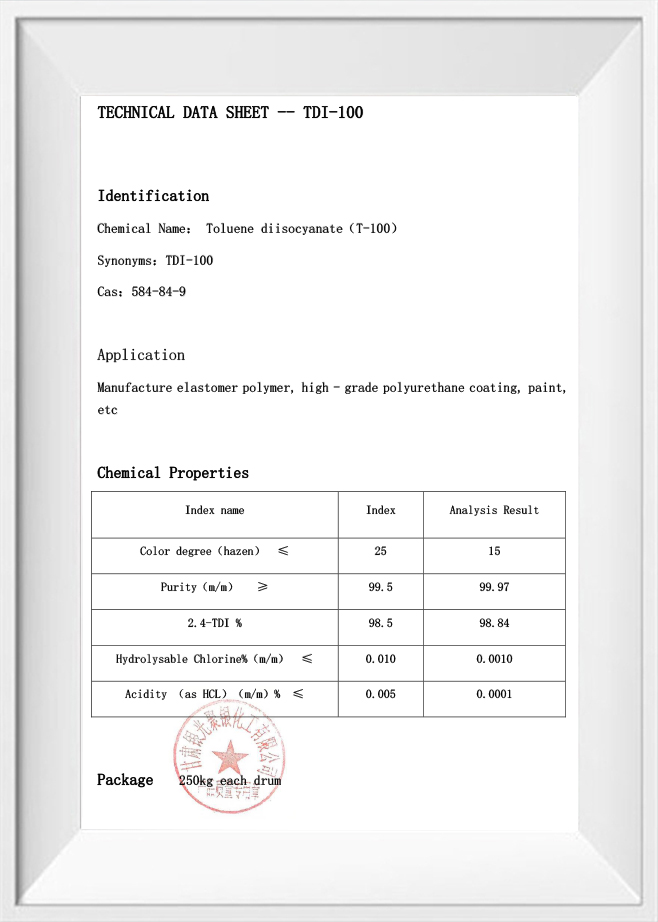
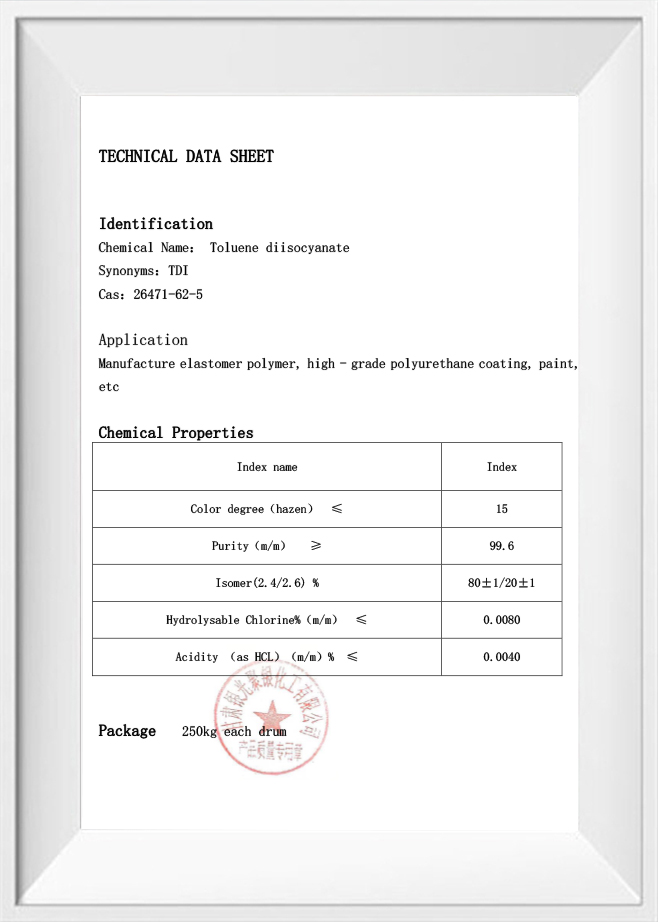
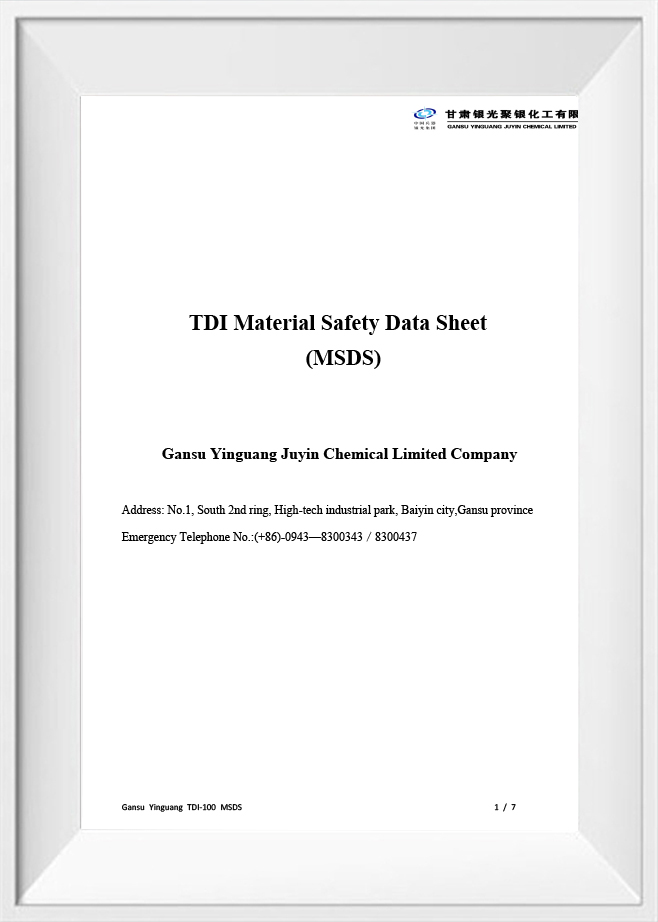
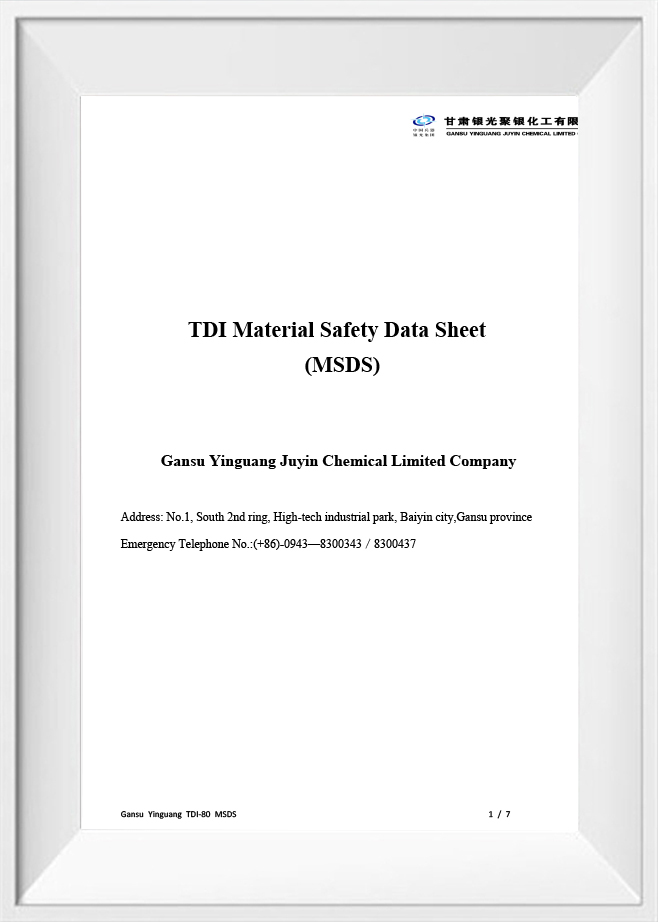
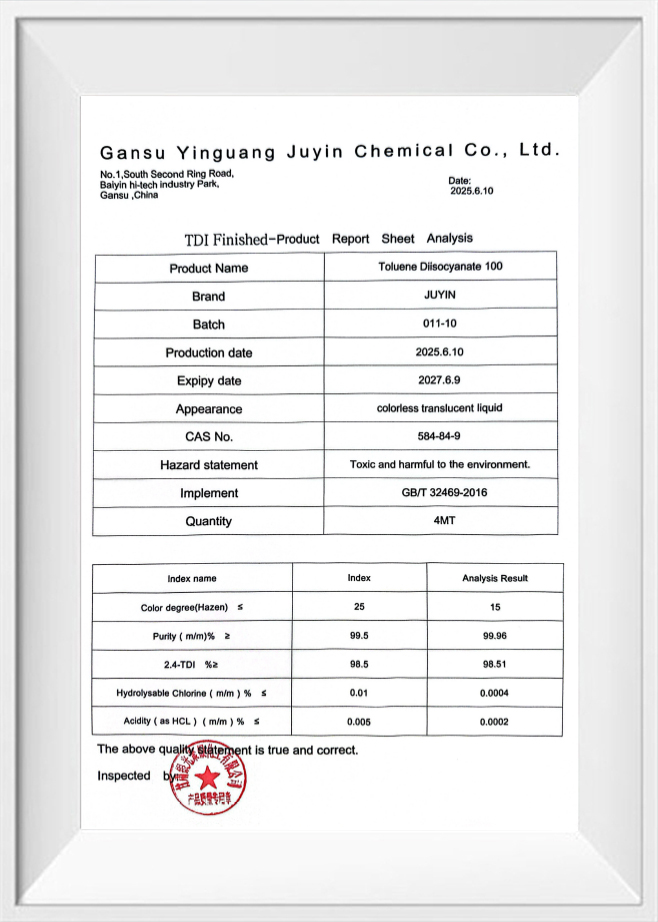
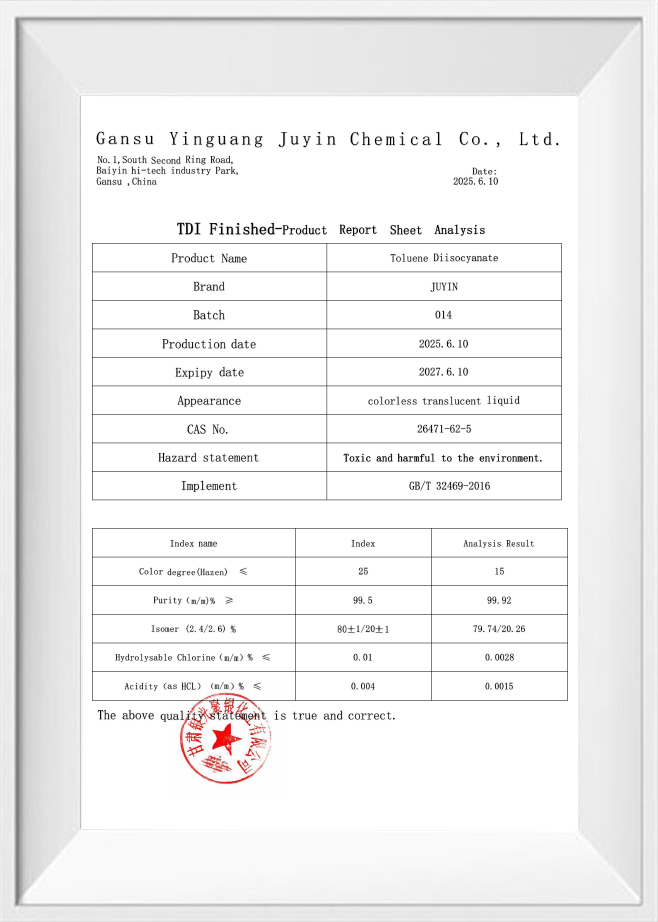
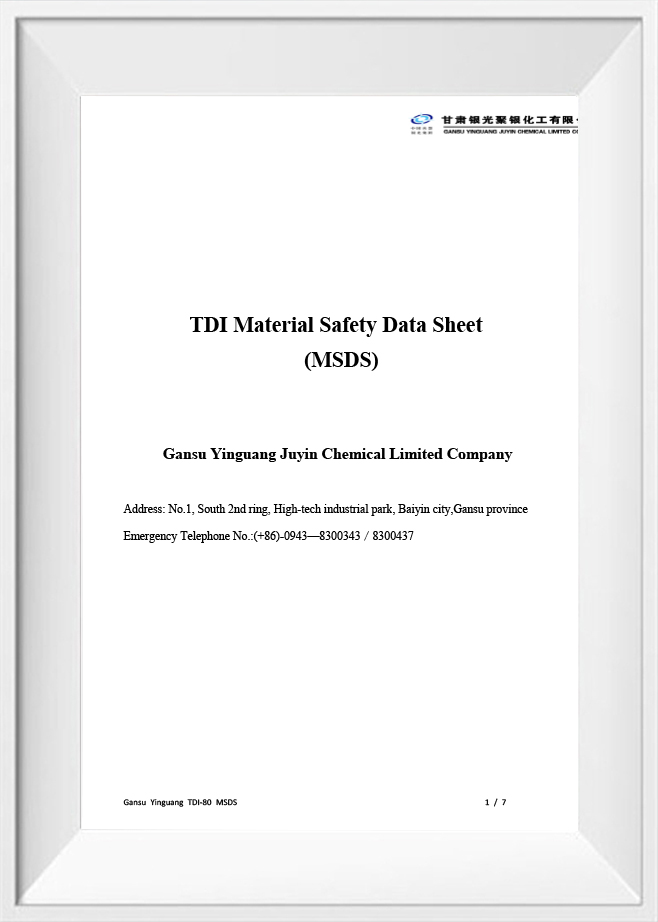
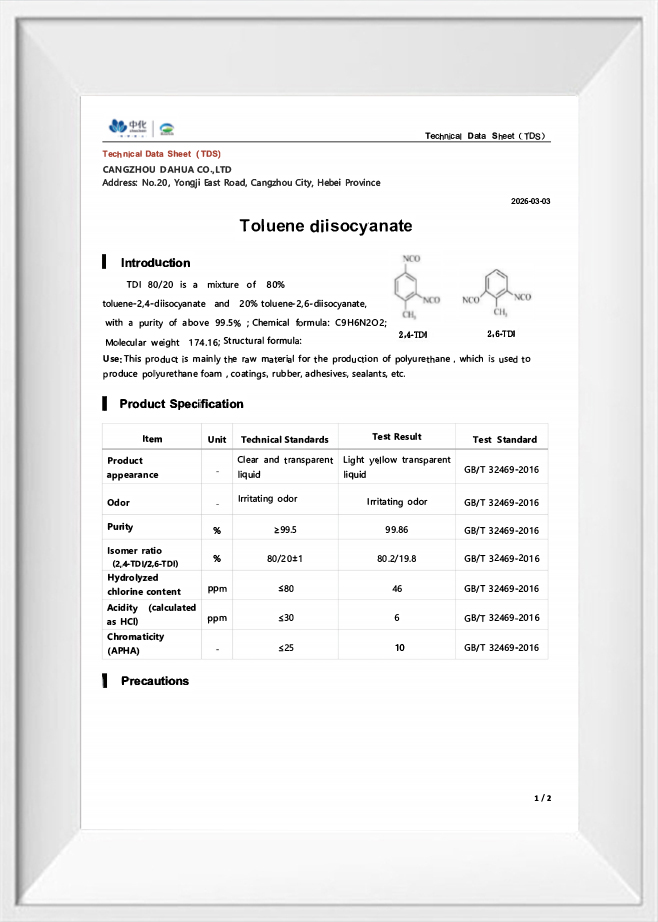
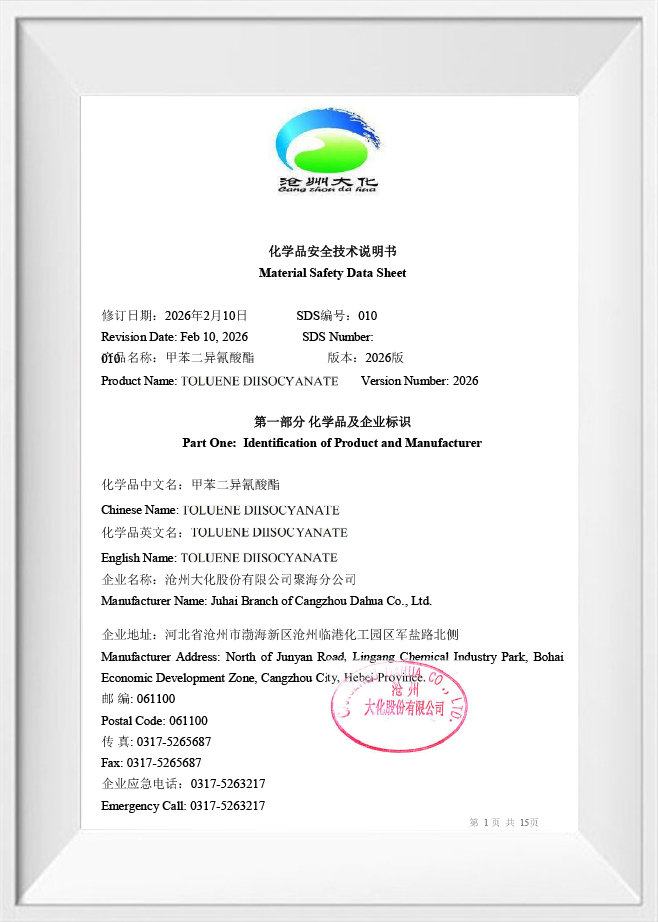
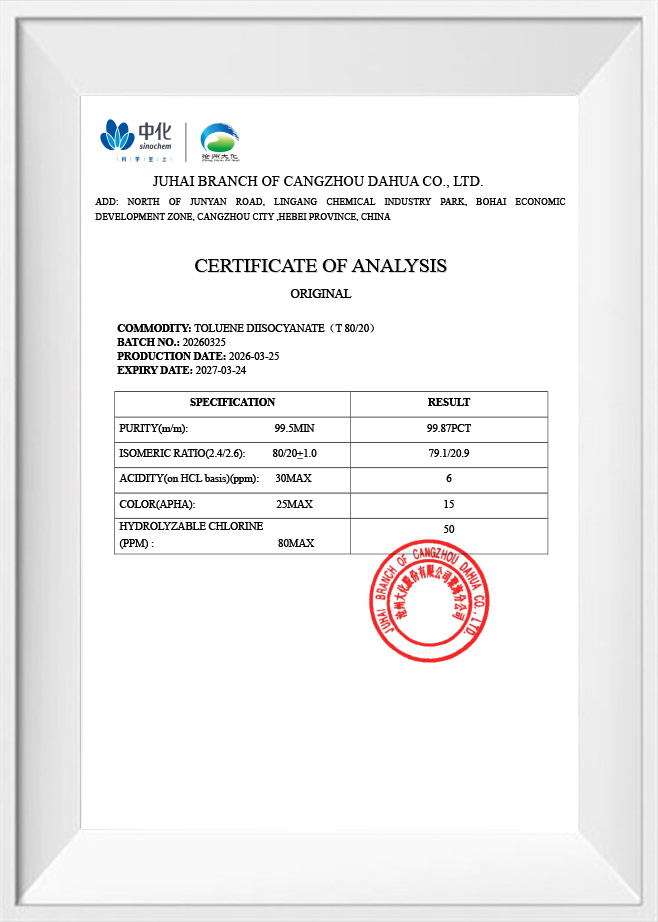
- Complete technical documentation, including MSDS, TDS, and COA
- Flexible sea and land shipping to support international orders
DOMI (HK) INDUSTRIAL CO., LIMITED reports annual sales exceeding 50,000 metric tons and serves customers across more than 30 countries and regions, offering stable, high-quality, and cost-effective supply of Polymer Polyol (POP) alongside comprehensive documentation support and efficient logistics solutions.
Frequently Asked Questions
Q1: What makes Polymer Polyol different from standard polyether polyol?
Polymer Polyol contains dispersed solid polymer particles that reinforce the foam structure, giving it higher firmness and support without needing a higher hydroxyl value, unlike standard polyether polyol.
Q2: Can POP be blended with standard polyether polyol?
Yes. Manufacturers frequently blend POP with conventional polyether polyol at various ratios to fine-tune foam density, firmness, and cost according to specific product requirements.
Q3: What storage conditions are recommended for Polymer Polyol?
POP should be stored in sealed containers at moderate temperatures, away from moisture and direct sunlight, to prevent particle settling and maintain consistent viscosity before use.
Q4: Is Polymer Polyol suitable for high-resilience (HR) foam?
Yes, POP is widely used in high-resilience foam formulations because its reinforced structure supports the higher load-bearing and rebound characteristics that HR foam requires.