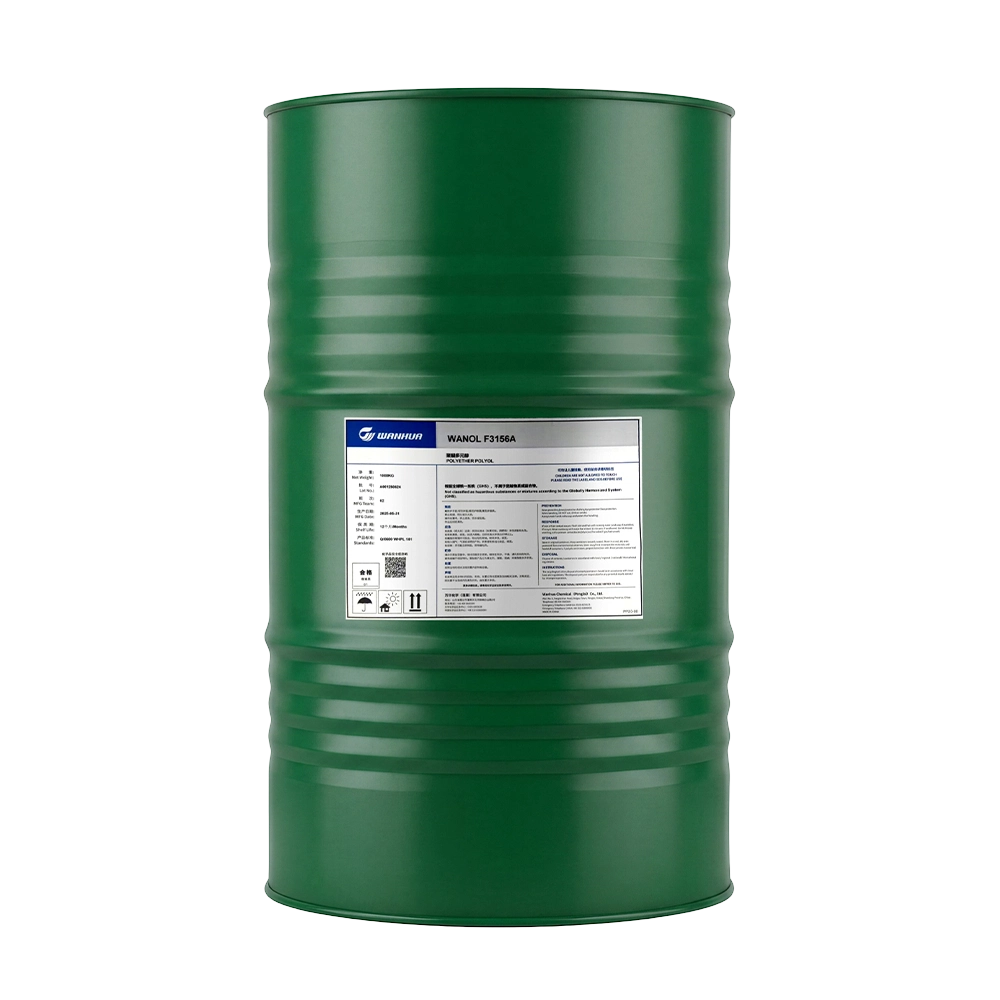
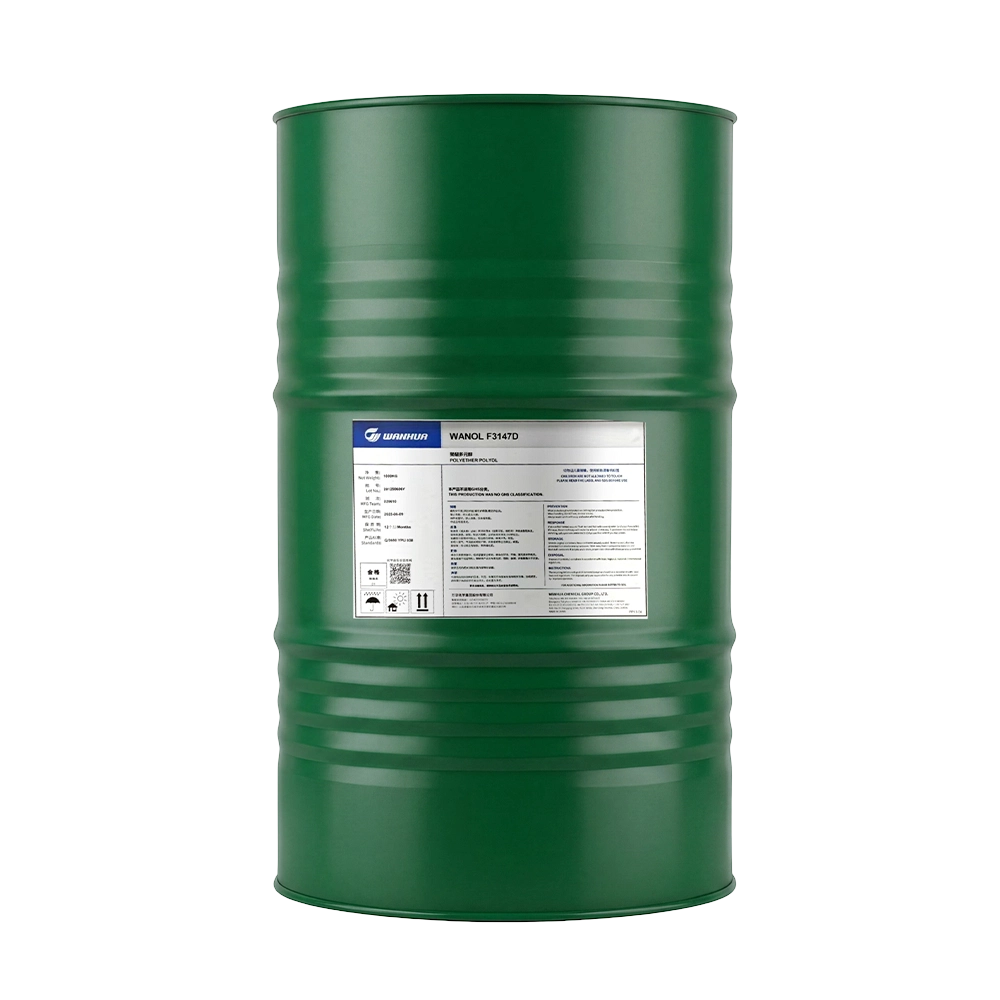
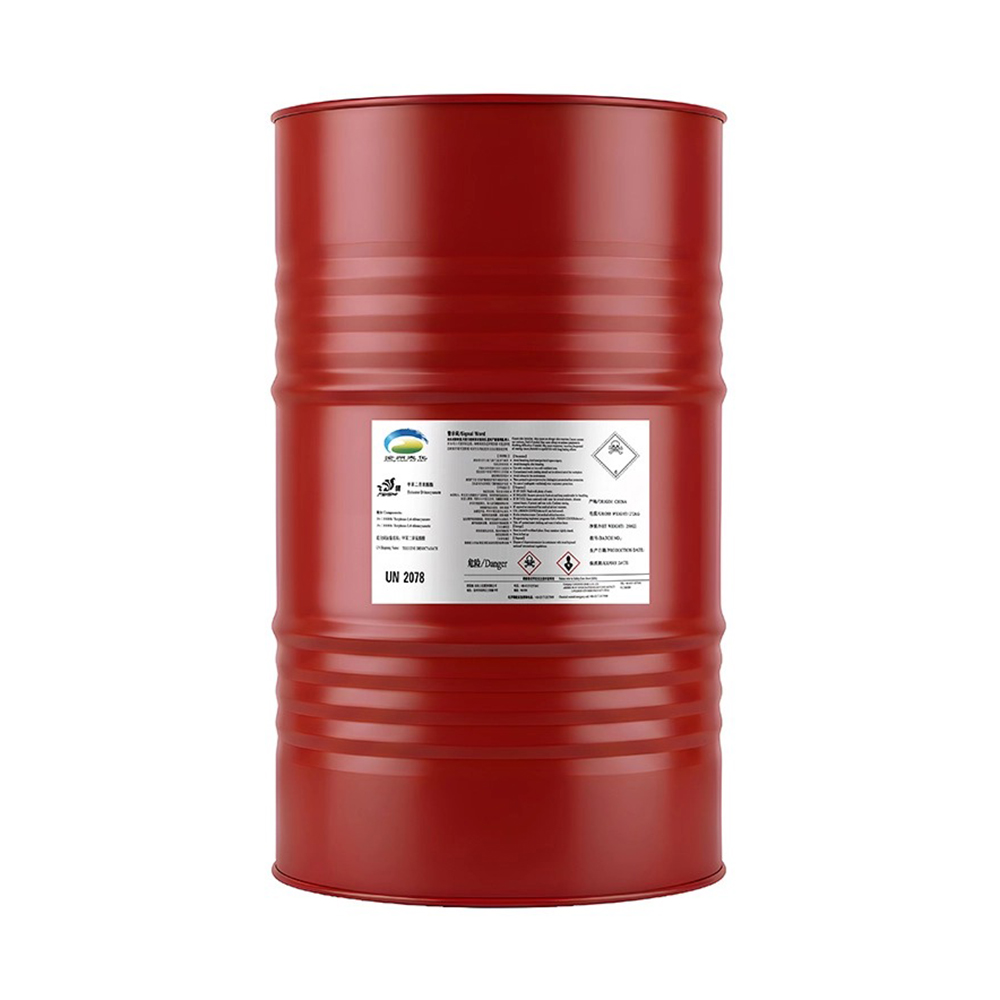
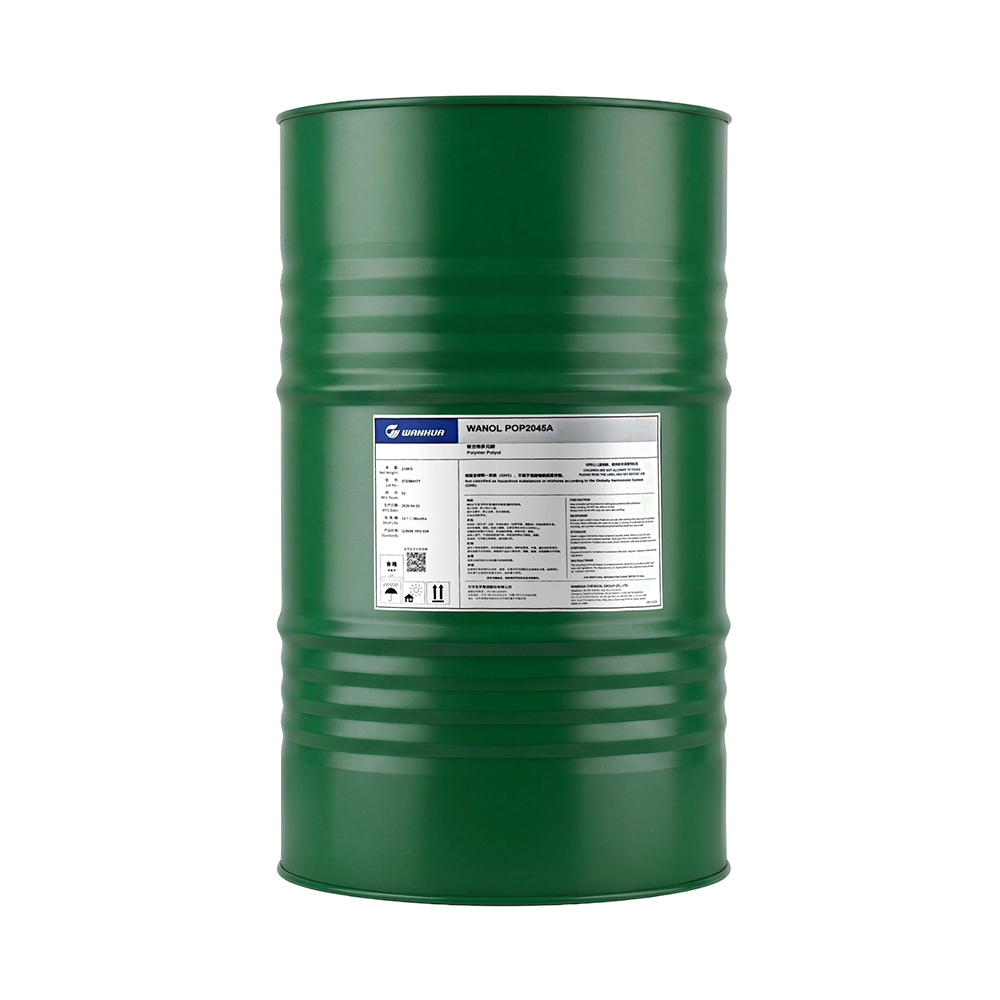
A drum of TDI arrives on a pallet. On the label there is a red-bordered white diamond, a single word printed above the hazard statements, and a supplier address. On the side of the truck that delivered it there is a completely different diamond, with a class number in the bottom corner and no GHS symbols at all. Both marks are correct. They were issued by different authorities, for different audiences, under different rulebooks.
That gap catches people out every week. A warehouse team reads a transport placard and assumes it describes how to store the drum. A shipping clerk copies a workplace safety sign onto an outer carton and creates a non-compliant label. Knowing which system you are looking at, and what each symbol does and does not tell you, removes most of that confusion.
Read a Hazard Label in Three Layers, Not One
A pictogram answers only one question: what kind of danger is this? It never tells you how serious the hazard is, and it never tells you what to do about it. Those answers sit elsewhere on the same label, and reading all three layers takes about fifteen seconds.
- The pictogram: a black symbol inside a red-bordered white diamond. Nine exist worldwide.
- The signal word: either "Danger" for the higher severity category or "Warning" for the lower one. When a product triggers both, "Danger" takes precedence.
- The hazard and precautionary statements: coded H-statements describing the actual effect, such as H314 "causes severe skin burns and eye damage", and P-statements describing the response, such as P280 "wear protective gloves and eye protection".
The practical consequence is that two drums can carry the same exclamation-mark pictogram and need different handling. H319 (serious eye irritation) and H317 (may cause an allergic skin reaction) share one symbol, one signal word, and completely different spill and PPE procedures. A receiving checklist built only on pictograms will wave both through with identical instructions.
The Nine GHS Pictograms and What Each One Means
Nine pictograms make up the Globally Harmonised System. The artwork is identical in every economy that has adopted it, including the EU's CLP Regulation, US OSHA HazCom 2012 and China's GB 30000 series. Only the language of the surrounding text changes.
| Code |
Symbol |
What it means |
Typical products |
| GHS01 |
Exploding bomb |
Explosives, self-reactive substances and organic peroxides |
Mining initiators, fireworks |
| GHS02 |
Flame |
Flammable gases, aerosols, liquids and solids; pyrophoric and self-heating materials; substances that release flammable gas on contact with water |
Solvents, adhesives, aerosol propellants |
| GHS03 |
Flame over circle |
Oxidisers that can feed a fire or start one without air |
Peroxides, nitrate salts |
| GHS04 |
Gas cylinder |
Gases under pressure, including liquefied and refrigerated gases |
Nitrogen, LPG, refrigerants |
| GHS05 |
Corrosion |
Corrosive to metals, plus serious skin burns and eye damage |
Mineral acids, caustic soda |
| GHS06 |
Skull and crossbones |
Acute toxicity: fatal or toxic if swallowed, inhaled or in contact with skin |
TDI and similar high-toxicity intermediates |
| GHS07 |
Exclamation mark |
Skin and eye irritation, skin sensitisation, harmful acute toxicity, narcotic effects, respiratory irritation, ozone layer hazard |
Polymeric MDI, detergents, paints |
| GHS08 |
Health hazard |
Carcinogenicity, mutagenicity, reproductive toxicity, respiratory sensitisation, target organ damage, aspiration hazard |
Isocyanate systems, some solvents, respirable dusts |
| GHS09 |
Environment |
Hazardous to aquatic life, with acute or long-term effects |
Biocides, metal salts, some solvents |
The nine GHS pictograms, the hazard families they cover and the kind of products that typically carry them.
Two of these are easy to mix up. The exclamation mark (GHS07) covers short-lived, acute effects, while the health hazard symbol (GHS08) is reserved for serious or chronic ones. A drum of polymeric MDI often carries both: the exclamation mark for skin and eye irritation, and the health hazard symbol for respiratory sensitisation, because asthma-like reactions can persist long after the exposure has ended. Under US OSHA rules, eight pictograms are mandatory; the environmental pictogram is not required by OSHA and appears mainly under transport and environmental regulations.
Workplace and Facility Signs That Are Not GHS
Once a chemical leaves its container, the signage changes entirely. Facility signs follow shape and colour conventions rather than pictogram artwork, and ISO 7010 is the most widely adopted set:
- Yellow triangle with a black border: warning of a hazard.
- Blue circle with a white symbol: mandatory action, most often PPE.
- Red circle with a diagonal bar: prohibited action.
- Green rectangle: safe condition, including escape routes and first aid.
- Red rectangle: fire equipment location.
In the United States, ANSI Z535 runs in parallel and relies on signal-word panels: DANGER in red, WARNING in orange, CAUTION in yellow, NOTICE in blue. Both systems appear side by side in plants that serve export markets.
Electrical signs deserve special attention because they expire. An arc flash label is calculated rather than copied: incident energy in calories per square centimetre, an arc flash boundary distance, and the required PPE category. Change a relay setting or swap an upstream fuse and the calculation changes with it, which makes the label on the panel door out of date. Treating arc flash labels as permanent markings is one of the most common compliance gaps in older substations.
Transport Placards: The Same Substance, a Different Sign
A placard is not a GHS label and is not meant to be read in a warehouse. Under US DOT rules in 49 CFR Part 172 Subpart F, placards are square-on-point diamonds measuring at least 273 mm, carrying the hazard class number at the bottom point and the class name in the middle. They exist so that emergency responders can identify what is on board a truck or rail car from a safe distance.
Placarding is also quantity-dependent. Many materials only require placards once the aggregate gross weight of the shipment reaches 1,001 lb (454 kg); below that, hazard labels on the packages carry the information instead. This is why an identical drum can travel with no placard at all on one journey and behind a red diamond on the next.
| System |
Who requires it |
Visual cues |
Where you see it |
| GHS / CLP label |
UN GHS via OSHA, CLP, GB 30000 |
Red-bordered white diamond, black symbol |
Drums, IBCs and small containers |
| DOT placard |
US DOT, 49 CFR Part 172 |
Square-on-point diamond in class colours, class number |
Trucks, rail cars, freight containers |
| ISO 7010 sign |
ISO 7010 and national adoptions |
Triangle, circle or rectangle in fixed safety colours |
Factory floors, gates, machinery |
| NFPA 704 diamond |
NFPA 704 for fixed facilities |
Four colour quadrants with 0-4 ratings |
Tank farms, storage buildings |
Four marking systems you will meet on the same site, distinguished by who issues them and what they are for.
Where an Electrical Hazard Sign Ends and the Hardware Begins
A high-voltage sign warns about a condition; it does not create the protection. The protection is insulation coordination: creepage distance, air clearance and mechanical rating, sized for the voltage class and the pollution level of the site. One detail that surprises buyers working across regions is where "high voltage" starts. US practice under the NEC and OSHA's electric power standards generally treats anything above 600 volts as high voltage, while IEC-based systems commonly draw the line at 1,000 volts AC. The same 690 V switchgear can be ordinary low voltage in one market and require high-voltage signage and approach distances in another.
Composite insulators are where that protection becomes physical hardware. A typical unit combines a glass-fibre reinforced epoxy core rod, a silicone rubber housing with moulded sheds, and metal end fittings crimped onto the rod ends. The three parts are engineered and tested as one assembly, because a good shed profile on a weak crimp still fails in service. If you want the build sequence in more detail, this explanation of what a composite insulator is covers the core, housing and fitting interfaces.
Post insulators carry the same logic indoors, supporting busbars and rigid conductors in switchgear and substations while holding live parts at the required distance from earthed metal.
At distribution level, the drop-out fuse is the equipment most often pictured on a warning sign. It protects a transformer by melting a replaceable element, then swings open to leave a visible break a line crew can confirm from the ground, which is also why arc flash calculations take the fuse curve into account.
None of that hardware holds together without the fittings. End fittings, brackets and clamps define the mechanical load path from conductor to structure, and they are usually the first items re-specified when a line is uprated or a structure is rebuilt.
Six Misreadings That Cause Real Site Problems
- Old EU orange-square CHIP symbols treated as current. They were phased out for substances on 1 June 2015 and for mixtures on 1 June 2017.
- A transport placard assumed to double as a storage label. Class 9 "miscellaneous" tells a responder very little about day-to-day handling.
- The pictogram read and the H-statements skipped. H314 and H315 look similar on a page and demand completely different eyewash and PPE routines.
- NFPA 704 ratings used as a handling guide. The diamond is for emergency responders and says nothing about chronic health effects.
- Secondary containers labelled with a pictogram only. Workplace labels still need a product identifier and the relevant hazard information.
- Arc flash labels left in place after a protection change, so the printed incident energy no longer matches the fault current the equipment can deliver.
Three questions cover almost every situation: which system issued this mark, what severity does the signal word indicate, and which precautionary statements apply to the task in front of me? Answer those and the symbol has done its job. For electrical equipment, add a fourth: is the physical insulation and switching hardware behind the sign still rated for the conditions it now faces?



 English
 Français
 Español