



 English
 Français
 Español
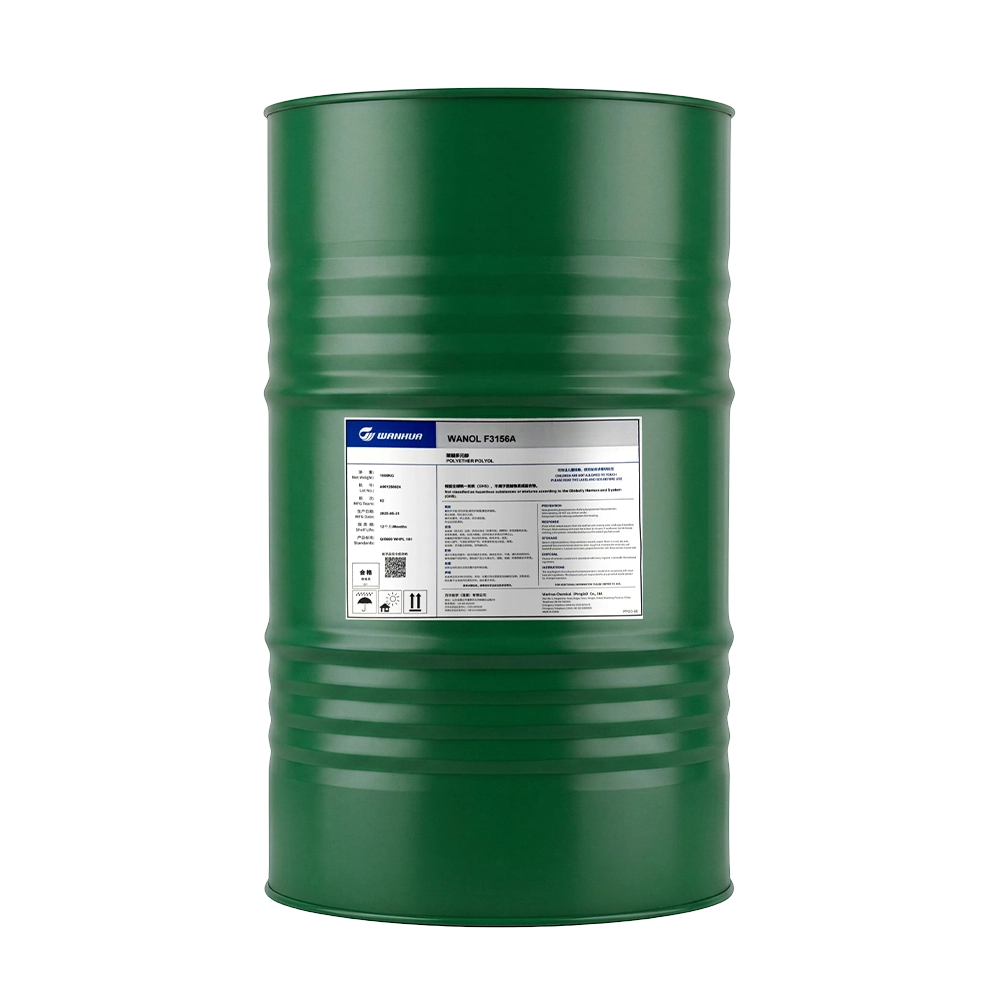
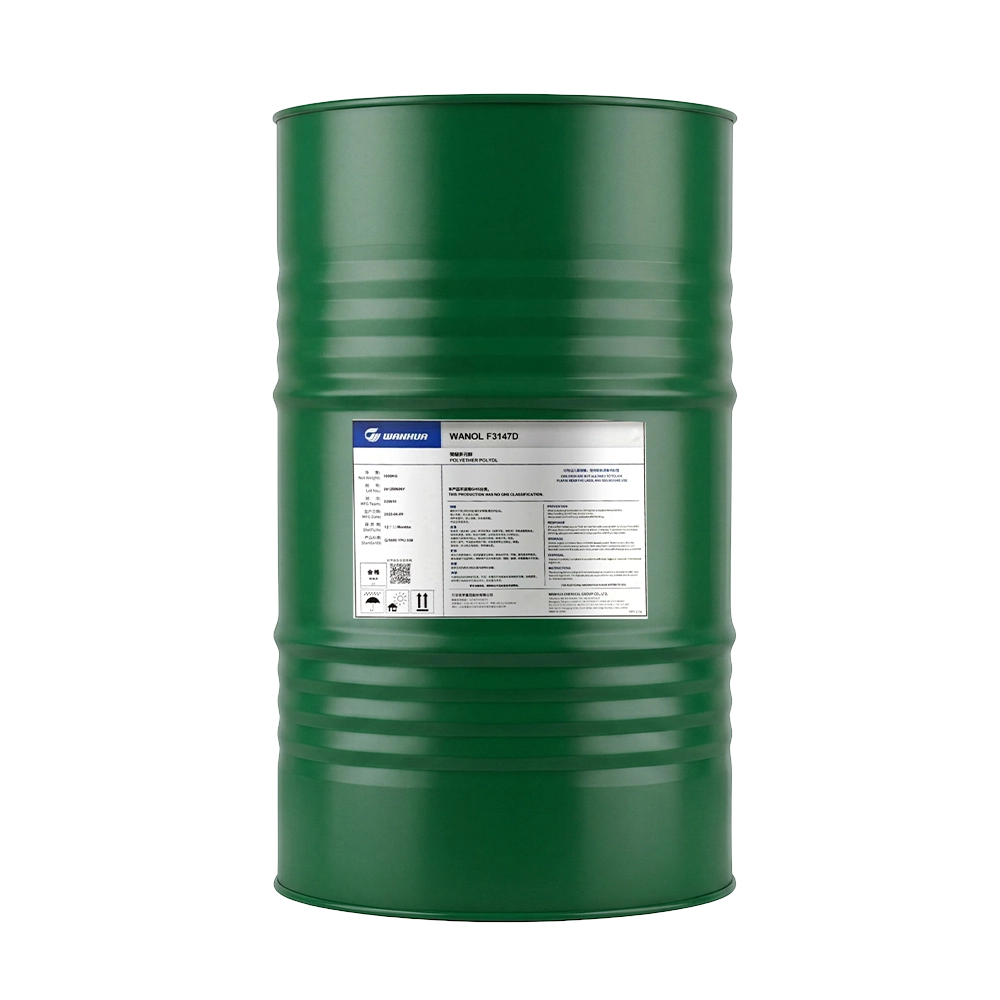
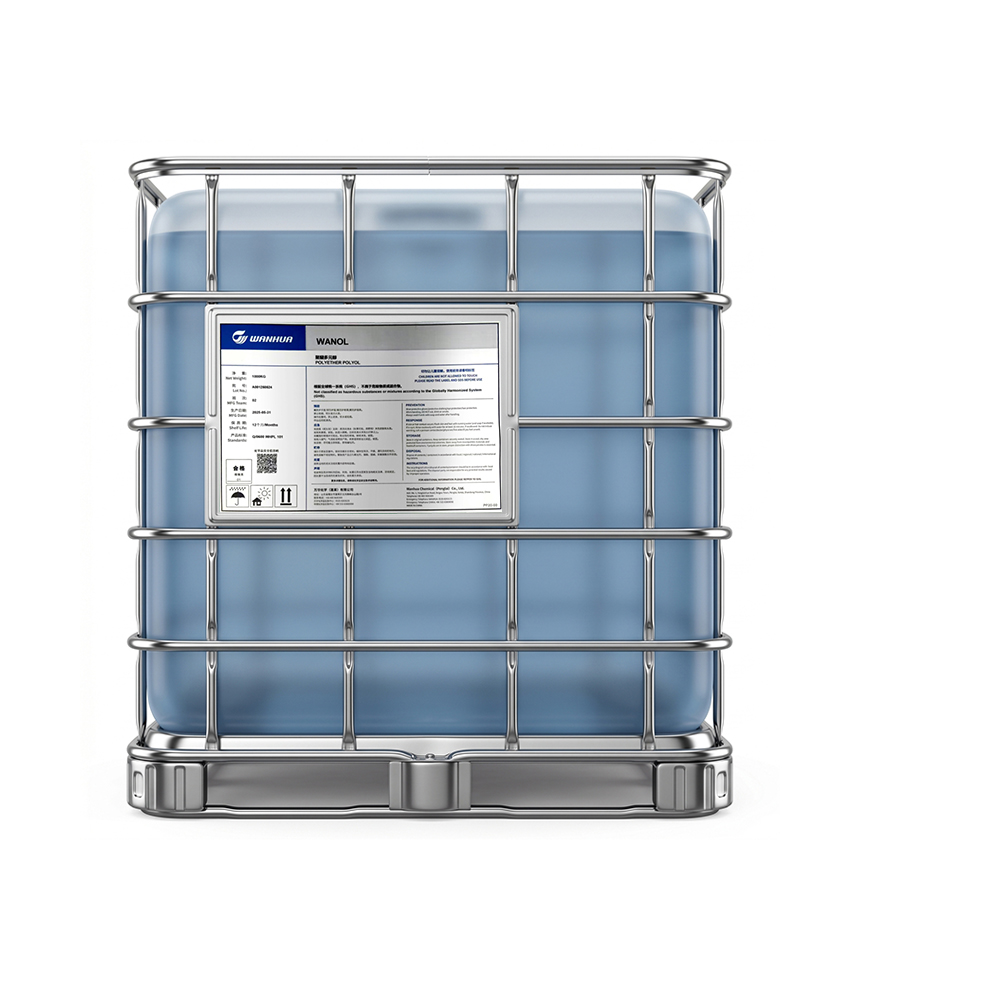



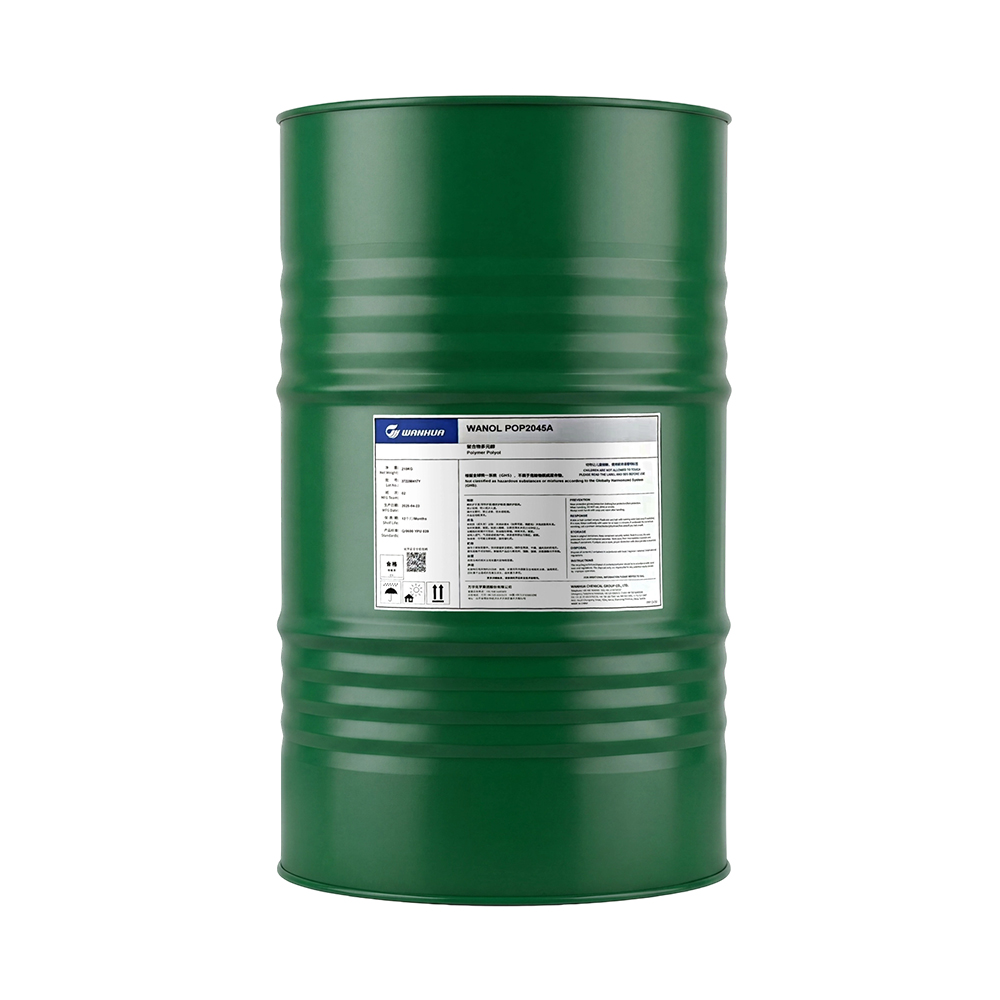
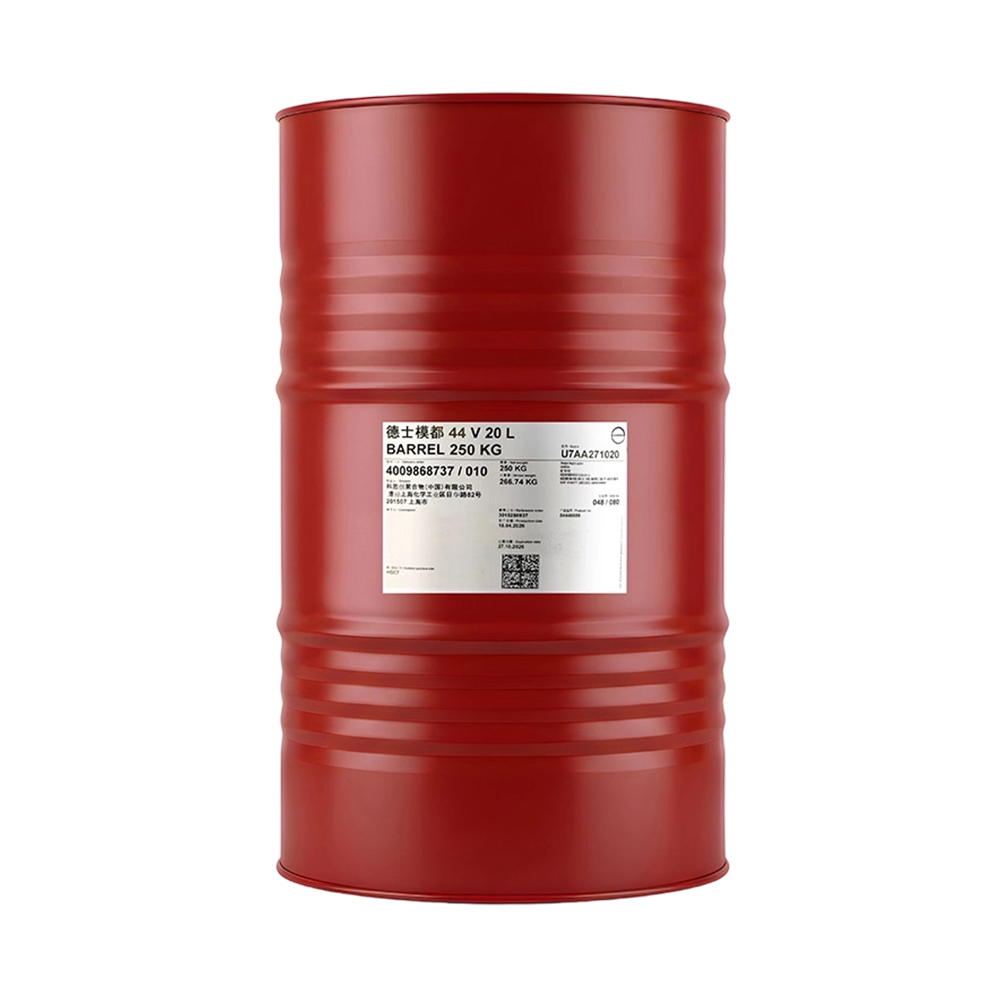
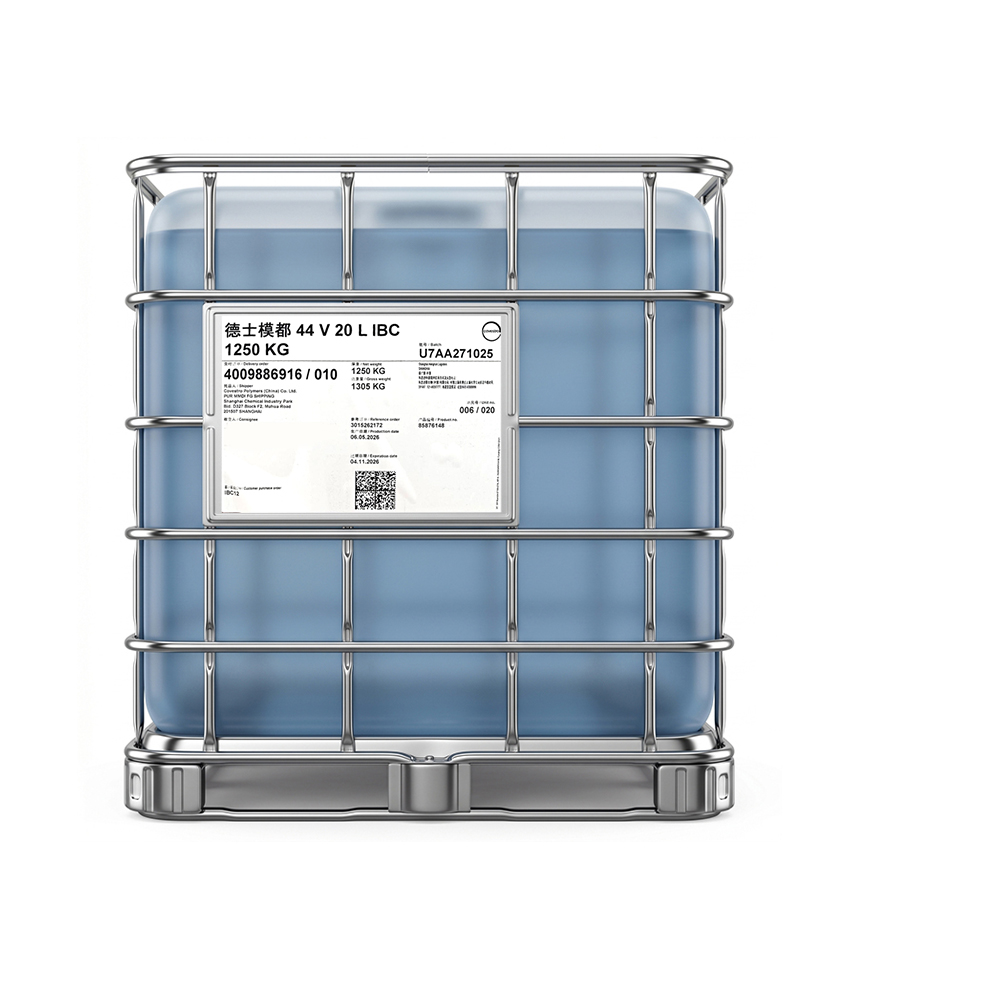
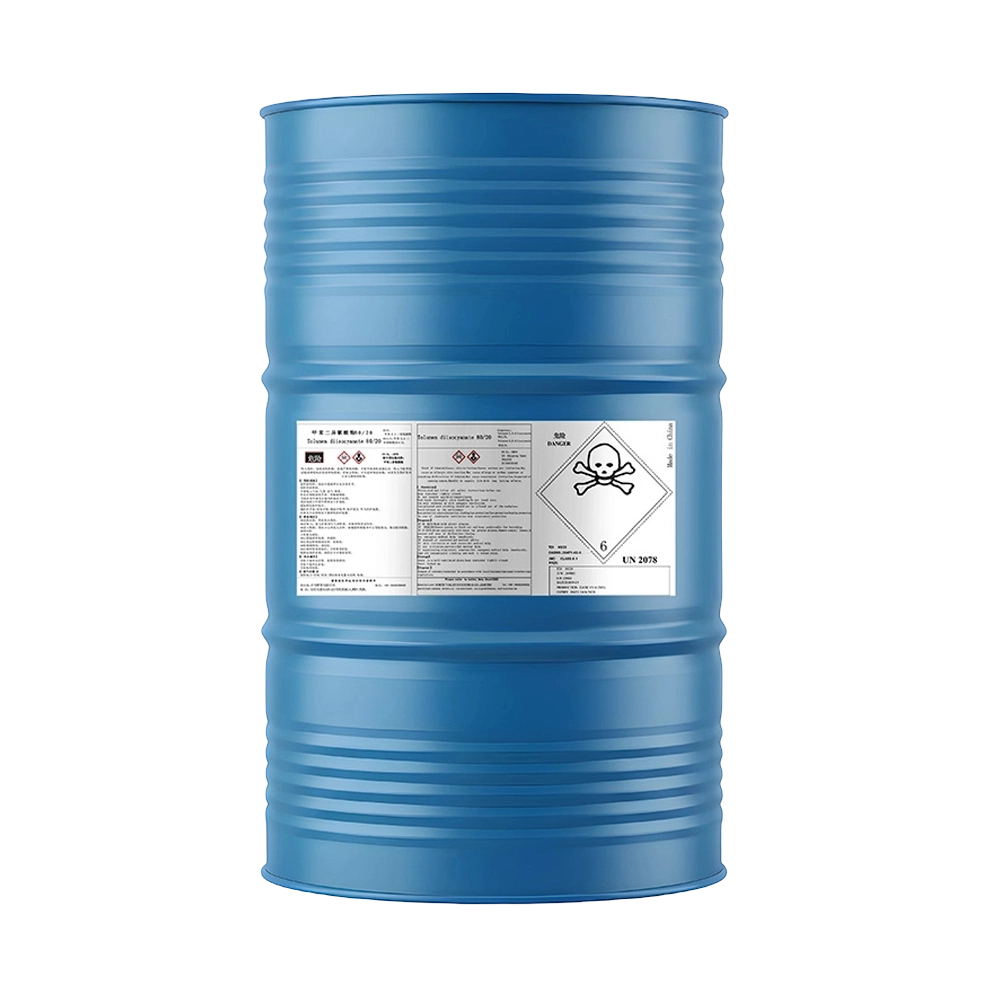
Understanding Polyether Polyol and Its Role in Polyurethane Manufacturing
Polyether polyol is one of the two core raw materials used to produce polyurethane, the other being isocyanate (such as TDI or MDI). Formed through the ring-opening polymerization of propylene oxide or ethylene oxide with a starter compound, polyether polyol determines the elasticity, density, and durability of the finished polyurethane product. It is widely used across flexible foam, rigid foam, coatings, adhesives, sealants, and elastomers, making it a fundamental building block for furniture, mattresses, automotive interiors, insulation panels, and footwear.
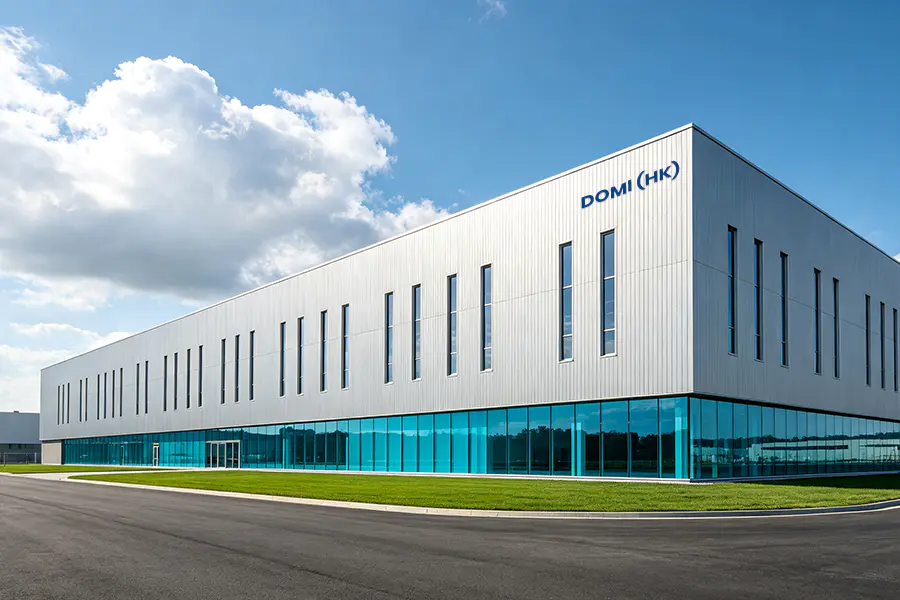
As global demand for polyurethane products grows, buyers increasingly look for a stable polyether polyol wholesale supplier that can guarantee consistent molecular weight distribution, low moisture content, and reliable batch-to-batch performance. DOMI (HK) INDUSTRIAL CO., LIMITED, headquartered in Hong Kong and established in 2022, serves this need as an official authorized distributor for world-class polyurethane manufacturers, including Covestro, Wanhua Chemical, Cangzhou Dahua, and Gansu Yinguang.
How Polyether Polyol Works in Foam and Elastomer Production
During polyurethane production, polyether polyol reacts with isocyanate in the presence of catalysts, surfactants, and blowing agents. The hydroxyl (-OH) groups on the polyol chain react with the isocyanate groups (-NCO) to form urethane linkages, while a controlled exothermic reaction generates the gas bubbles responsible for foam cell structure.
Key Reaction Factors
- Hydroxyl value: determines cross-link density and foam firmness
- Functionality: affects rigidity versus flexibility of the final product
- Water content: influences reaction speed and foam expansion rate
- Viscosity: impacts processing ease during mixing and molding
A trusted polyether polyol flexible foam supplier China pays close attention to these parameters, ensuring foam consistency for applications ranging from mattress cores to automotive seating.
Comparing Common Polyether Polyol Grades
Different grades of polyether polyol are formulated for specific end uses. The table below outlines typical property ranges commonly referenced in industry technical data sheets.
| Grade Type | Hydroxyl Value (mg KOH/g) | Typical Application |
|---|---|---|
| Low hydroxyl flexible grade | 28–35 | Soft flexible foam, mattresses |
| Standard flexible grade | 45–60 | Furniture cushioning, seating |
| High functionality grade | 400–470 | Rigid foam, insulation panels |
Choosing a Dependable Raw Material Supplier in China
China remains a major global production hub for polyurethane raw materials, and sourcing from an experienced polyether polyol raw material supplier China can significantly reduce procurement risk. Buyers should evaluate suppliers based on the following criteria:
- Authorized distribution relationships with recognized manufacturers
- Consistent annual sales volume and warehousing capacity
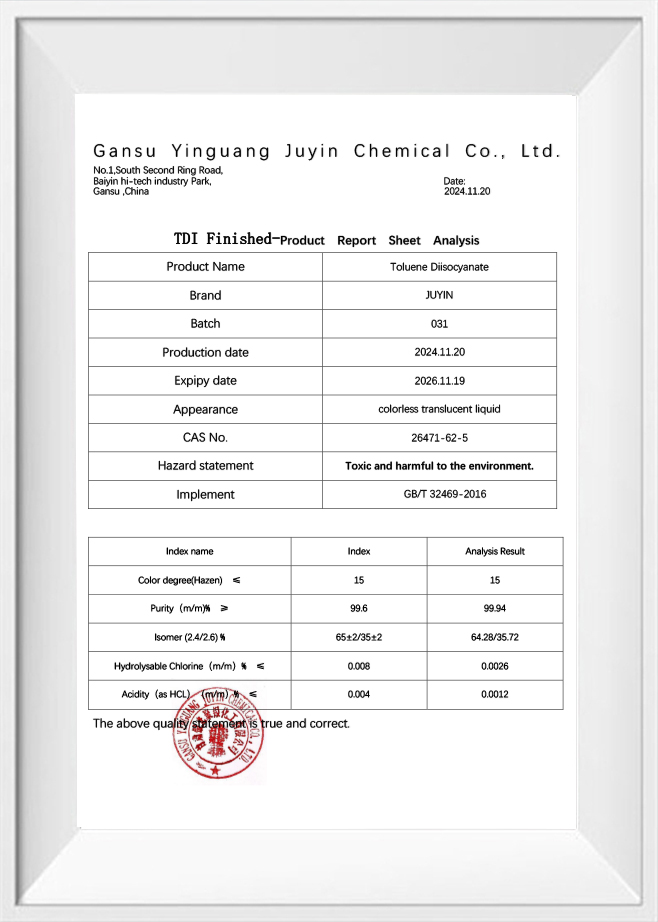
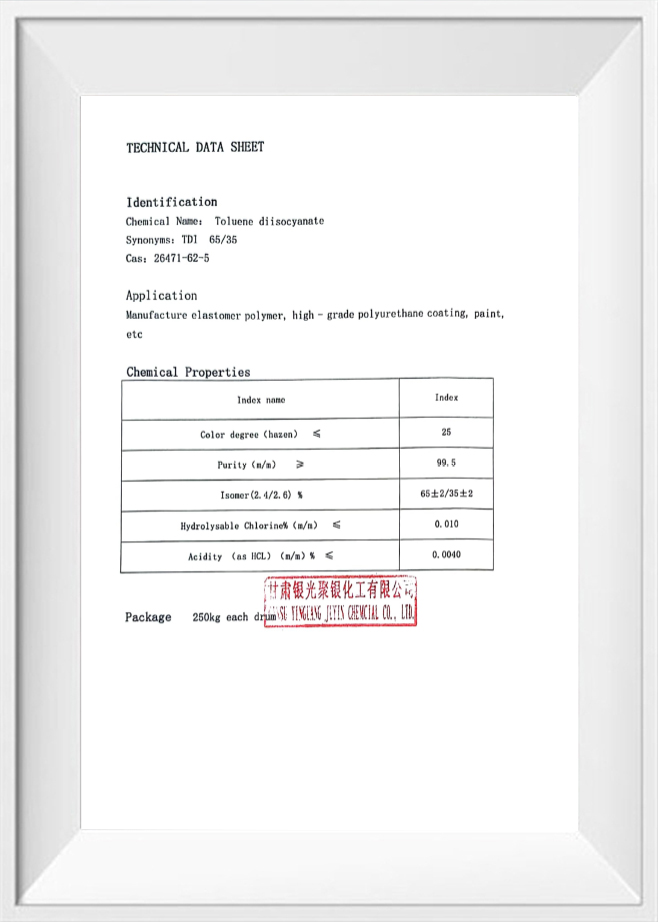
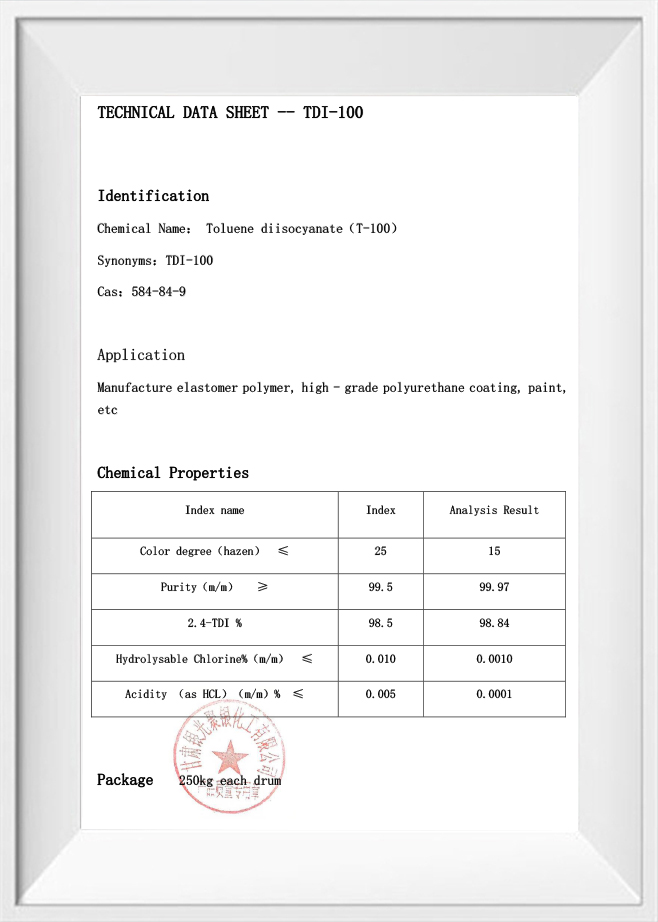
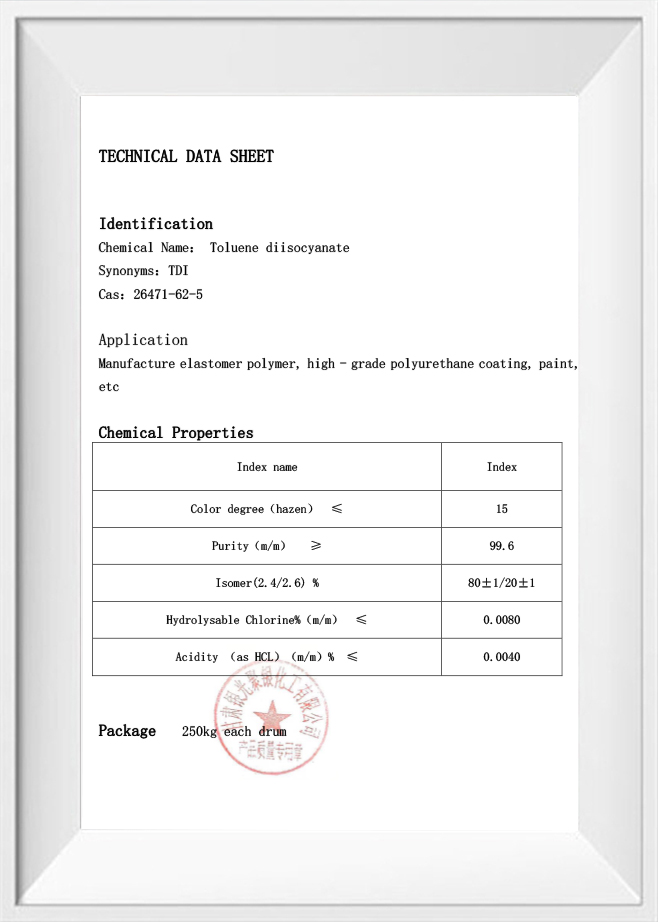
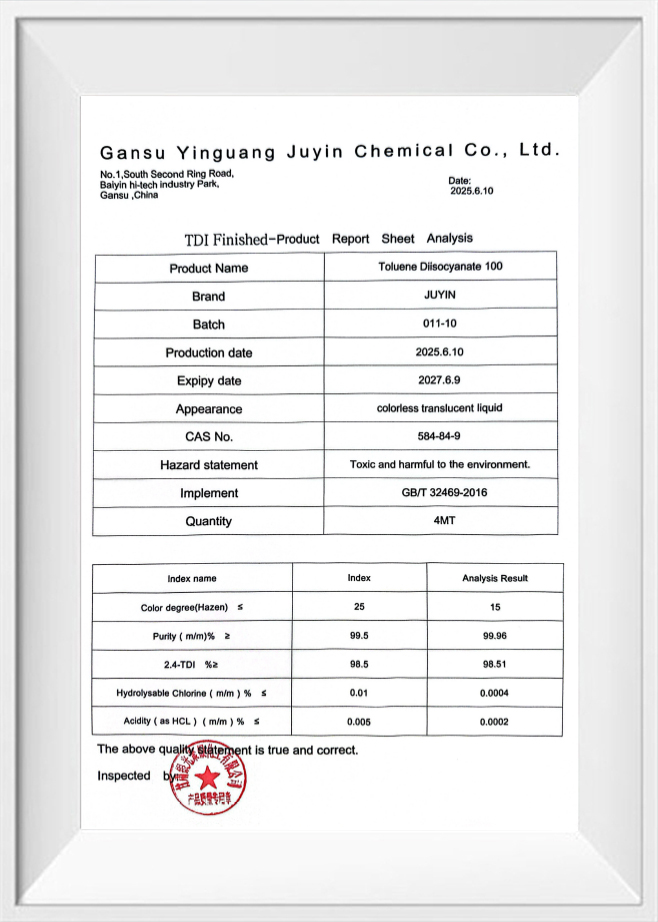
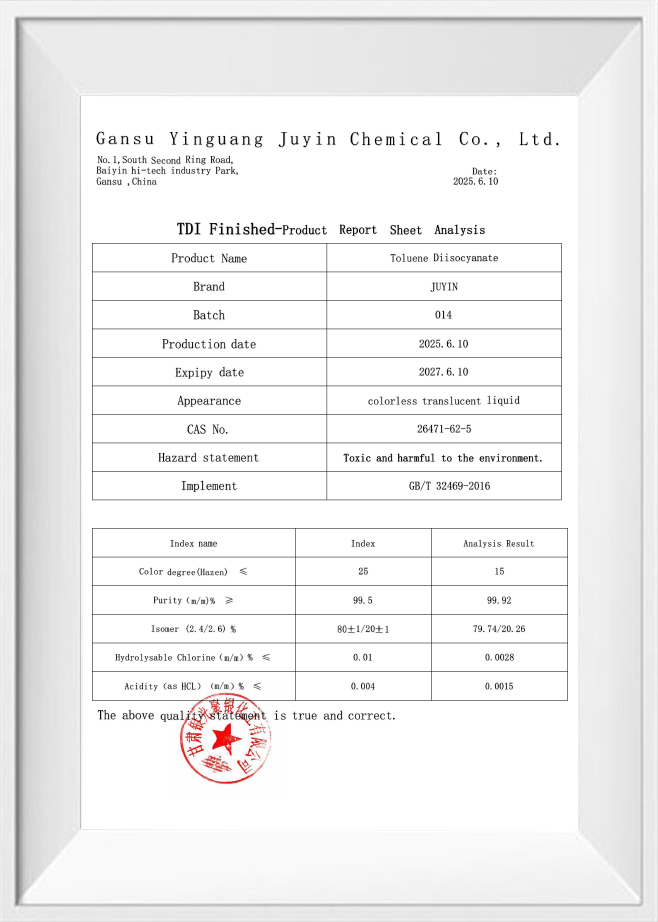
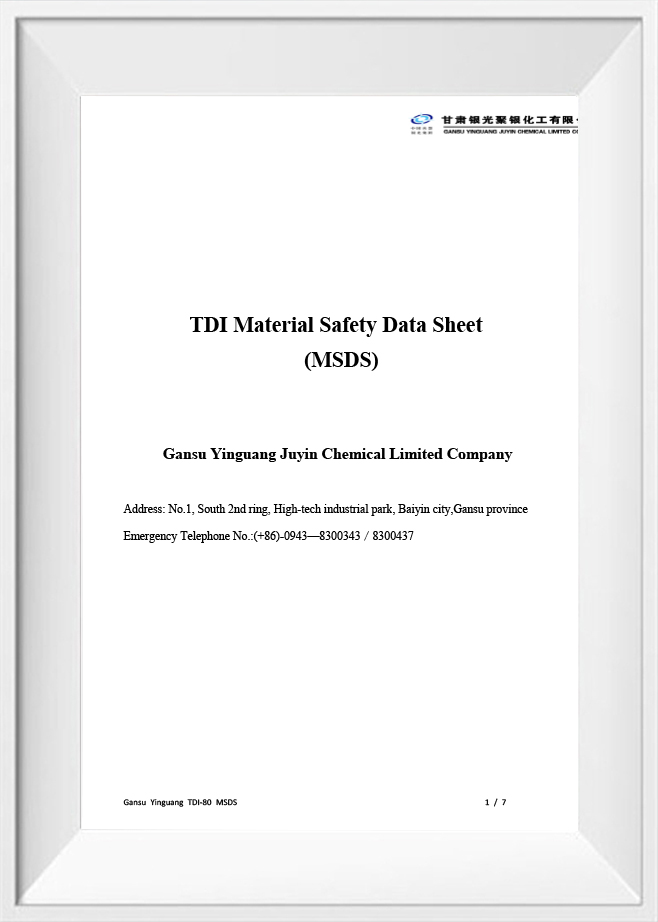
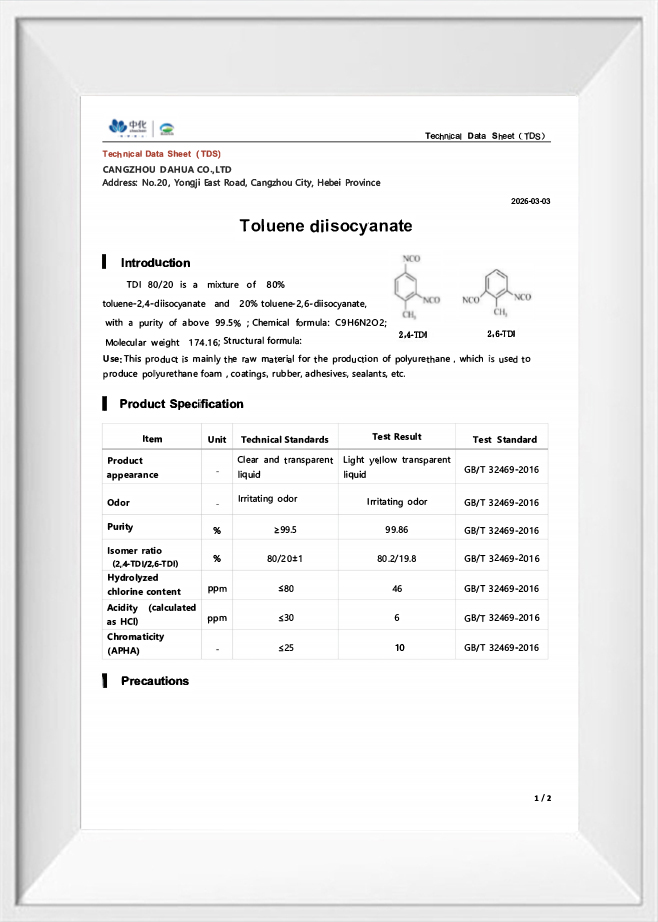
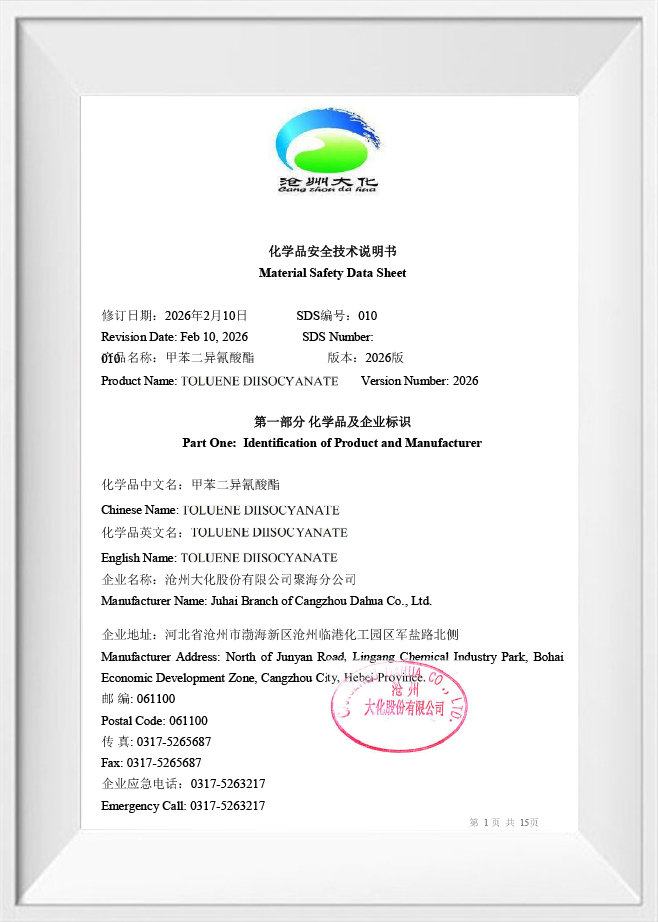
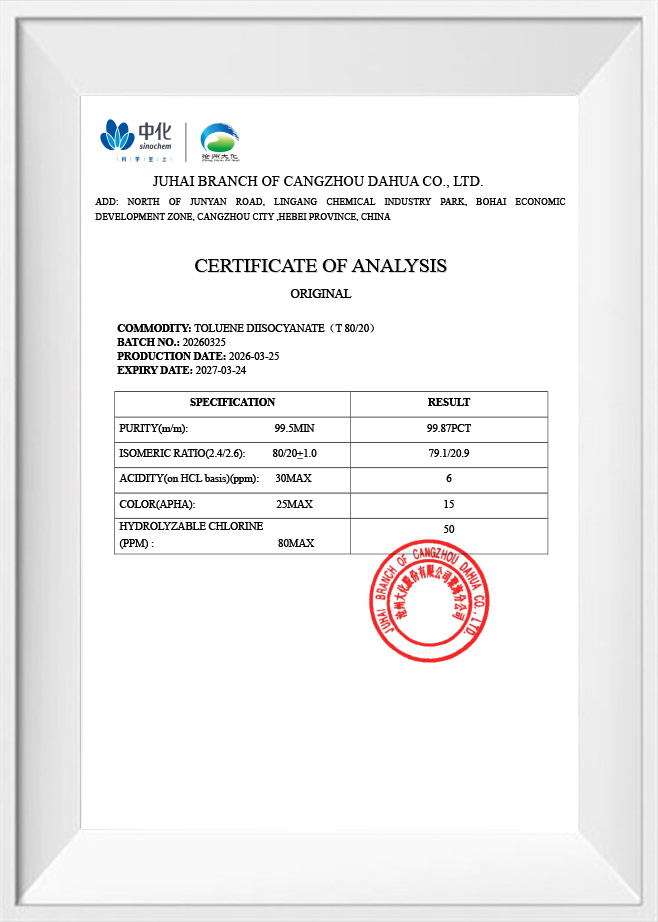
- Complete documentation support, including MSDS, TDS, and COA
- Flexible sea and land transportation options for international delivery
DOMI (HK) INDUSTRIAL CO., LIMITED reports annual sales exceeding 50,000 metric tons and serves customers across more than 30 countries and regions, positioning it as a reliable polyurethane chemical wholesale supplier China businesses can depend on for TDI, Polymeric MDI, Polyether Polyol, and Polymer Polyol (POP).
Frequently Asked Questions
Q1: What is the shelf life of polyether polyol?
When stored in sealed containers away from moisture and direct sunlight, polyether polyol typically maintains stable quality for around six to twelve months, though exact shelf life varies by grade and storage conditions.
Q2: Can polyether polyol be customized for specific foam density?
Yes. By adjusting hydroxyl value, functionality, and formulation ratios, suppliers can tailor polyether polyol to achieve targeted foam density, firmness, and resilience for different end applications.
Q3: What is the difference between polyether polyol and polyester polyol?
Polyether polyol generally offers better hydrolysis resistance and lower cost, making it common in flexible foam, while polyester polyol typically provides higher mechanical strength, often used in coatings and elastomers.
Q4: How is bulk polyether polyol usually shipped internationally?
Bulk polyether polyol is commonly shipped in ISO tanks or drums via sea freight, supported by land transportation for last-mile delivery, allowing wholesale suppliers to serve overseas customers efficiently.