


 English
 Français
 Español



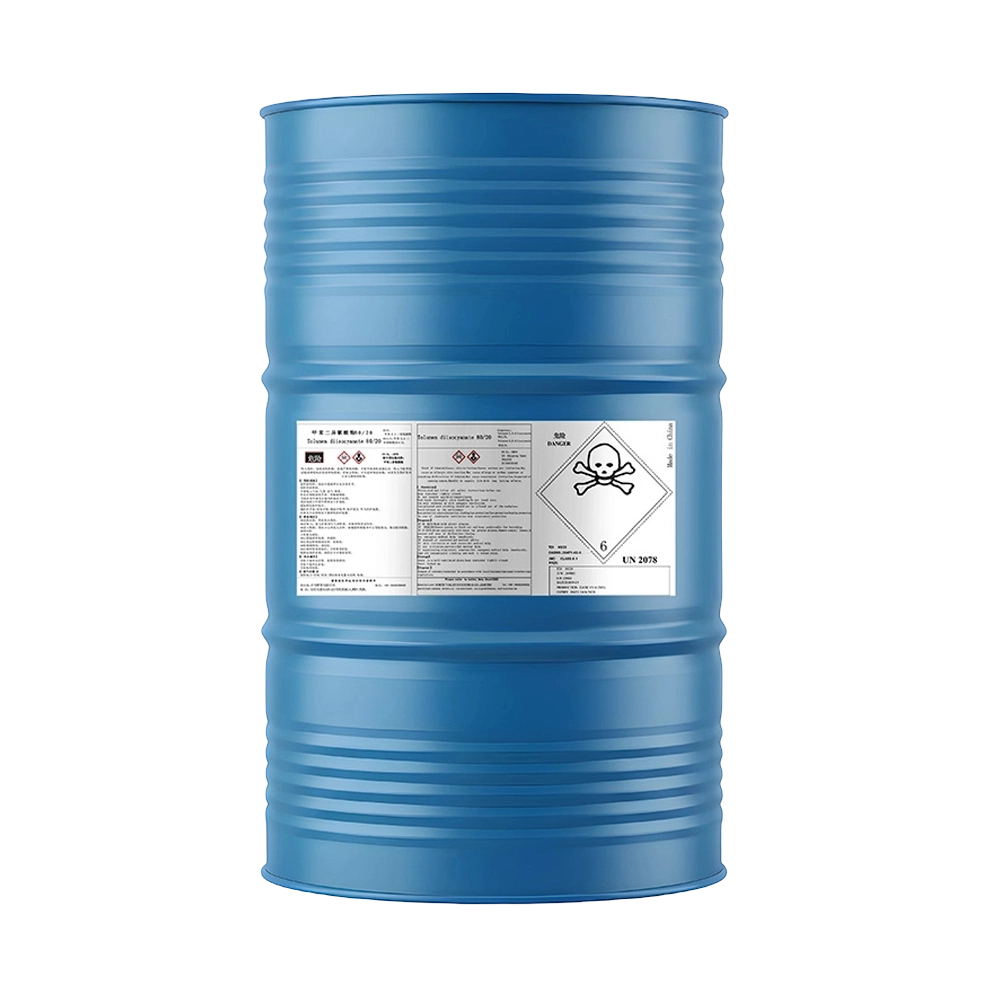
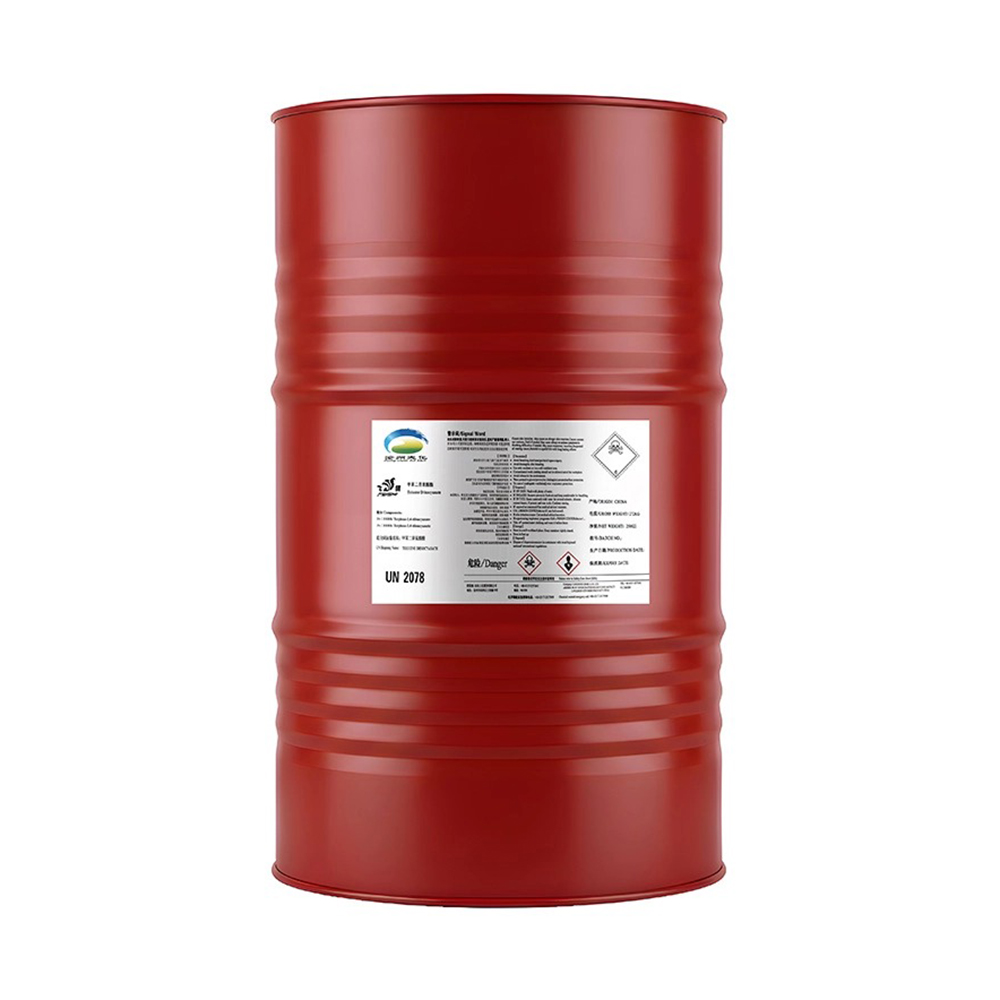
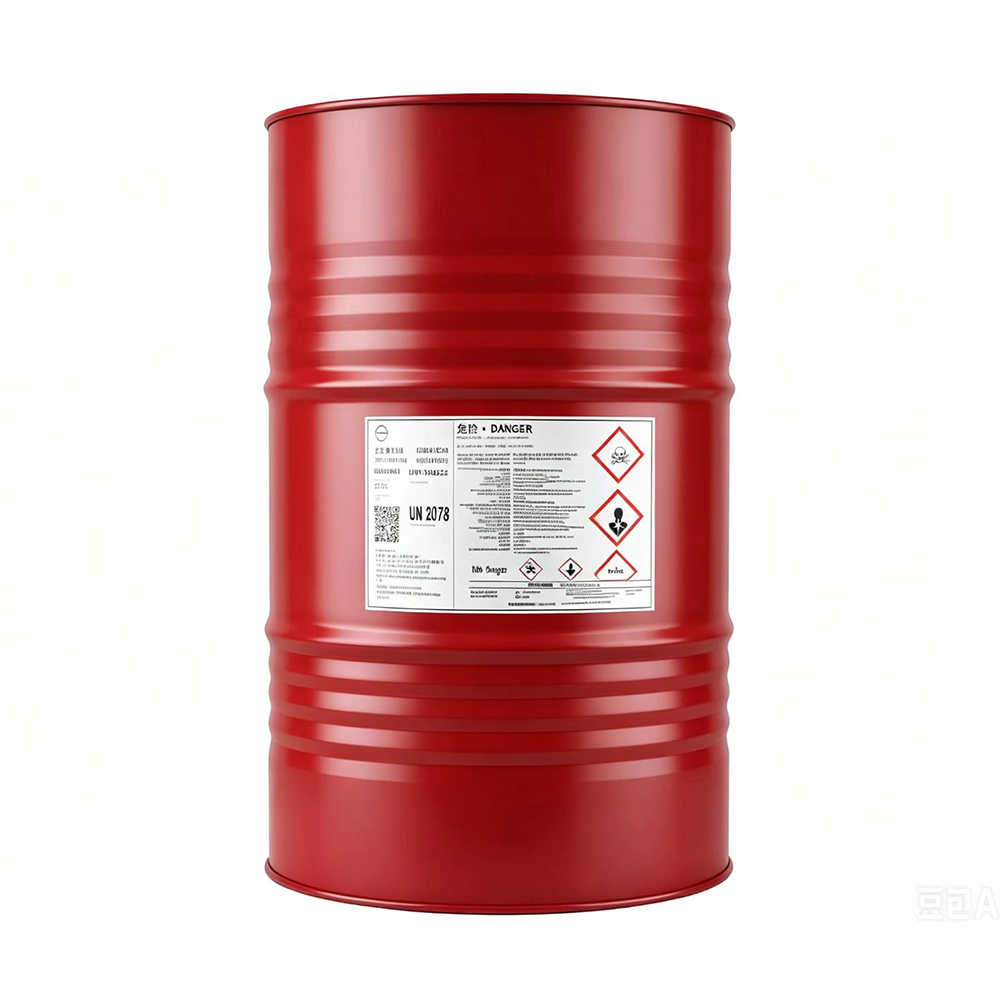
Understanding Methylene Diphenyl Diisocyanate
Methylene diphenyl diisocyanate (MDI) is one of the two core isocyanates used in polyurethane manufacturing, valued for its high reactivity, low vapor pressure, and versatility across rigid and semi-rigid applications. Unlike TDI, MDI is available in several forms — monomeric, polymeric, and modified — allowing formulators to target specific density, strength, and thermal performance requirements.
Among these, polymeric MDI is the most widely consumed grade in industrial applications, prized for its higher functionality, which produces a more cross-linked and rigid polymer network. This makes it the material of choice for insulation panels, spray foam, and structural composite parts where mechanical strength and heat resistance are essential.
How Methylene Diphenyl Diisocyanate Works in Polyurethane Systems
Reaction Chemistry
MDI's -NCO groups react with polyol hydroxyl groups in a polyaddition reaction that forms rigid urethane linkages. Because polymeric MDI contains a distribution of molecules with more than two functional groups, the resulting polymer network is more densely cross-linked than a TDI-based system, giving rigid foam its characteristic dimensional stability and compressive strength.
Key Performance Metrics
- NCO content typically between 30% and 32% for standard polymeric MDI grades
- Functionality averaging around 2.7, enabling higher cross-link density
- Low vapor pressure, reducing workplace exposure risk compared to TDI
Where a Polymeric MDI Supplier Adds the Most Value
Buyers searching for a polymeric methylene diphenyl diisocyanate supplier China market can rely on generally prioritize three things: consistent functionality across batches, packaging suited to bulk industrial use, and responsive technical support. The table below outlines typical MDI applications and the properties each depends on.
| Application | Property Required | Benefit |
|---|---|---|
| Rigid insulation panels | High cross-link density | Low thermal conductivity |
| Spray foam | Fast reactivity | Quick on-site curing |
| Adhesives and coatings | Controlled viscosity | Smooth application and bonding strength |
DOMI (HK) INDUSTRIAL: Direct Access to a Trusted Polyurethane Factory China Network
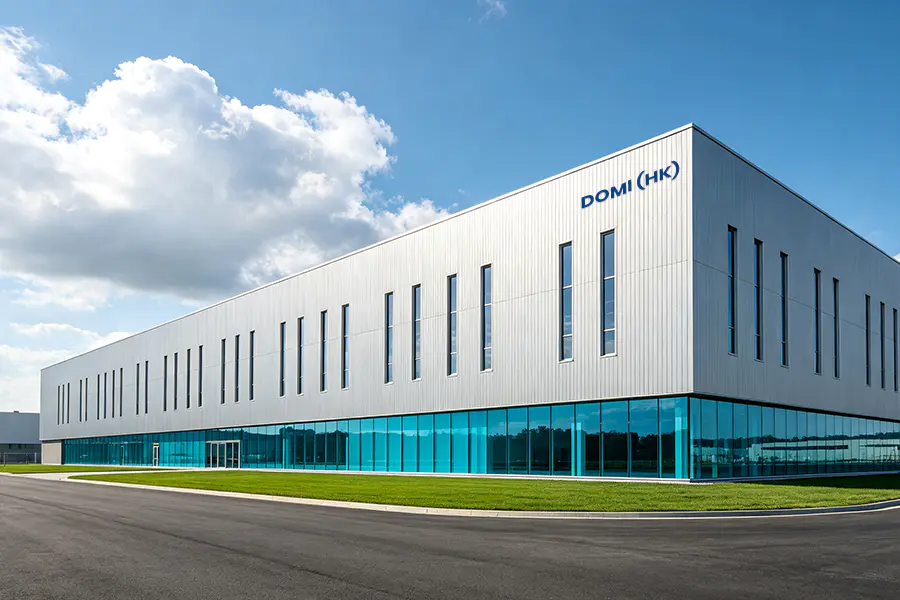
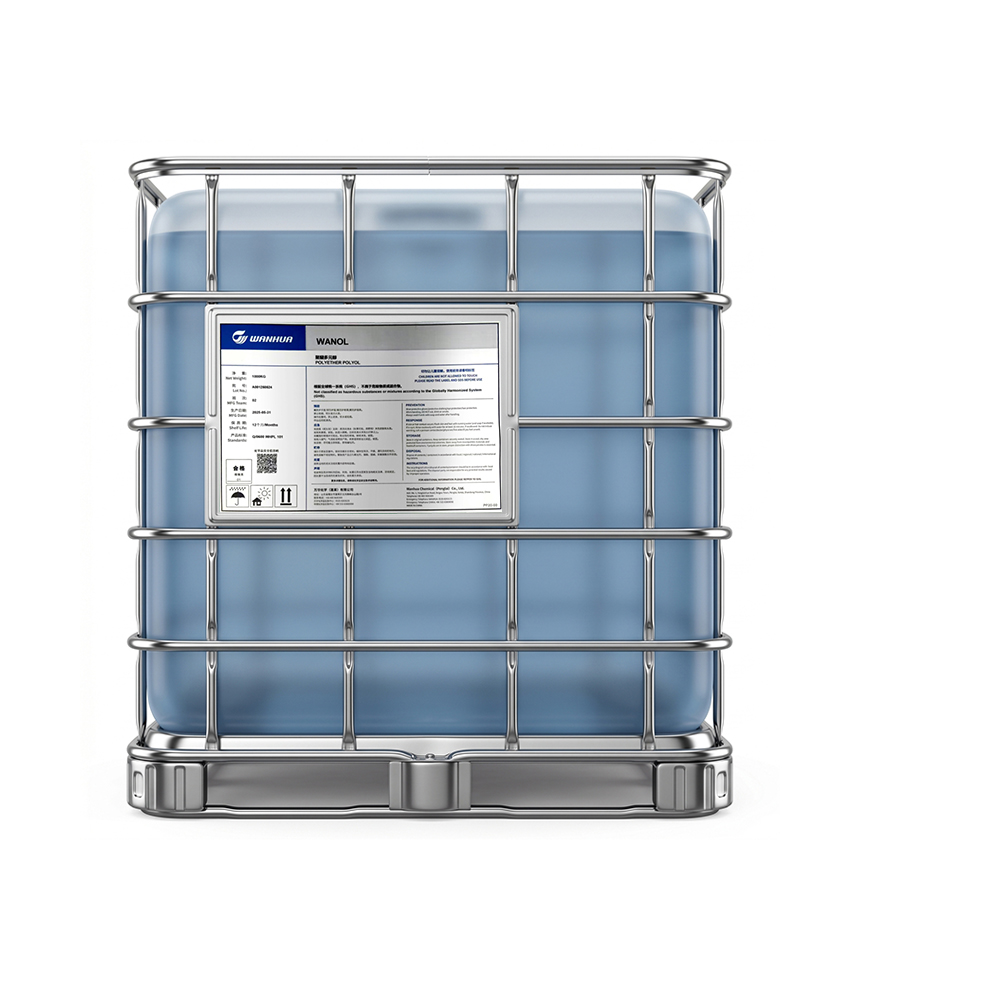
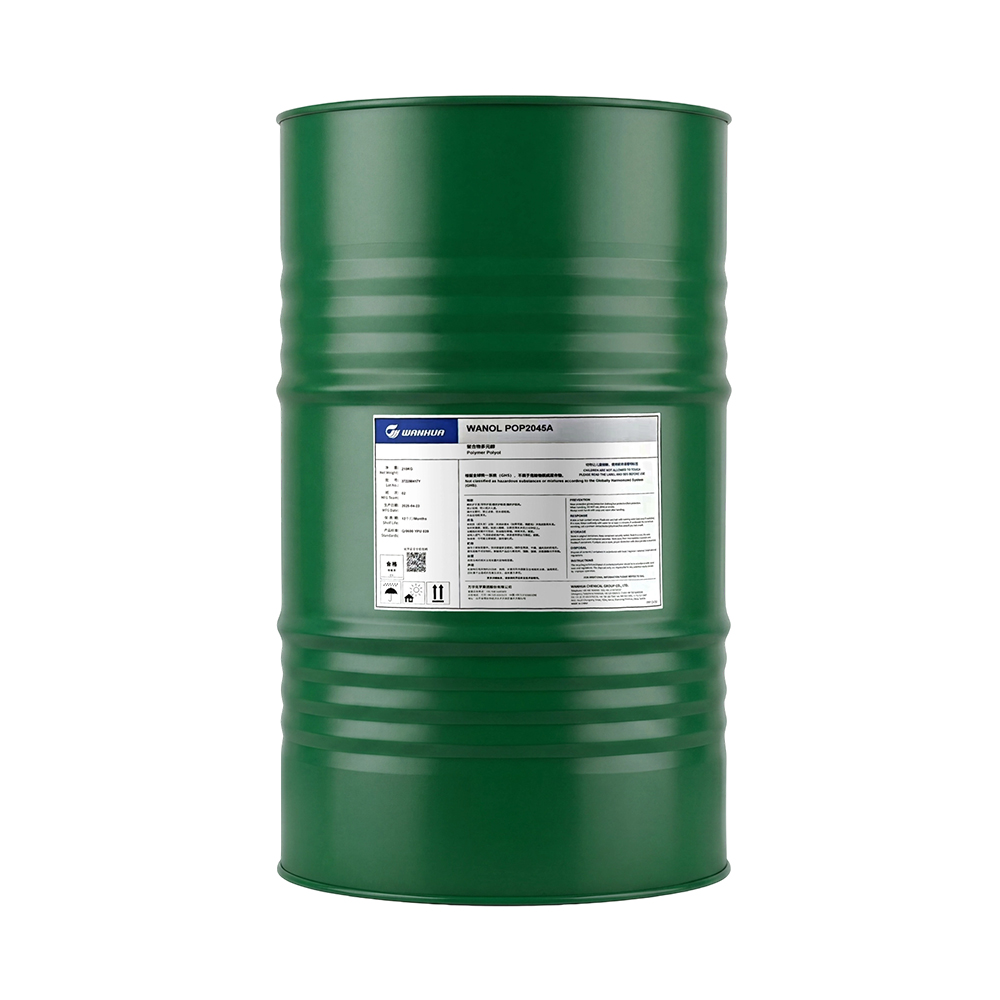
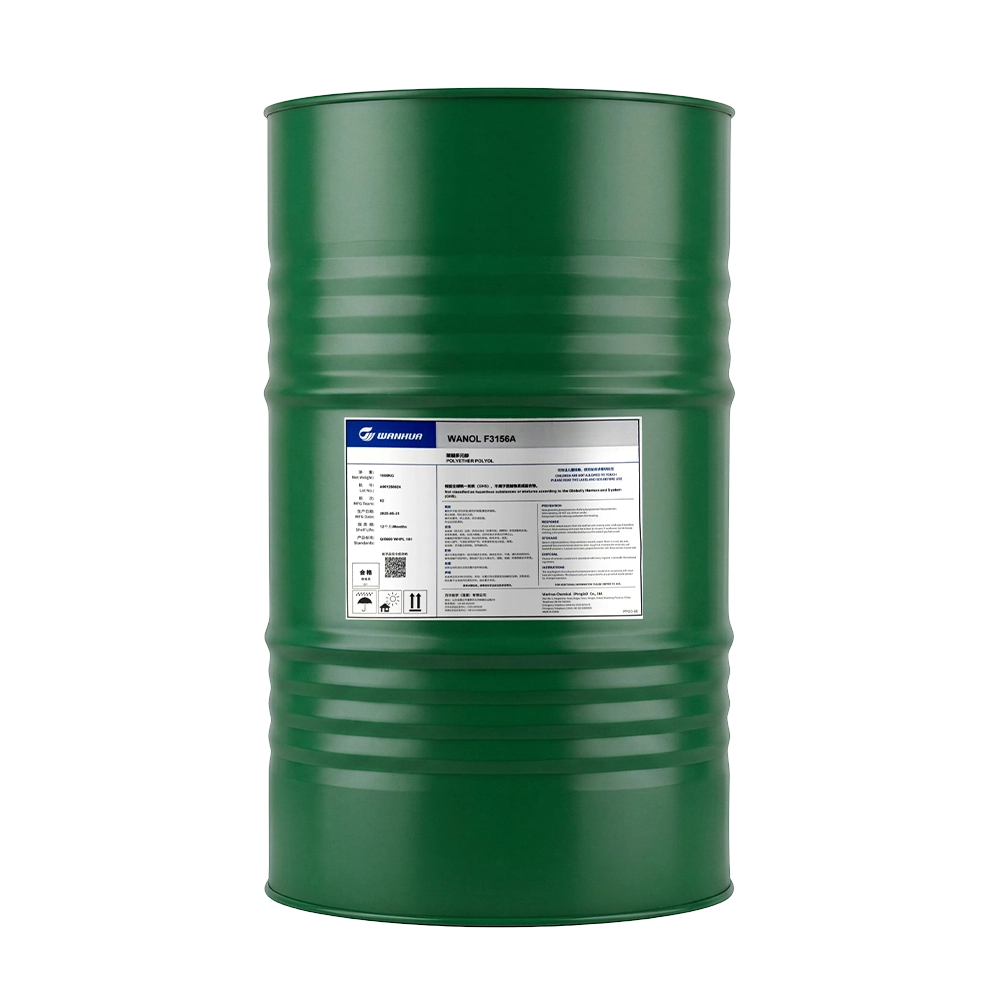
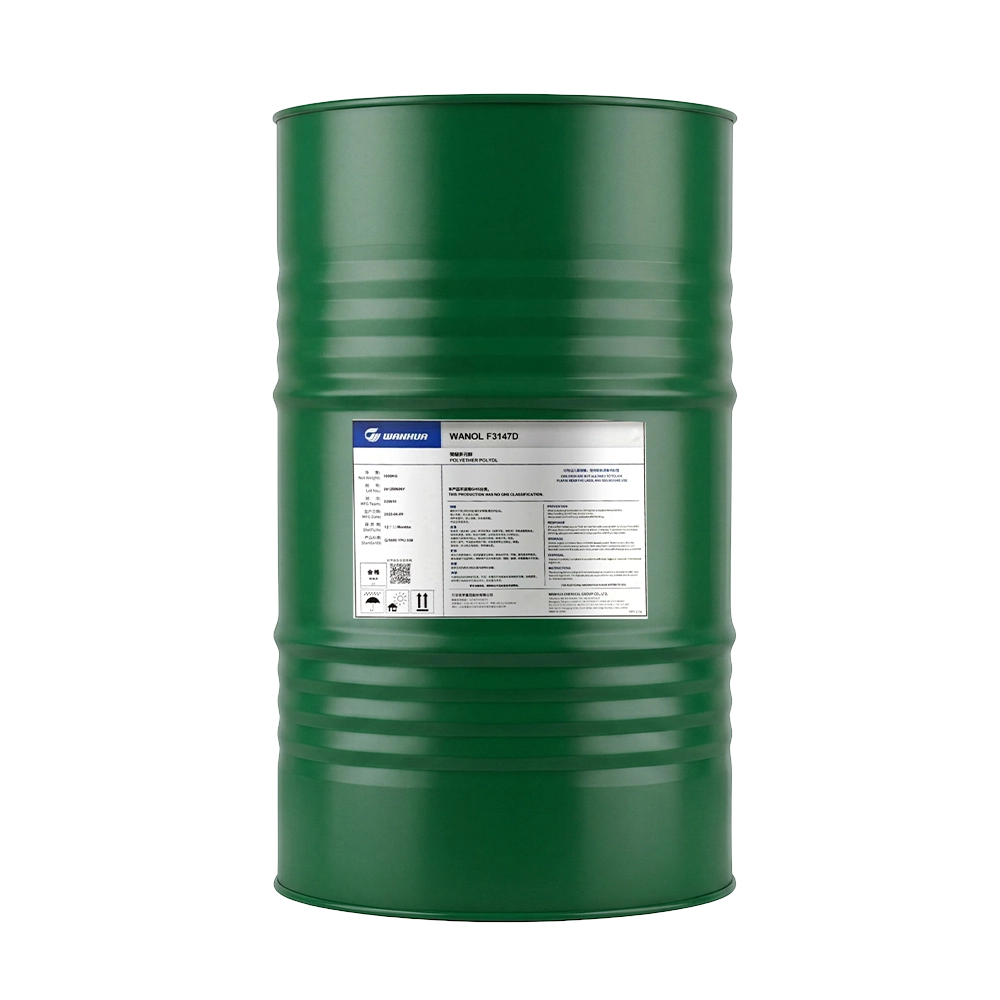
DOMI (HK) INDUSTRIAL CO., LIMITED is an official authorized distributor for world-class polyurethane manufacturers, including Covestro, Wanhua Chemical, and Cangzhou Dahua, connecting buyers directly to a methylene diphenyl diisocyanate polyurethane factory China production base without unnecessary intermediaries. As a polymeric methylene diphenyl diisocyanate chemical factory China partner network, DOMI supports customers with annual sales exceeding 50,000 metric tons and a customer base across more than 30 countries and regions.
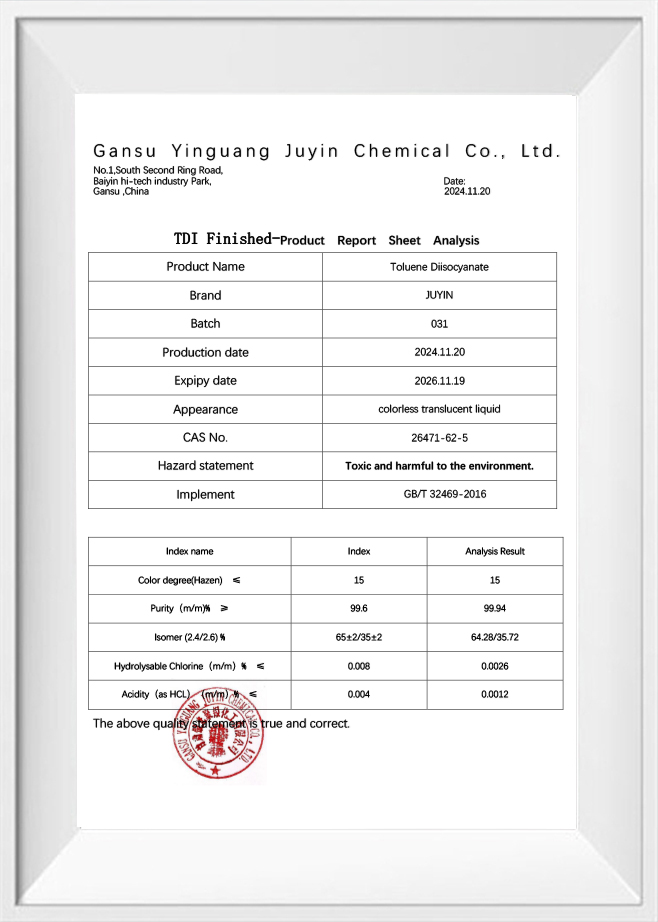
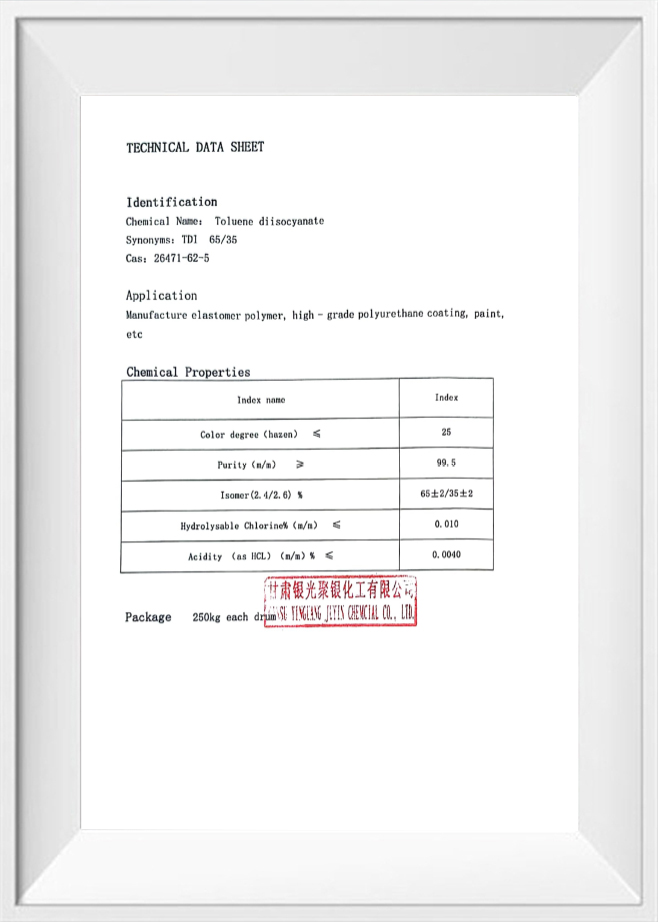
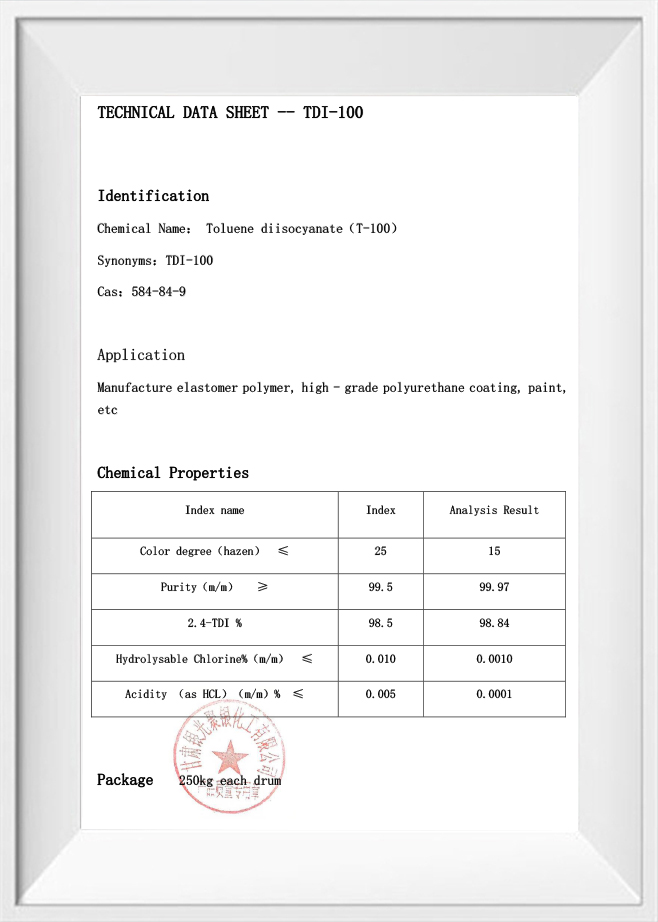
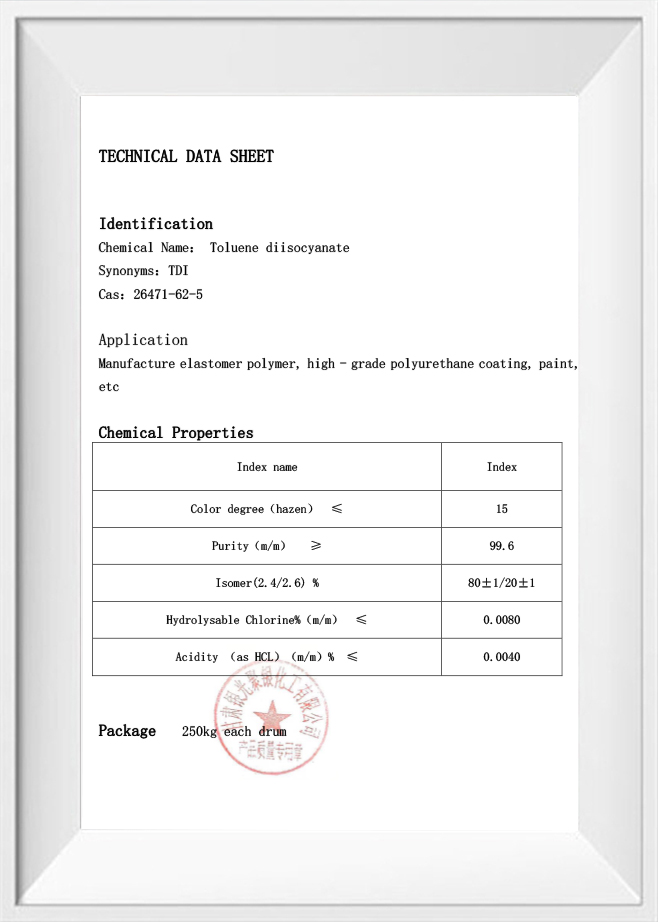
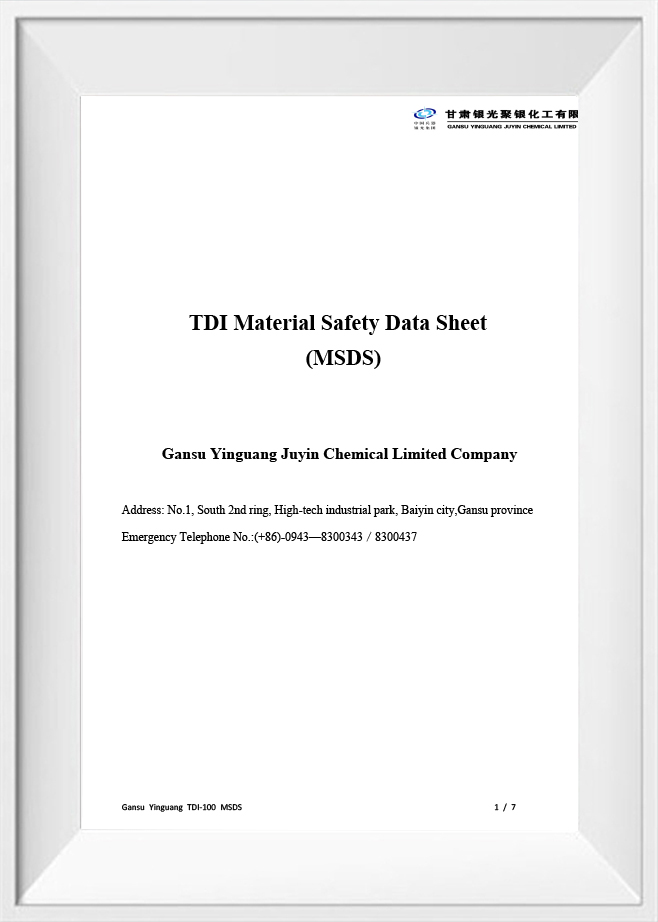
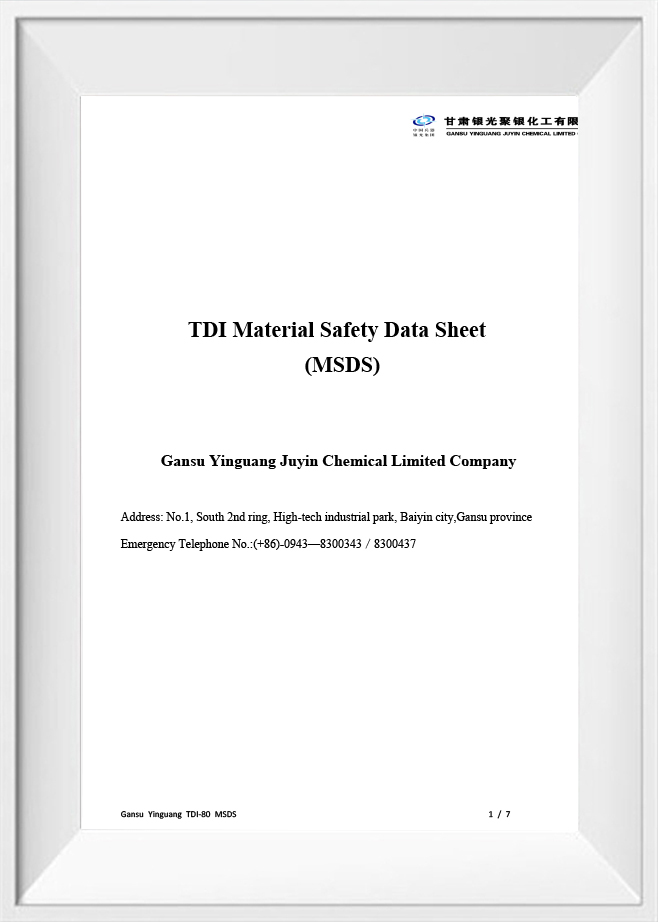
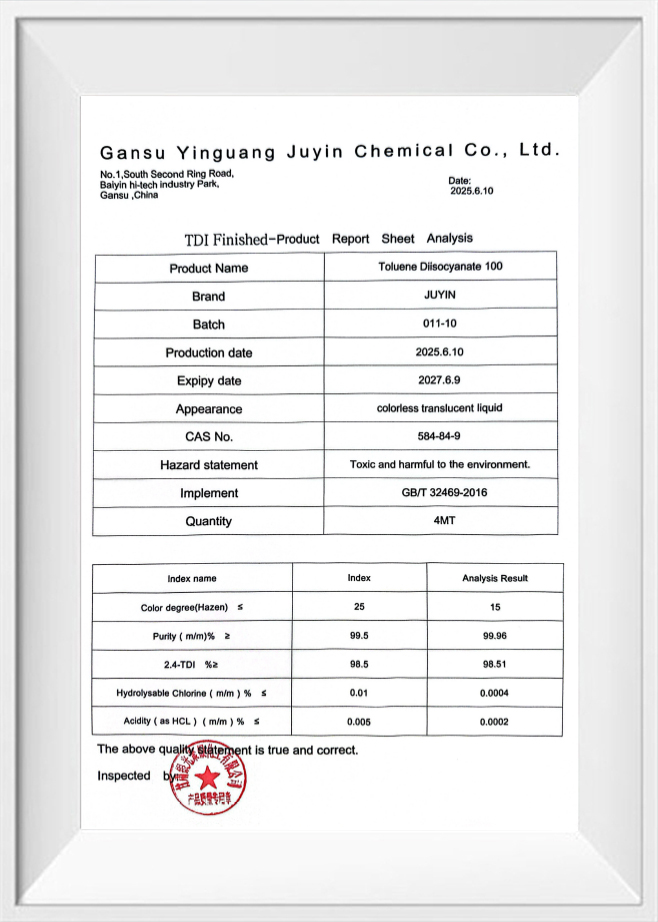
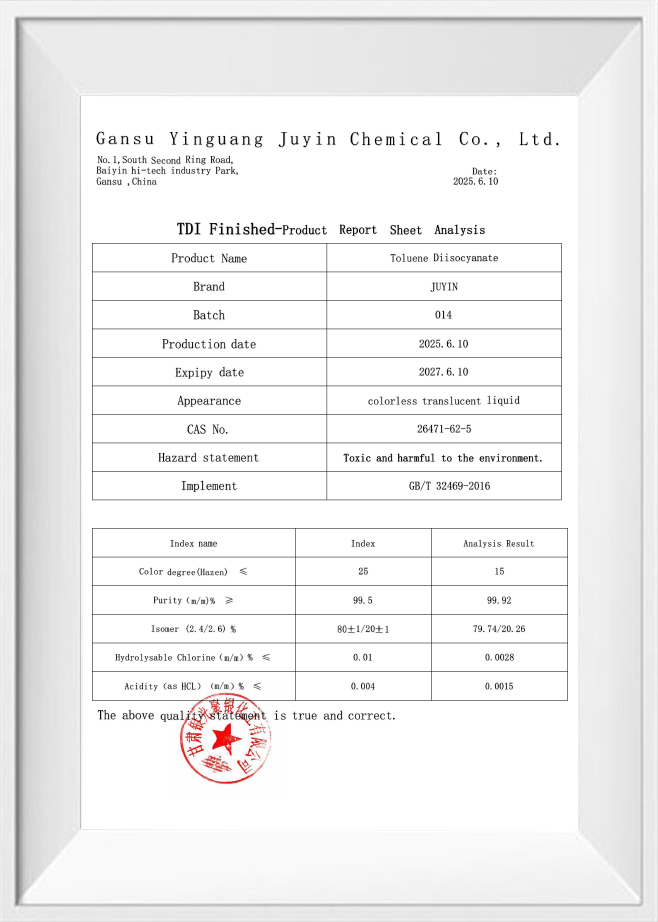
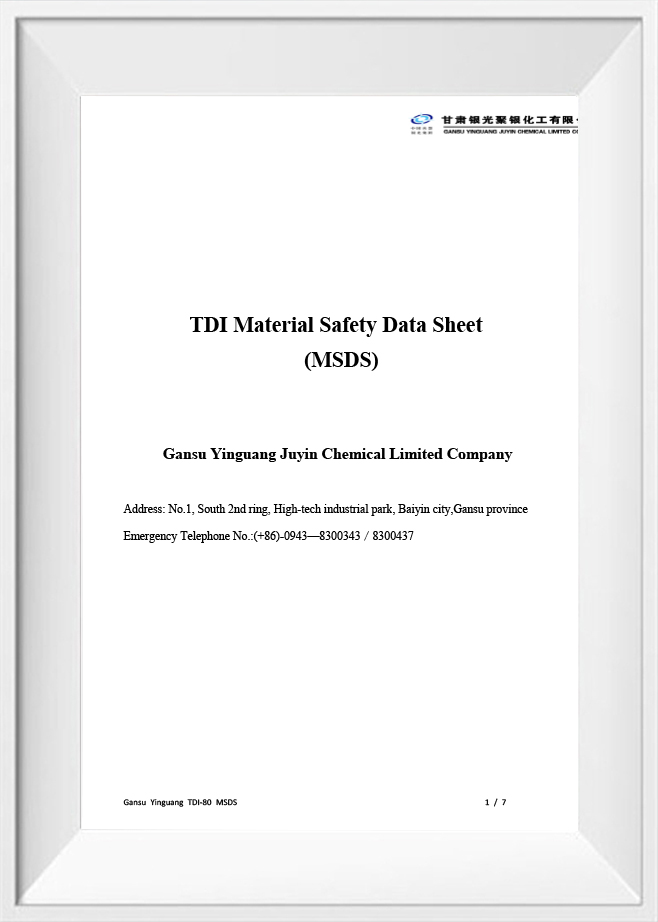
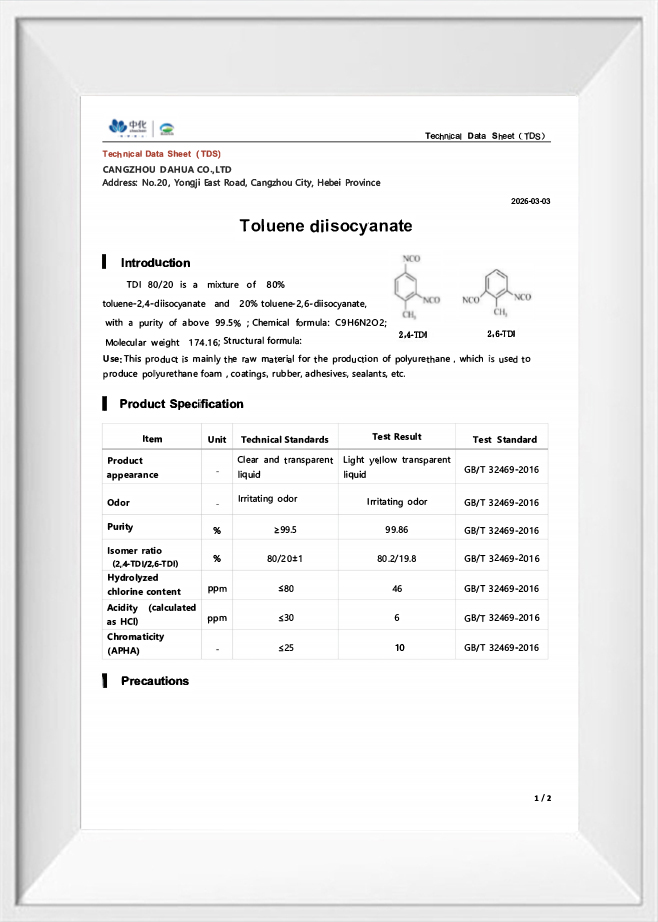
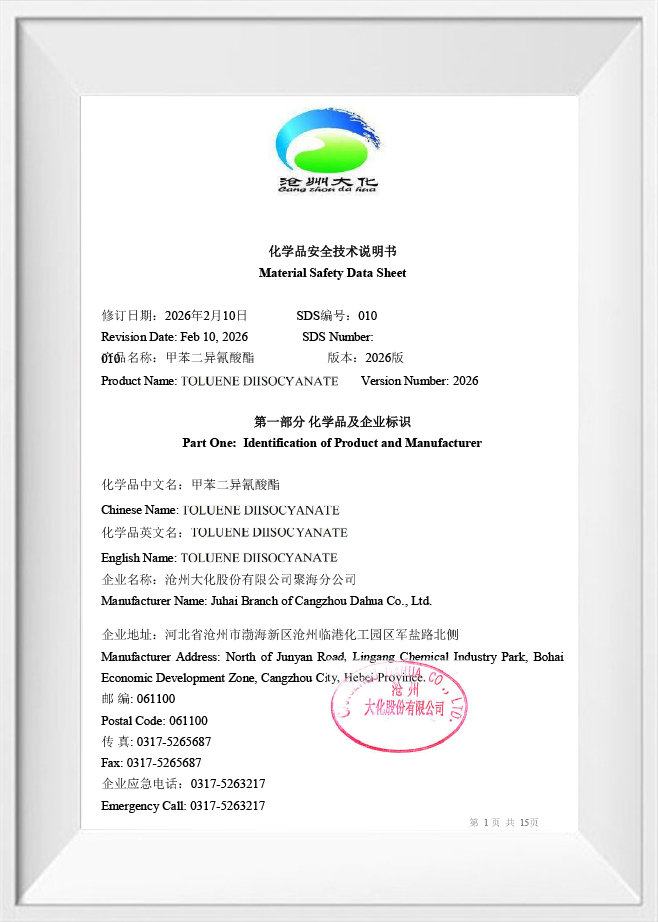
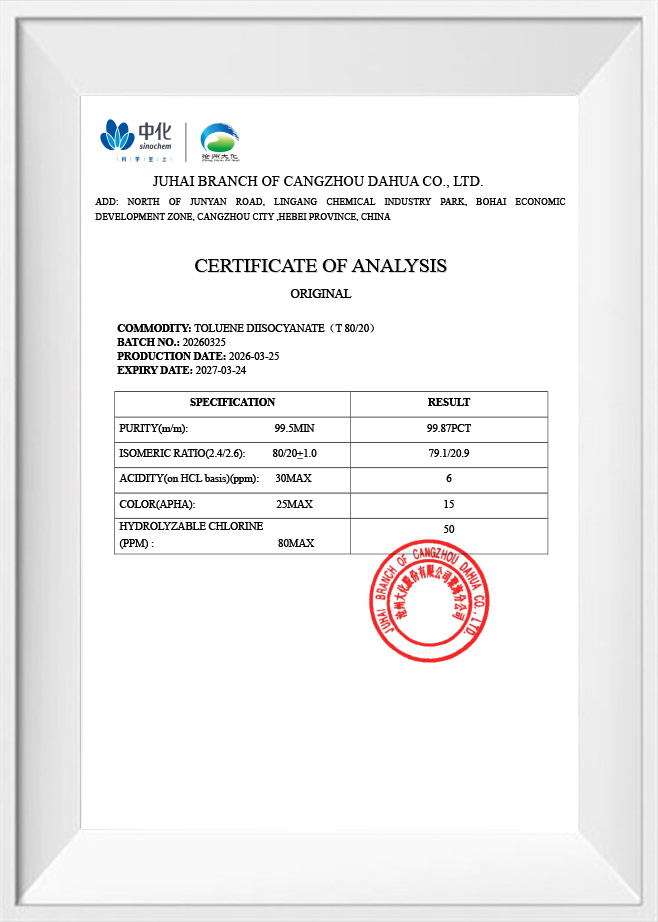
As a reliable methylene diphenyl diisocyanate raw material supplier China buyers can depend on, and a recognized polymeric methylene diphenyl diisocyanate chemical supplier China partner, DOMI backs every order with full documentation, including MSDS, TDS, and COA, plus flexible sea and land transportation to streamline procurement.
- Authorized factory access ensures consistent NCO content and functionality across batches.
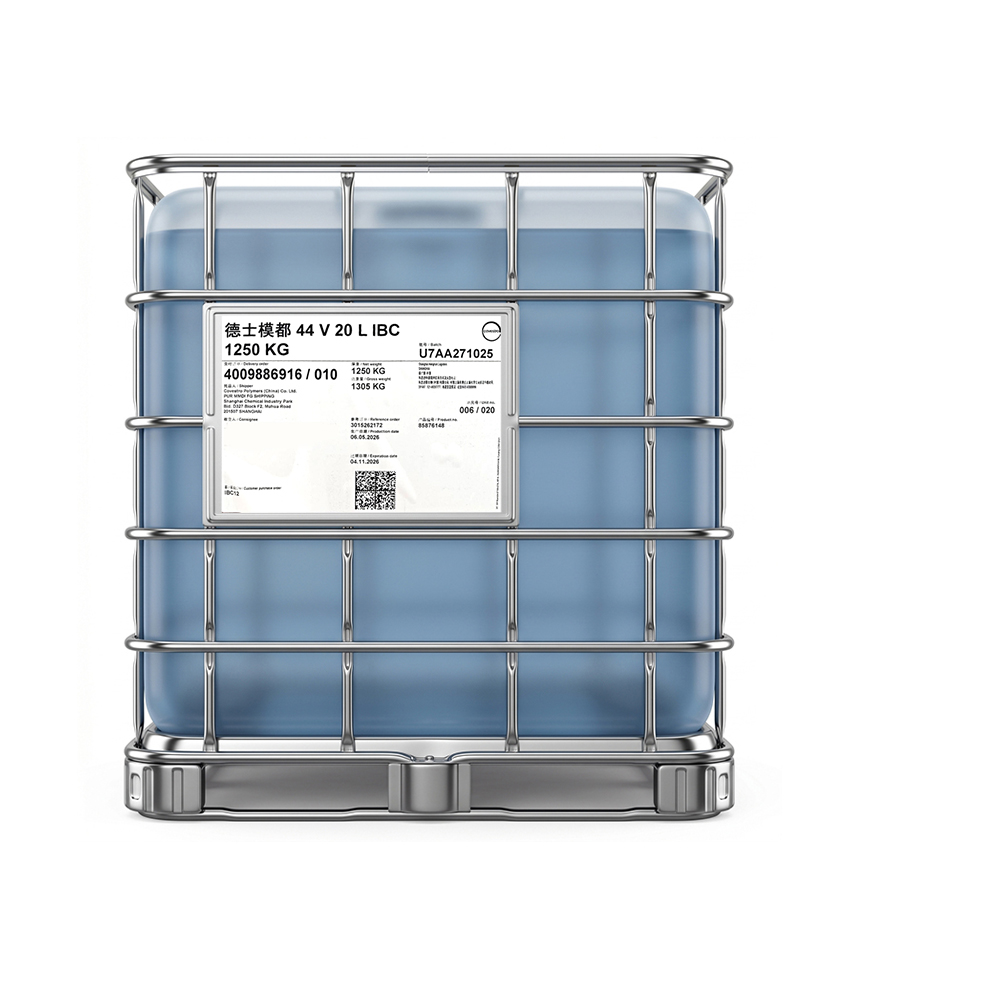
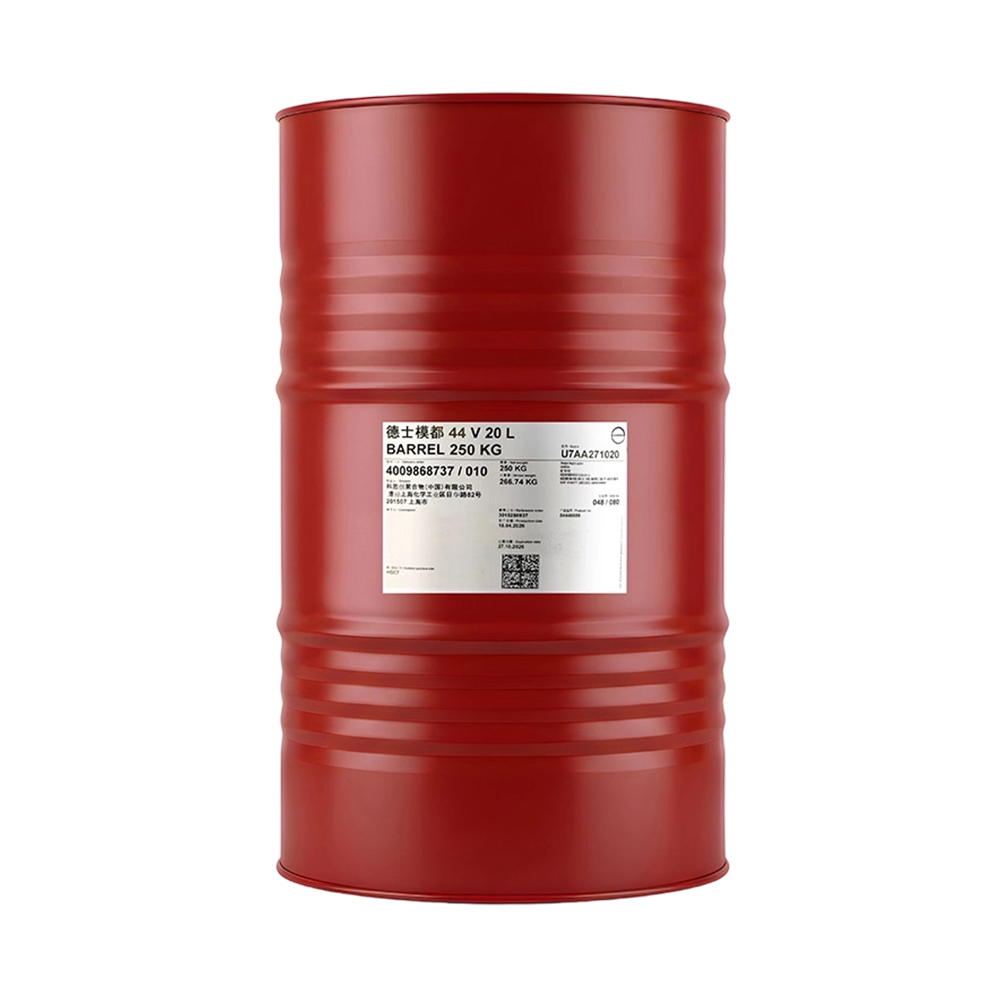
- Bulk and drum packaging options accommodate different order volumes.
- Technical documentation simplifies customs clearance and quality verification for overseas buyers.
Frequently Asked Questions
Q1: What is the difference between polymeric MDI and monomeric MDI?
Polymeric MDI contains a mixture of molecules with more than two isocyanate groups, giving it higher functionality and making it suited for rigid foam, while monomeric MDI has a simpler two-functional structure often used in elastomers and coatings.
Q2: How should MDI be stored to maintain quality?
MDI should be kept in sealed containers under dry, nitrogen-blanketed conditions where possible, since exposure to moisture triggers reaction with the -NCO groups and can cause crystallization or viscosity increase over time.
Q3: Why does functionality consistency matter when sourcing MDI?
Variations in average functionality between batches can change cross-link density, affecting foam rigidity and dimensional stability, so working with an authorized factory-linked distributor helps maintain predictable processing results.
Q4: What documents should accompany an MDI shipment?
Each shipment should include an MSDS for safe handling procedures, a TDS outlining technical specifications, and a COA confirming the batch meets agreed quality parameters before release.