Understanding Polyether Polyol IBC Packaging
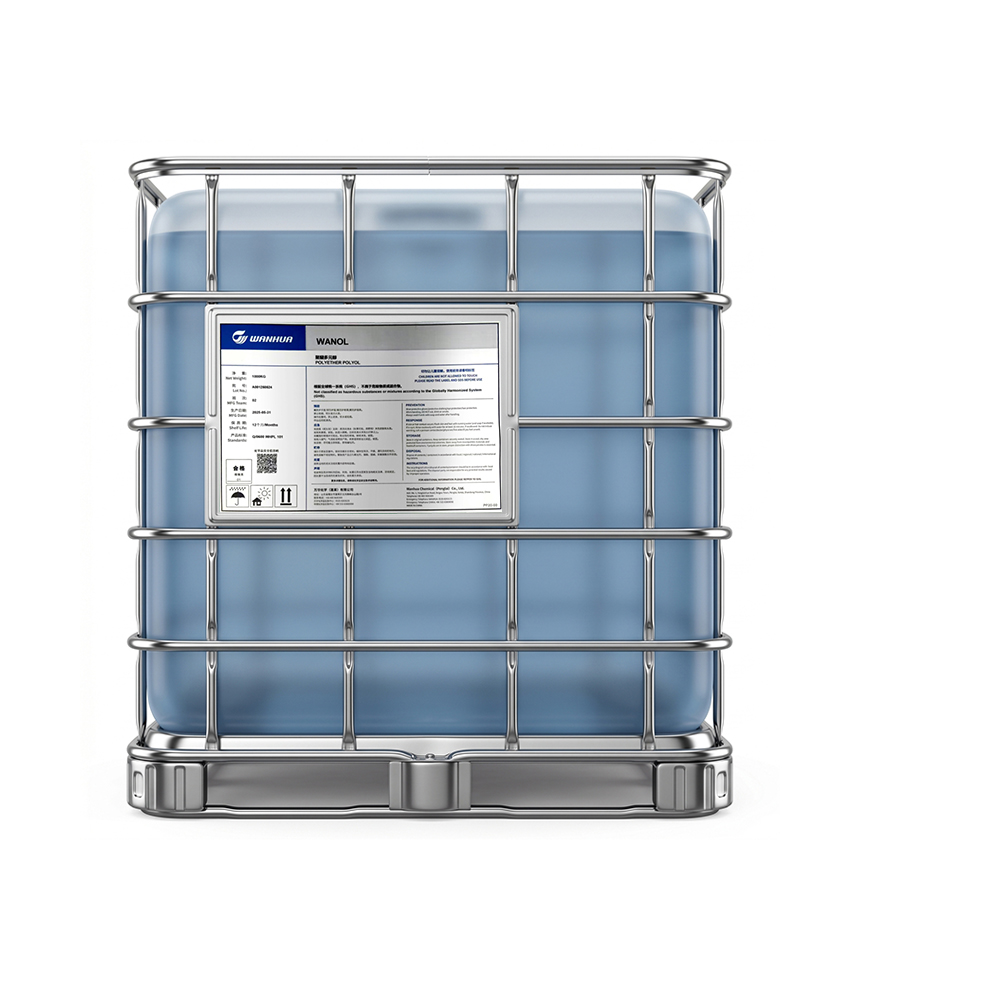
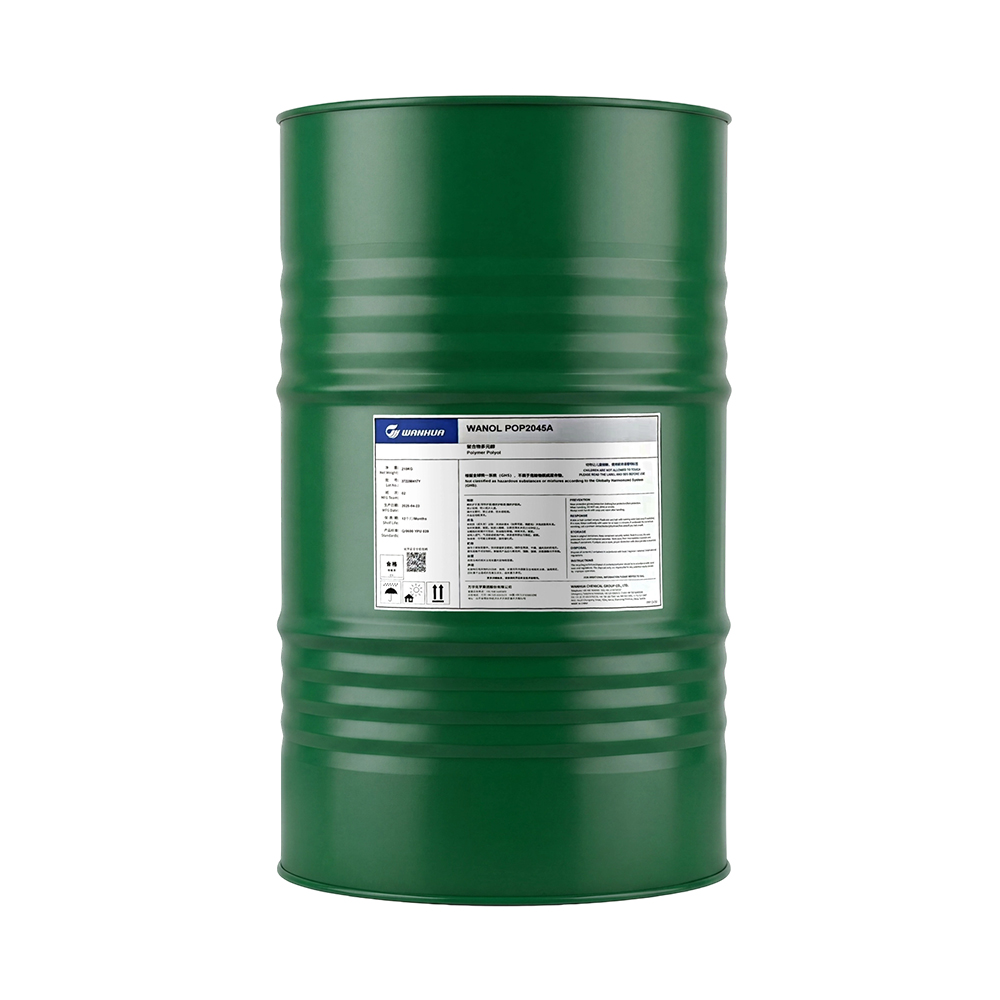
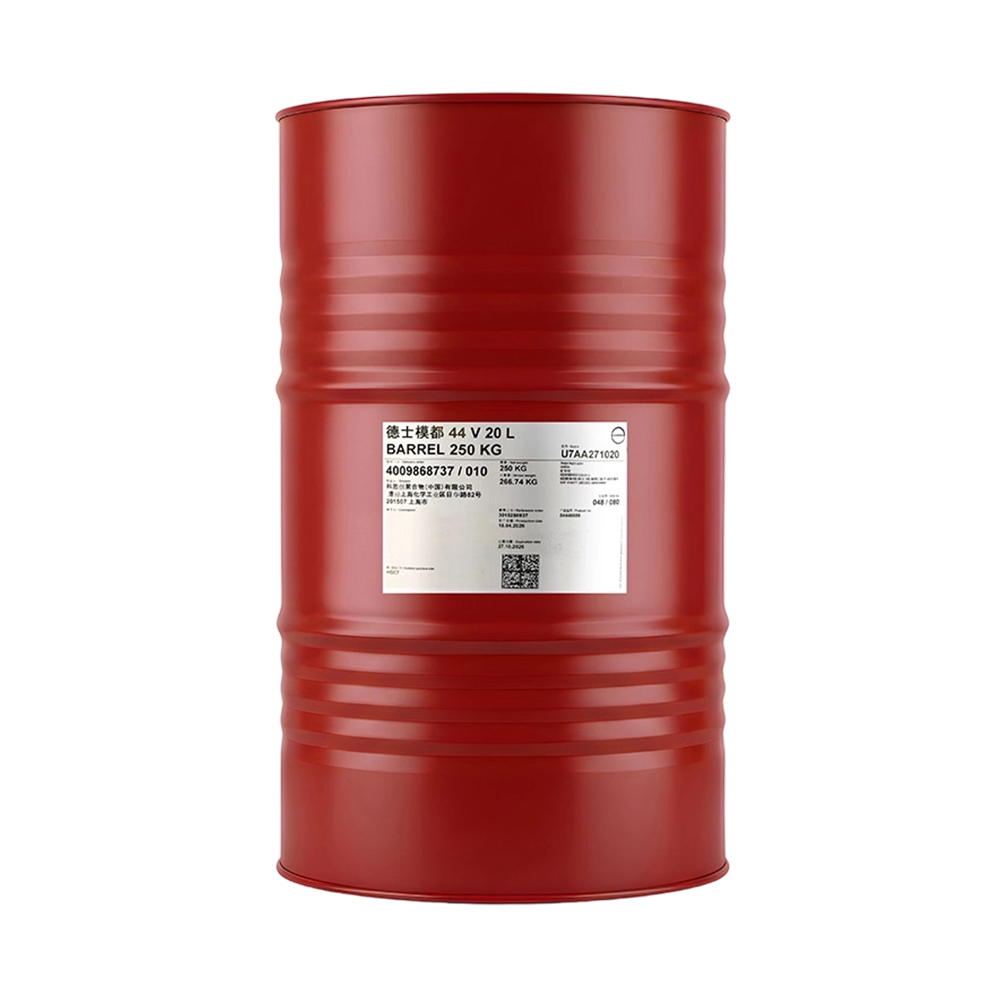
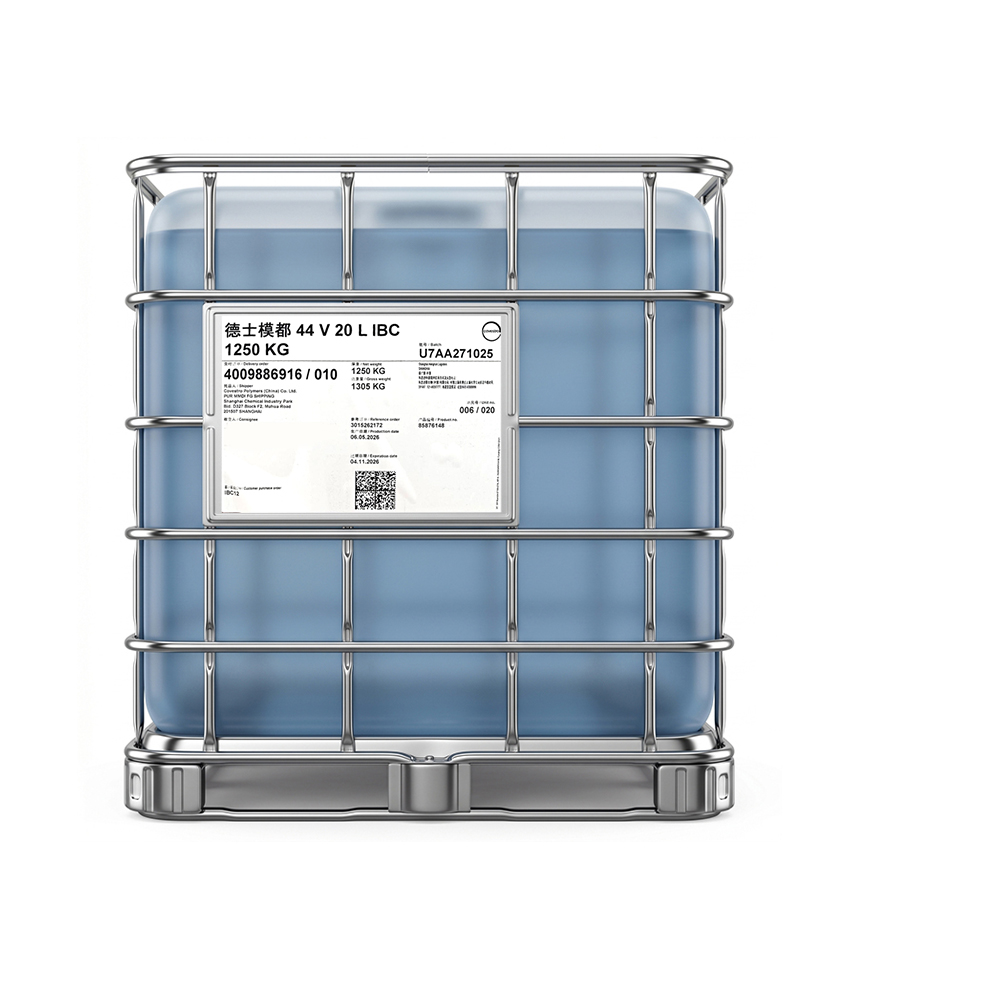
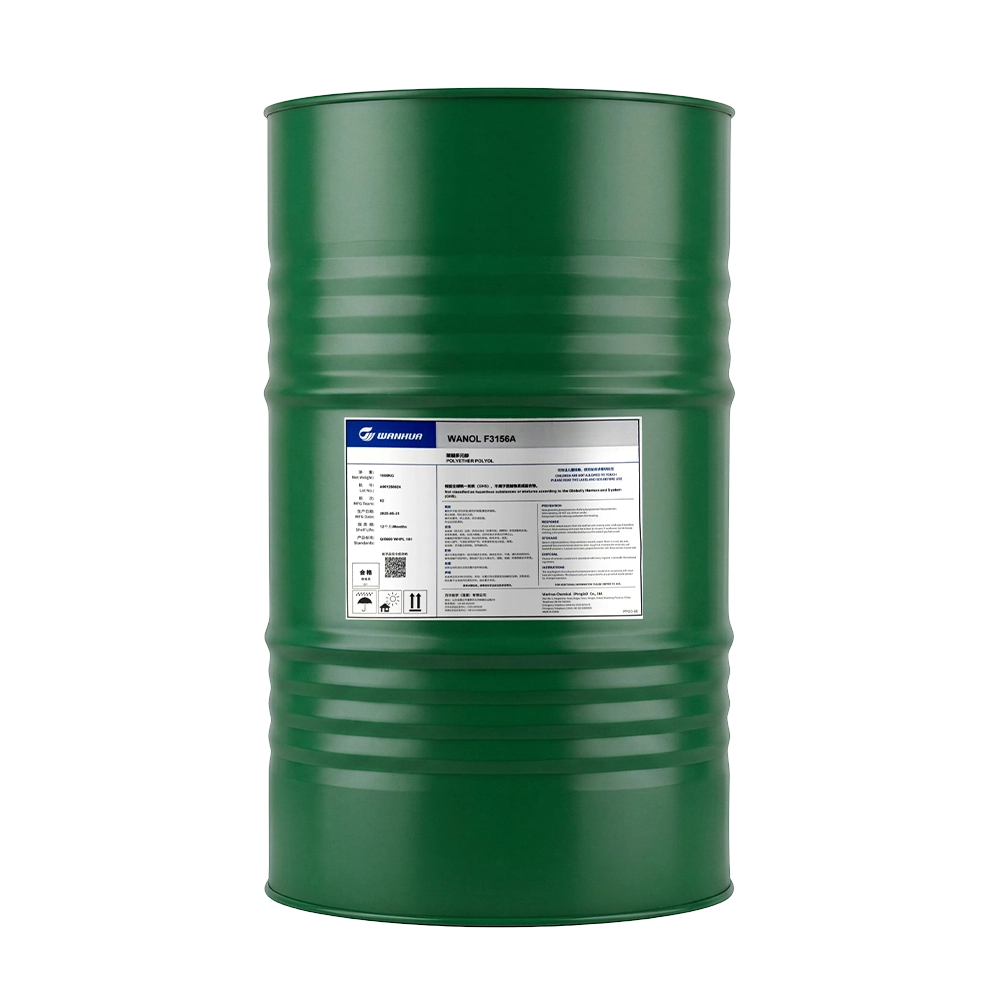
Polyether Polyol IBC Packaging refers to standard foam-grade polyether polyol supplied in intermediate bulk containers instead of drums or bulk tanker loads. Polyether polyol is the hydroxyl-bearing component that reacts with isocyanates such as TDI or Polymeric MDI to build the polyurethane network in flexible and semi-flexible foam. Polyether Polyol IBC Packaging gives converters a way to receive this raw material in a self-contained, reusable tote that bridges the gap between small drum orders and full tanker deliveries.
As a supply partner in the polyurethane raw material market, DOMI (HK) INDUSTRIAL CO., LIMITED is an official authorized distributor for world-class polyurethane manufacturers, including Covestro, Wanhua Chemical, Cangzhou Dahua, and Gansu Yinguang. With annual sales exceeding 50,000 metric tons and customers in more than 30 countries, DOMI (HK) INDUSTRIAL provides stable, high-quality, and cost-effective supply solutions for Polyether Polyol, including flexible IBC packaging options.
Key Advantages of Polyether Polyol IBC Packaging
- Single-container capacity well above standard drums, reducing the number of changeovers needed per production shift
- Sealed tote design lowers exposure to airborne moisture, which can otherwise affect polyol reactivity over time
- Stackable, pallet-mounted format simplifies forklift handling and warehouse space planning
- Bottom-valve discharge supports cleaner, more controlled transfer into day tanks or metering equipment
- Practical order-size match for converters whose consumption falls between drum-scale and tanker-scale demand
Because Polyether Polyol IBC Packaging is designed around a reusable, valve-equipped tote, converters can reduce both manual handling labor and the risk of contamination compared with repeatedly opening and resealing individual drums.
How Polyether Polyol IBC Packaging Fits Into Foam Production
Reaction Role of the Polyol
Once transferred from its Polyether Polyol IBC Packaging tote into the process system, the polyol's hydroxyl (-OH) groups react with isocyanate (-NCO) groups to form urethane linkages, while water in the formulation reacts with isocyanate to release carbon dioxide that expands the mixture into a cellular foam structure. The polyol's hydroxyl value and functionality set the achievable cross-link density, while its viscosity affects how smoothly it flows out of the tote and through metering pumps during continuous production.
Typical Property Reference
Typical reference parameters for IBC-packaged polyether polyol; actual values should be confirmed against the current technical data sheet (TDS).
| Parameter |
Typical Range |
Relevance to Handling |
| Hydroxyl Value |
Foam-grade range |
Sets cross-link density with isocyanate |
| Viscosity (25°C) |
Moderate, pumpable range |
Affects flow rate out of the IBC valve |
| Moisture Content |
Low, controlled |
Preserved by sealed tote design |
| Packaging Format |
IBC tote (typically 1000 L class) |
Suits mid-volume users with forklift handling |
Application Areas for Polyether Polyol IBC Packaging
Foam converters and fabricators rely on Polyether Polyol IBC Packaging to keep production supplied without the commitment of bulk tank infrastructure:
- Furniture cushioning and upholstered seating foam production
- Mattress core and comfort-layer foam manufacturing
- Molded foam parts for automotive interior components
- Small-to-mid batch flexible foam runs and product development trials
For these operations, Polyether Polyol IBC Packaging offers enough volume to support several days of continuous or semi-continuous foaming without the space and investment required for a dedicated bulk storage tank.
Handling and Sourcing Considerations
Even in a sealed tote, Polyether Polyol IBC Packaging should be stored indoors or under cover, away from direct sunlight and temperature extremes, with the discharge valve kept closed and clean between transfers to avoid moisture pickup. Consistent access to IBC-packaged polyether polyol depends on a supplier's stock depth and container turnaround capability. Established in 2022 and headquartered in Hong Kong, DOMI (HK) INDUSTRIAL CO., LIMITED leverages strong partnerships with leading producers to ensure a stable and reliable supply of premium polyurethane raw materials worldwide, backed by comprehensive documentation support including MSDS, TDS, and COA, along with flexible sea and land transportation options to streamline procurement.
Frequently Asked Questions
Q1: Why choose Polyether Polyol IBC Packaging over drums or bulk tanker supply?
IBC totes hold significantly more material than drums while avoiding the storage tank investment a bulk tanker delivery requires, making them a practical fit for mid-volume converters.
Q2: What is Polyether Polyol IBC Packaging mainly used for?
It is mainly used to supply foam-grade polyether polyol for flexible foam production in furniture, mattresses, automotive interior parts, and general cushioning applications.
Q3: How should Polyether Polyol IBC Packaging be stored before use?
It should be kept indoors or under cover, away from direct sunlight and temperature extremes, with the discharge valve kept clean and sealed between transfers.
Q4: Where can buyers source Polyether Polyol IBC Packaging reliably?
Buyers typically work with authorized distributors that maintain sufficient stock and documentation support, such as DOMI (HK) INDUSTRIAL CO., LIMITED, to ensure consistent quality and on-time delivery.




 English
 Français
 Español