Understanding Polymer Polyol POP IBC Packaging
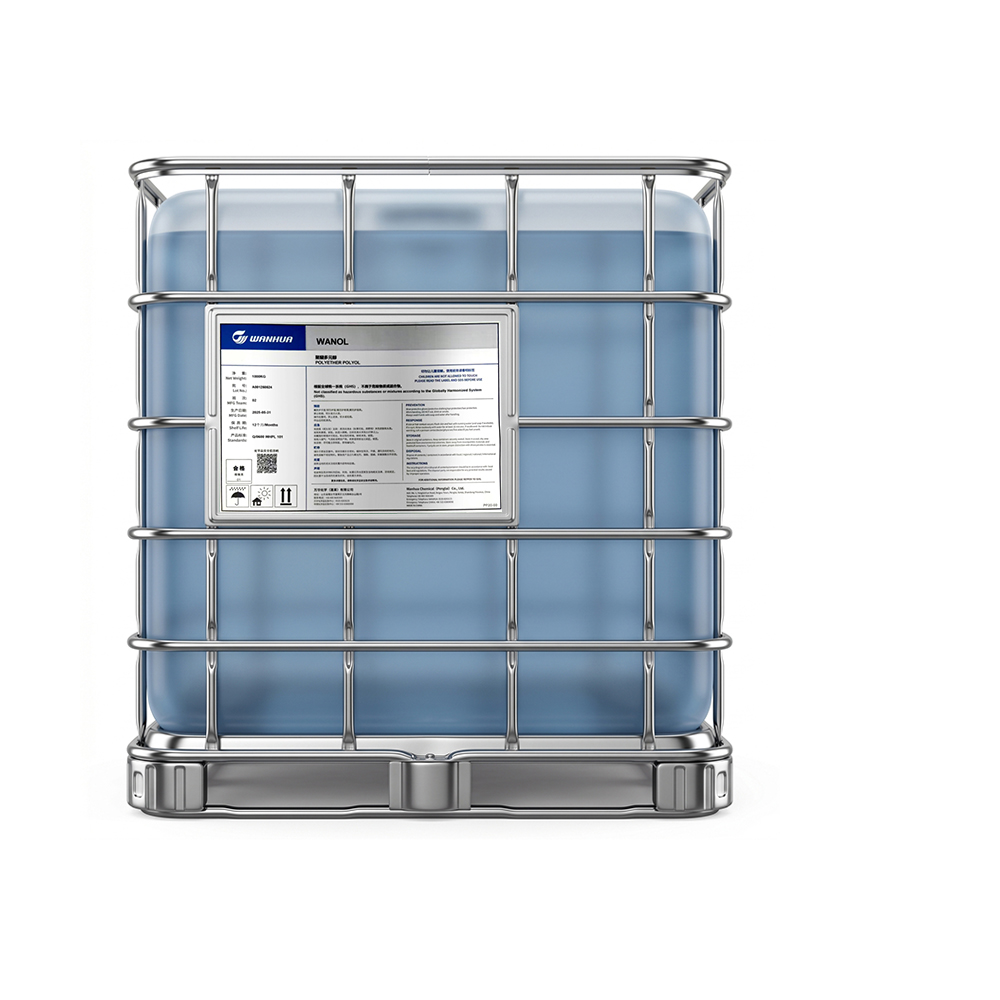
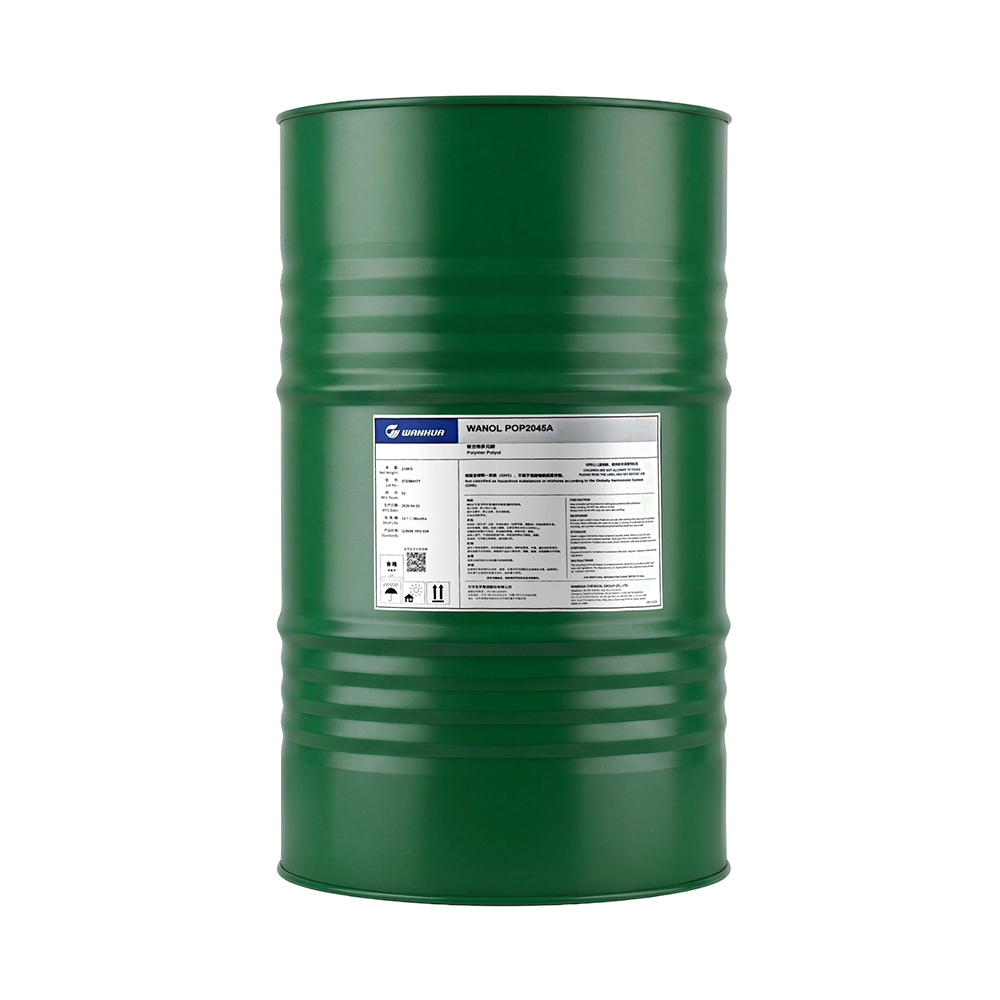
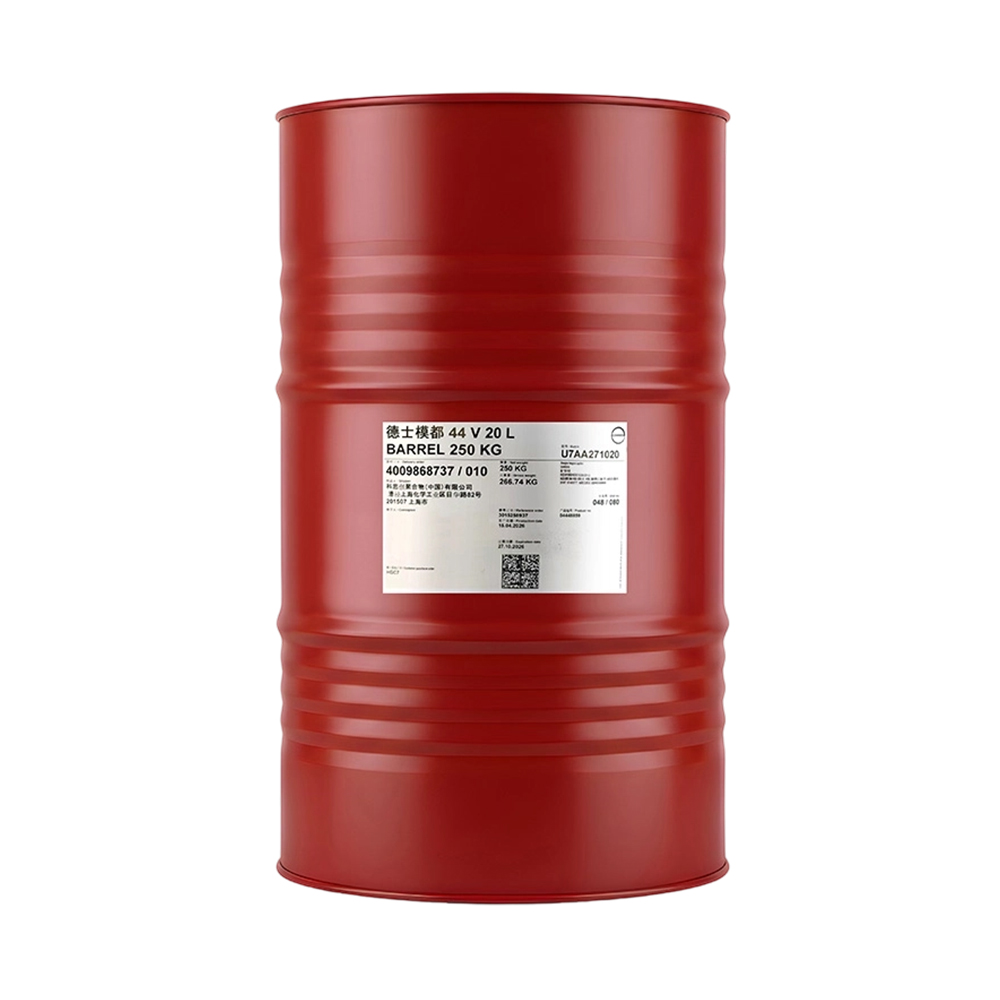
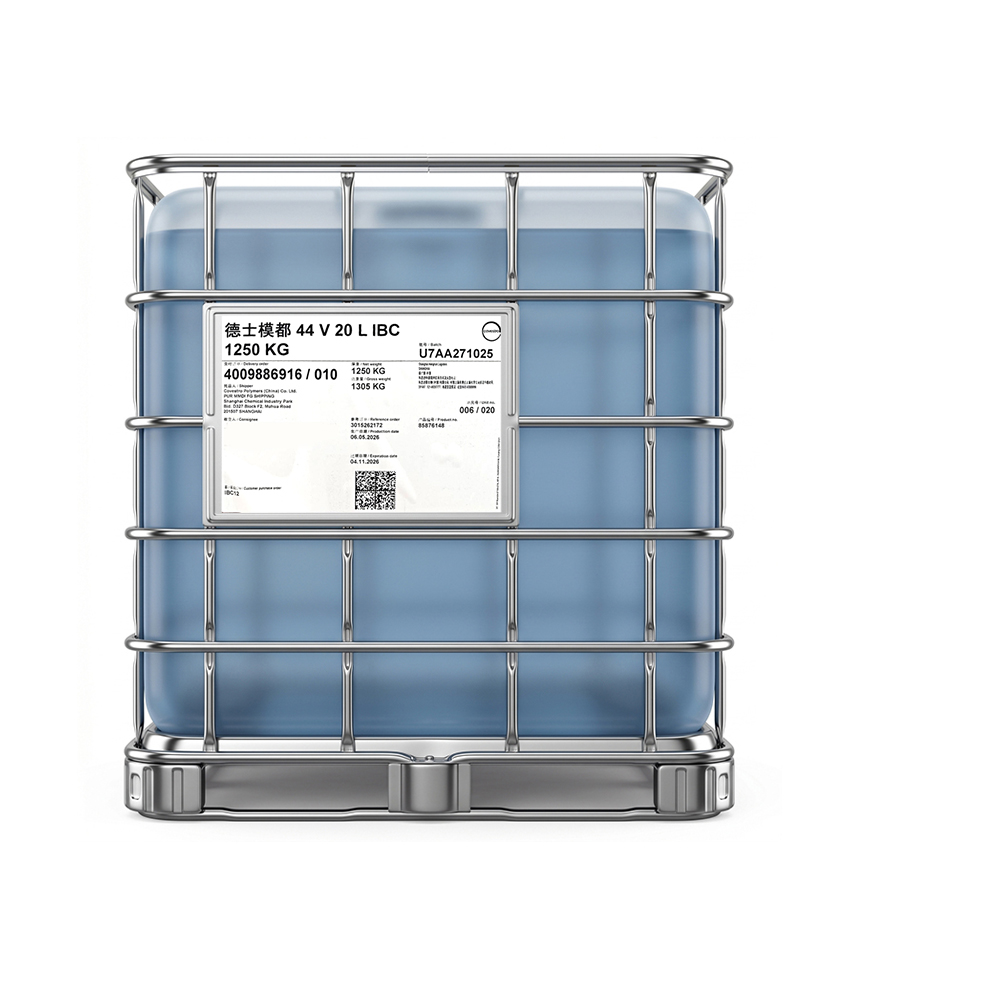
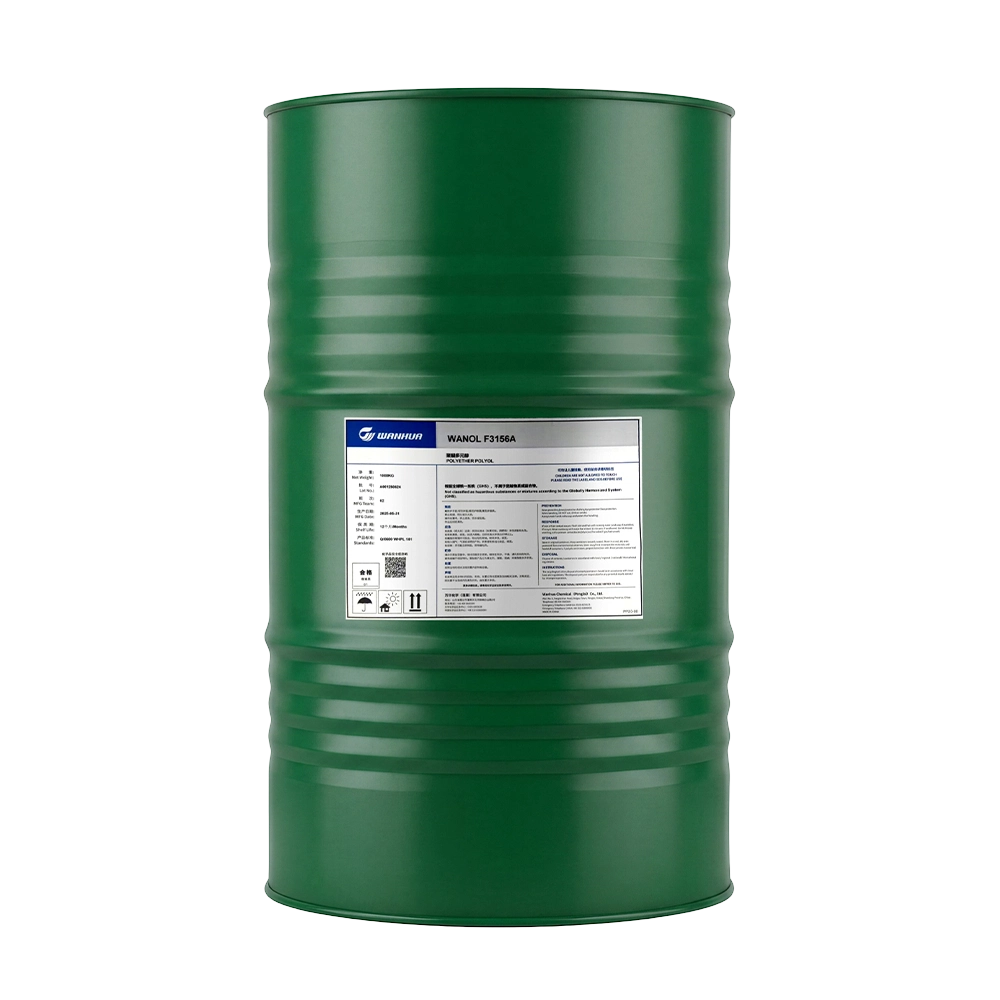
Polymer Polyol POP IBC Packaging refers to polymer polyol, also known as POP or filled polyol, supplied in intermediate bulk containers rather than drums or tankers. POP is a base polyether polyol containing finely dispersed solid polymer particles that increase the load-bearing capacity of polyurethane foam. Polymer Polyol POP IBC Packaging combines this functional benefit with a packaging format designed for mid-volume users who want easier handling than tankers but greater capacity than standard drums.
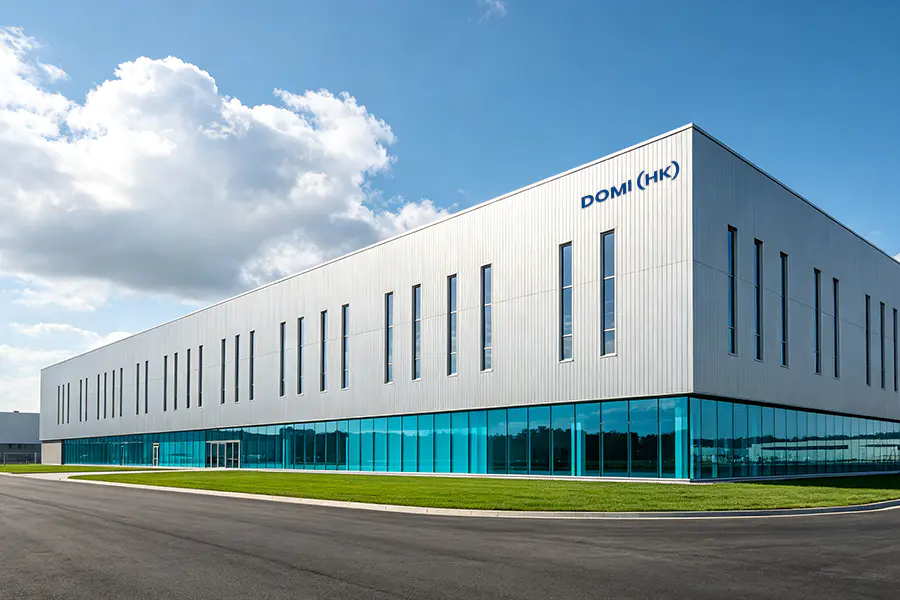
As a supply partner in the polyurethane raw materials market, DOMI (HK) INDUSTRIAL CO., LIMITED is an officially authorized distributor of world-class polyurethane manufacturers, including Covestro, Wanhua Chemical, Cangzhou Dahua, and Gansu Yinguang. With annual sales exceeding 50,000 metric tons and customers in more than 30 countries , DOMI (HK) INDUSTRIAL offers stable, high-quality, and cost-effective supply solutions for polymer polyol (POP), including flexible IBC packaging options.
Key Advantages of Polymer Polyol POP IBC Packaging
- Dispersed polymer solid particles increase foam load-bearing capacity without a corresponding increase in foam density.
- IBC totes reduce the risk of moisture and dust contamination compared with handling open drums.
- A larger volume per container than drums reduces the frequency of container changes on the line.
- The stackable, forklift-friendly IBC design simplifies warehouse storage and space planning.
- Consistent solids content from batch to batch supports stable foam firmness and support factor.
Because Polymer Polyol POP IBC Packaging combines functional performance with a practical container format, foam producers can increase cushioning firmness without complicating material handling on the shop floor.
How Polymer Polyol POP IBC Packaging Works
Reaction Mechanism
In Polymer Polyol POP IBC Packaging , fine solid polymer particles, typically made from styrene acrylonitrile or polyurea, are stably dispersed in a base polyether polyol. During foaming, the hydroxyl groups of the base polyol react with the isocyanate as usual to form a urethane network, while the dispersed solid particles act as reinforcing filler points inside the cell walls and struts. This reinforcement increases the foam's indentation load deflection (ILD) and support factor, giving foam that feels soft to the touch a firmer, more supportive response under sustained load without simply increasing overall foam density.
Typical Property Reference
Typical reference parameters for polymer polyol (POP) in IBC packaging; actual values should be confirmed against the current technical data sheet (TDS).
| Parameter |
Typical Range |
Relevance to Foam Processing |
| Solids Content |
Foam-grade POP range |
Increases load-bearing capacity and firmness |
| Hydroxyl Number |
Foam-grade range |
Controls crosslink density with the isocyanate |
| Viscosity (25°C) |
Higher than unfilled base polyol |
Requires appropriate pumping and heating for IBC handling |
| Packaging Format |
IBC tote (typically 1000 L class) |
Suits mid-volume users with forklift handling |
Applications of Polymer Polyol POP IBC Packaging
Foam producers use Polymer Polyol POP IBC Packaging as a blending component where a stronger, more supportive flexible foam is required:
- High-resilience mattress and seating foam requiring a higher support factor.
- Furniture cushioning where a firmer feel is needed without increasing density
- Automotive seating foam with load-bearing and durability requirements
- Molded foam parts requiring improved resistance to compression set.
In these processes, Polymer Polyol POP IBC Packaging is typically blended with a base polyether polyol at a ratio set by the formulator to reach the target ILD and support factor for the finished foam grade.
Handling and Sourcing Considerations
Because POP has higher viscosity and solids content than standard polyether polyol, Polymer Polyol POP IBC Packaging containers should be stored at moderate, controlled temperatures and periodically mixed or gently warmed to prevent particle settling before use. Consistent access to POP in IBC packaging depends on the supplier's inventory volume and container turnover capacity. Founded in 2022 and headquartered in Hong Kong, DOMI (HK) INDUSTRIAL CO., LIMITED leverages strong partnerships with leading manufacturers to ensure stable and reliable supply of premium polyurethane raw materials worldwide, backed by comprehensive documentation support, including MSDS, TDS, and COA, as well as flexible sea and land transport options to streamline procurement.
Frequently Asked Questions
Q1: Why choose polymer polyol POP IBC packaging over drum or tanker delivery?
IBC totes hold more volume than drums with a lower contamination risk than open handling, making them a practical middle option for mid-volume users who do not have bulk storage tanks.
Q2: What does the polymer content in Polymer Polyol POP IBC Packaging actually do?
The dispersed solid particles reinforce the foam cell structure, increasing indentation load deflection and support factor, so the foam becomes firmer under sustained load without a proportional increase in density.
Q3: How should polymer polyol POP IBC packaging be stored before use?
It should be stored at moderate, controlled temperatures, protected from moisture, and periodically mixed or gently warmed to prevent the solids from settling over time.
Q4: Where can buyers reliably source polymer polyol POP IBC packaging?
Buyers typically work with authorized distributors that maintain adequate stock and documentation, such as DOMI (HK) INDUSTRIAL CO., LIMITED , to ensure consistent quality and on-time delivery.




 English
 Français
 Español