Press your thumb into a mattress in a showroom and it springs back because two liquid streams were metered into a mixing head and poured into a mould months earlier. Stand on a railway platform under a 25 kV catenary and the grey ribbed insulator overhead is holding that voltage away from the steel structure for exactly the same reason: someone formulated a polymer to do one narrow job, and the process either respected the formulation or it did not.
Chemistry in everyday life makes more sense when you treat it as a supply chain rather than a school subject. The same handful of reaction families turn up in furniture foam, car interiors, protective coatings, and the composite hardware that keeps power and rail networks running. In each of those cases, the difference between a product that lasts a decade and one that fails in two years usually comes down to a specification, not a secret formula.
The Short Answer: Four Chemistry Families Cover Most of It
If you remember one thing, remember this: polyurethanes, thermoset composites, thermoplastics, and surfactant packages account for the overwhelming majority of chemical products you touch in a normal day. Everything else, including dyes, stabilisers and flame retardants, is usually an additive measured in fractions of a percent.
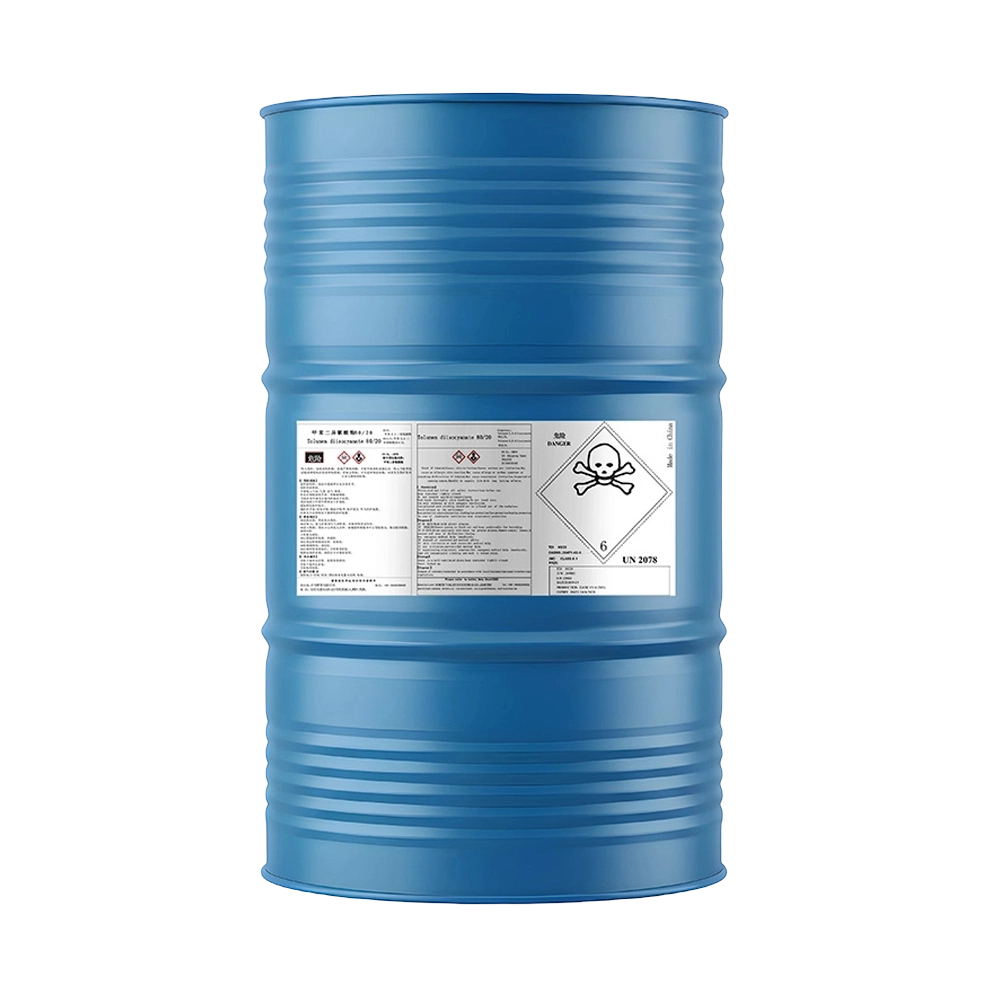
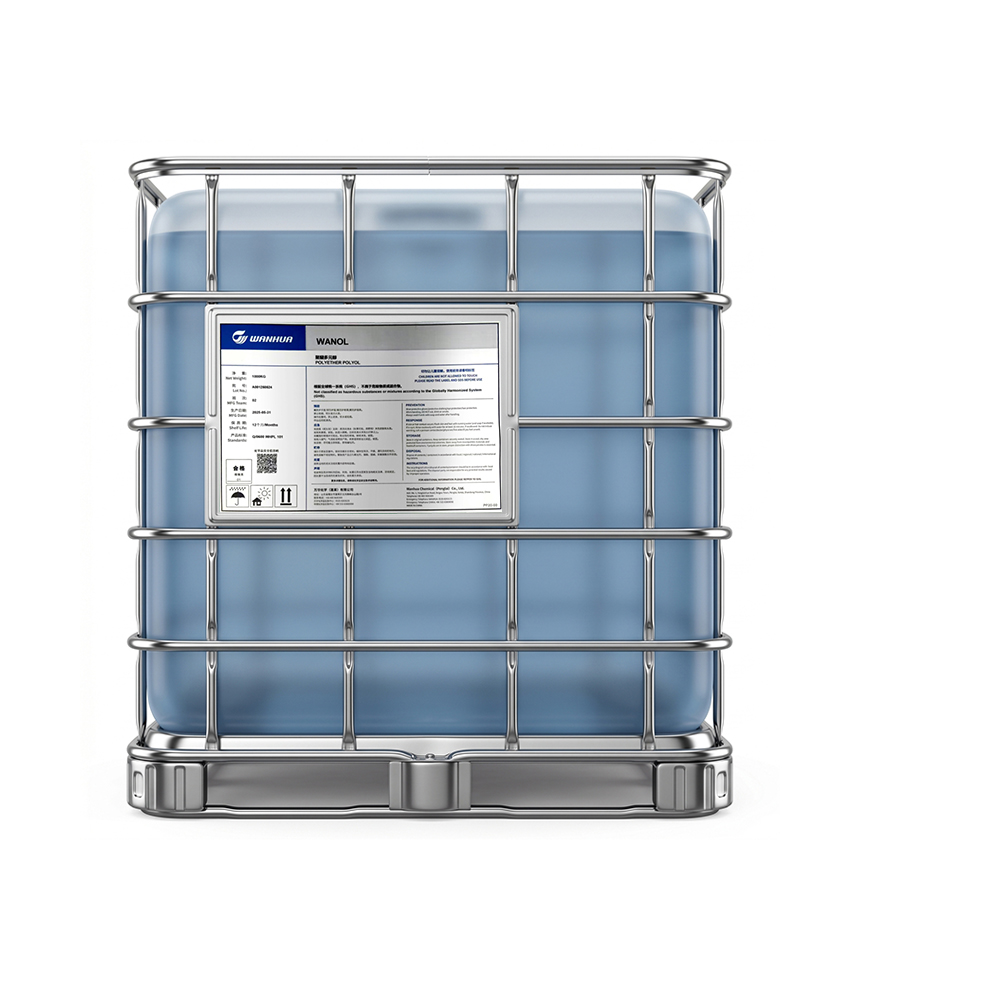
- Polyurethanes: an isocyanate such as TDI or polymeric MDI reacted with a polyether or polyester polyol. This family becomes foam, coatings, adhesives and sealants.
- Thermoset composites: epoxy, vinyl ester or polyester resin reinforced with glass fibre. This family becomes rods, tubes, insulator cores and fuse housings.
- Thermoplastics: polyethylene, polypropylene, PVC and ABS, which melt and can be remoulded into pipes, packaging and cable insulation.
- Surfactants and additive packages: the chemistry that lifts grease, wets a surface, or keeps a formulation from separating on the shelf.
For anyone buying these materials rather than studying them, the useful question is never which chemical. It is which grade, which tolerance, and which document proves the batch meets it.
Everyday Products and the Chemistry Doing the Work
The rows below pair familiar products with the chemistry responsible and the number that actually decides whether the product performs.
| Everyday item |
Chemistry doing the work |
What buyers actually measure |
| Mattress and sofa foam |
Polyurethane: TDI or polymeric MDI reacted with polyether polyol |
Density, hardness, compression set |
| Car seat foam |
Moulded polyurethane using polymer polyol (POP) |
Fatigue resistance, odour and emission limits |
| Panel and appliance insulation |
Rigid polyurethane foam with a physical blowing agent |
Thermal conductivity, closed-cell content |
| Coatings on wood and steel |
Polyurethane and epoxy film formers |
Adhesion, film thickness, chemical resistance |
| Overhead line insulator |
Silicone rubber housing over a glass-fibre reinforced core |
Creepage distance, mechanical load, hydrophobicity |
| Pole-mounted fuse cutout |
Filament-wound composite tube with metal fittings |
Rated voltage, breaking capacity, ageing resistance |
In every row the chemistry is fixed at the plant; what varies is formulation ratio, process control and specification discipline.
Read the right-hand column again. Chemists rarely argue about the reaction itself. Buyers and engineers argue about tolerances, and that is where money is either lost or saved.
Polyurethane: The Chemistry You Sleep On and Drive In
One reaction, many products
The core reaction is simple: an isocyanate group meets a hydroxyl group and forms a urethane linkage. Change the polyol, the isocyanate blend, the catalyst and the blowing agent, and that one reaction delivers a soft mattress slab, a rigid insulation board, or a hard-wearing industrial floor.
Where the main grades land
- TDI-based flexible slab foam for mattresses, sofas and packaging cushions, where hardness is set by the index and the density.
- Polymeric MDI combined with polyether polyol and polymer polyol for moulded car seats and headrests, where fatigue resistance and low odour matter more than raw softness.
- Rigid polyurethane systems for refrigerators, insulated panels and district heating pipe insulation.
- CASE systems, meaning coatings, adhesives, sealants and elastomers, for wood finishes, industrial flooring, shoe soles and structural adhesives.
What buyers should verify before the drum ships
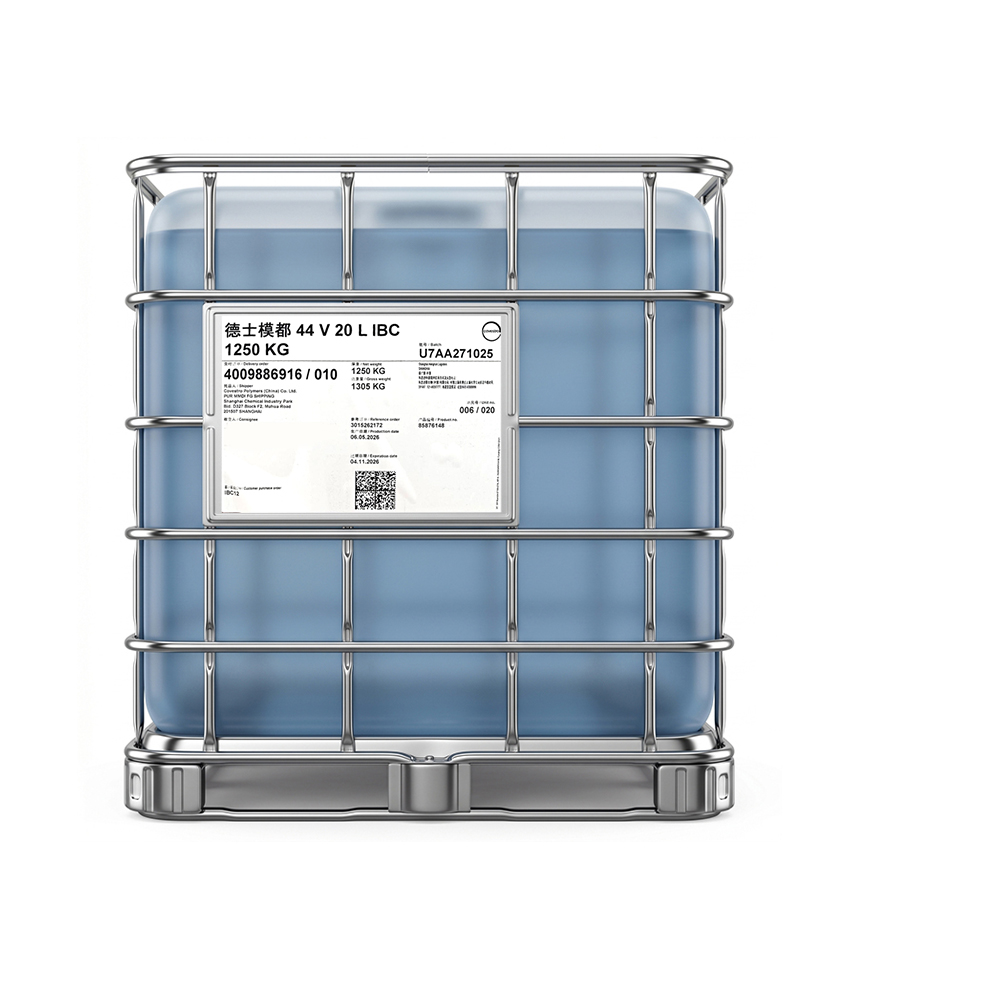
- NCO content for isocyanates and hydroxyl value for polyols, with the tolerance written into the contract. A drift of a few tenths of a percentage point shifts cream time and final foam hardness.
- Water content and acidity, because isocyanates react with moisture. A drum that has taken on water foams in storage and loses usable material before it ever reaches the line.
- Shelf life and storage conditions: sealed closures, a dry warehouse, and nitrogen blanketing wherever the supplier specifies it.
- Batch documents: technical data sheet, safety data sheet and a certificate of analysis that traces the lot back to a production date.
- A small trial before a full container commitment, since mixing ratios behave differently across climates, machine types and operating habits.
The Chemistry You Never Notice: Composite Insulators and FRP Rods
Look up at any overhead line or railway gantry built or refurbished in the last two decades and you are probably looking at a composite insulator: a glass-fibre reinforced plastic core, a silicone rubber housing, and two metal end fittings compressed onto the ends.
Each layer has one job. The FRP rod carries the mechanical load. The silicone housing sheds water and keeps leakage current low. The end fittings transfer that load into the tower or the cantilever. The layers only work as a system, which is why a dimensional check on the rod tells you more about long-term reliability than a glossy brochure does.
Compared with porcelain, polymer designs cut handling weight substantially, resist impact during installation, and their hydrophobic surfaces recover after pollution events. Those advantages only hold when the rod underneath is sound, which is why buyers request dye penetration tests, ultrasonic checks and dimensional records, and why profile selection matters as much as the resin system. A practical walkthrough of choosing the right FRP rod profiles is worth reading before you finalise a specification.
On the procurement side, four figures decide most insulator disputes: creepage distance, specified mechanical load, shed spacing, and the sealing method at the rod-to-fitting interface. Ask for the routine and type test reports against the relevant standard, not a summary page.
Filament-Wound Tubes: The Part of a Cutout Fuse Nobody Inspects
A pole-mounted cutout fuse looks simple: a tube, a fuse link, a hinge and a latch. The tube, however, is a filament-wound composite, made by winding continuous glass fibre around a mandrel at a controlled angle and bonding it with epoxy or polyester resin. Winding angle, wall thickness and resin content decide how the tube behaves when the fuse operates and vents hot gas at 24 kV or 35 kV class.
Because that tube sits outdoors for decades, its failure modes are as much chemical as mechanical: moisture uptake in the resin, ultraviolet ageing of the surface, and tracking along a contaminated housing. When you specify a 35 kV unit, ask for the resin system, the wall thickness and the ageing test data first. Fitting design and fuse-link coordination follow from those choices.
What to Check Before You Buy, Whether It Is a Drum or a Pallet
- Get the specification in numbers, not adjectives. High purity is not a specification; NCO content, hydroxyl value, creepage distance and mechanical load are.
- Ask which standard the batch was tested against, and request the report rather than a summary of it.
- Confirm per-batch traceability and a certificate of analysis. If a supplier cannot trace a drum or an insulator back to a production date, any warranty conversation becomes guesswork.
- Check packaging and transport. Isocyanate drums need sealed closures and dry conditions; insulators need protection against impact on shed surfaces and end fittings.
- Run a trial. One drum through your existing line, or one string on a test span, tells you more than any datasheet.
Chemistry in everyday life is ultimately a story about transfer: from a reactor to a drum, from a drum to a foam line, from a resin bath to a rod, from a rod to an insulator standing beside a coastal railway. The chemistry itself rarely fails. Formulation discipline, tolerances and documentation decide whether a mattress keeps its shape, a car seat stays comfortable after 100,000 kilometres, and an insulator on a gantry is still doing its job twenty years from now. If you buy these materials or components, that is the part of the story worth watching.



 English
 Français
 Español