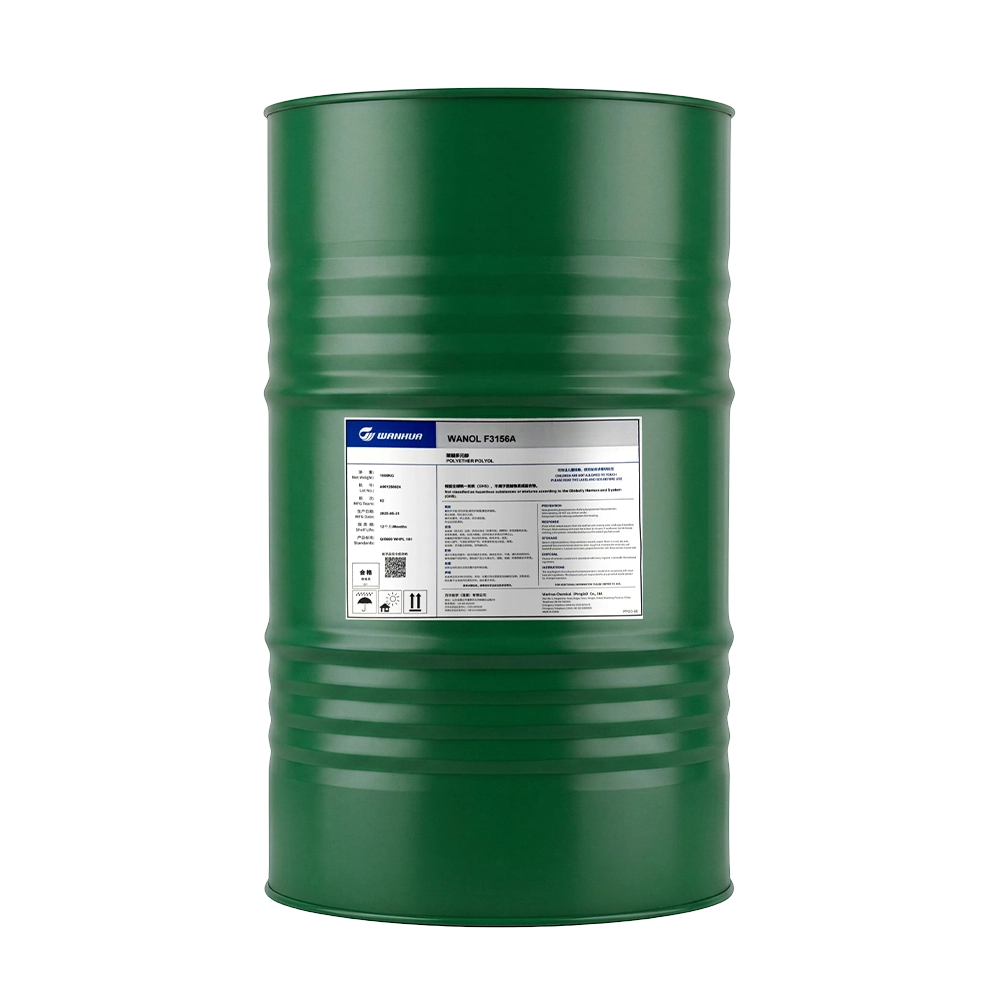
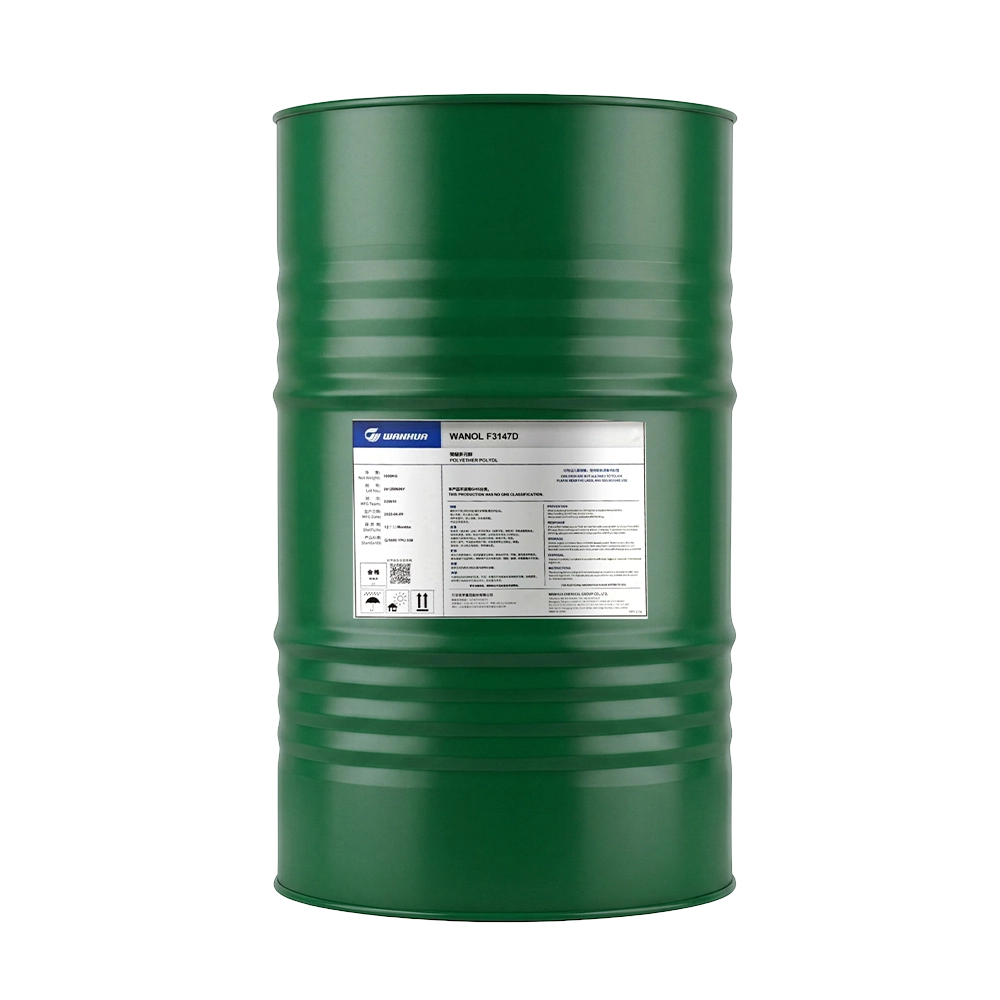
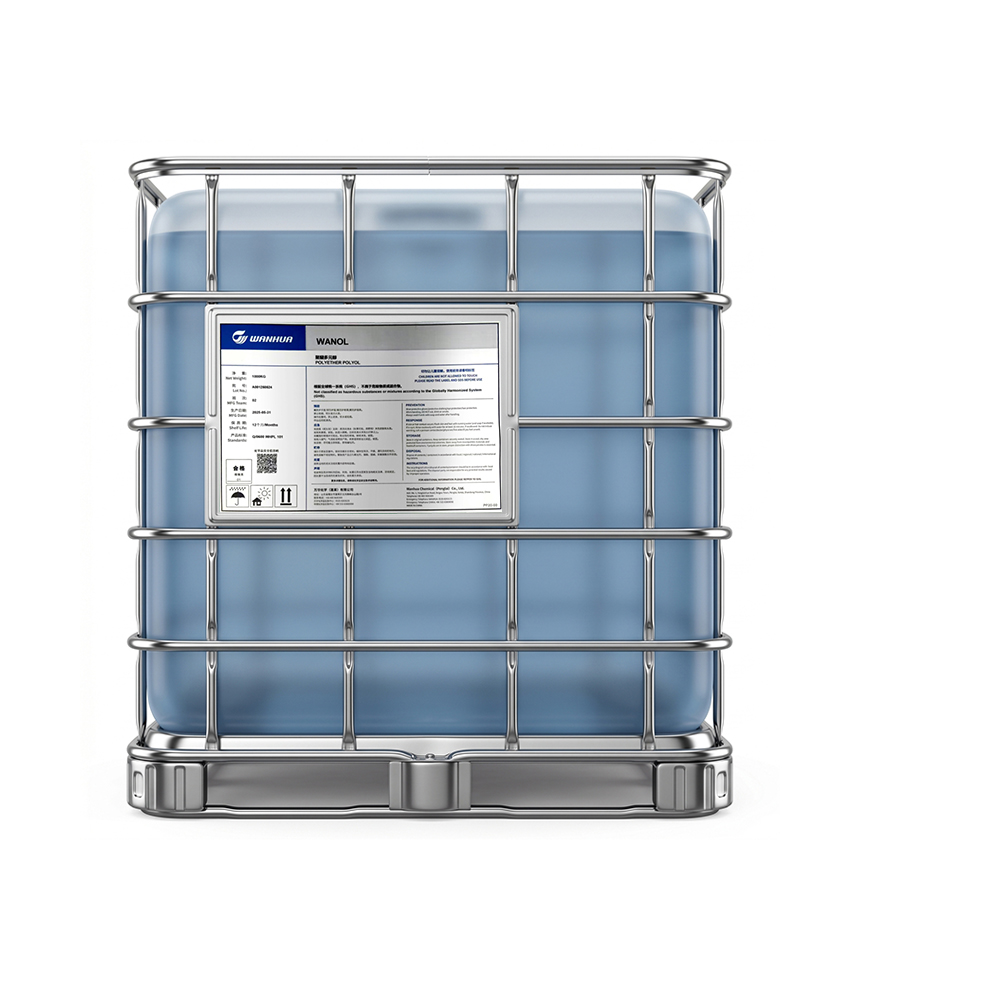
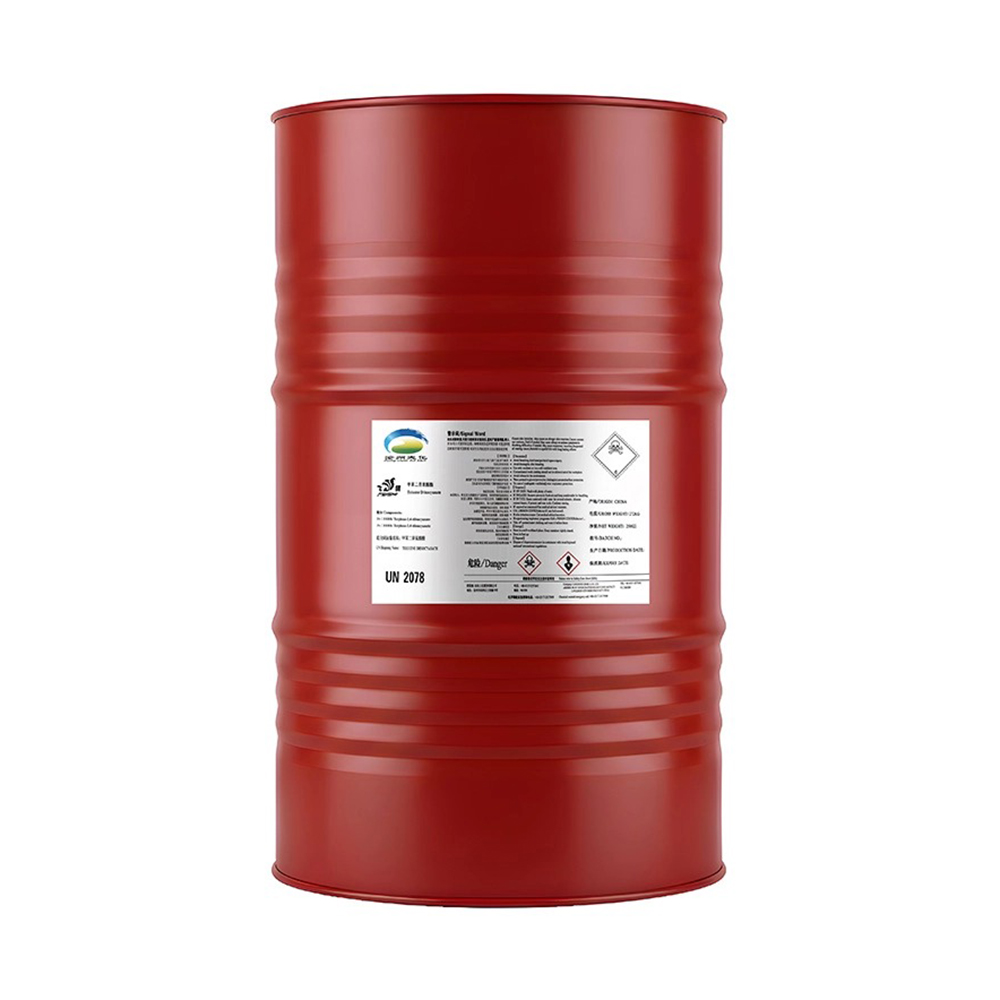
The global chemical industry is continuously advancing its low-carbon upgrade, with the polyurethane raw material sector accelerating the research and development and implementation of environmentally friendly products. Low-carbon emission foaming systems, bio-based modified polyols, and low-VOC isocyanate-based products have become key areas of industry research.
Various countries have successively introduced environmental control policies for chemicals, imposing detailed requirements on raw material carbon emissions, volatile organic compounds, and waste material recycling. Upstream and downstream enterprises are collaborating to optimize formulations and modify production processes to meet the low-carbon raw material needs of downstream applications such as building insulation, automotive interiors, and upholstered furniture.
Industry experts point out that collaborative innovation across the industrial chain is the core path to green transformation. Deepening technological cooperation among upstream raw material manufacturers, downstream product manufacturers, and testing institutions, and balancing product performance with environmental indicators, will allow low-carbon polyurethane raw materials to gradually occupy a larger market share and become a core consideration in foreign trade procurement.



 English
 Français
 Español