You are standing in front of a chemical storage room. The door sign shows a red diamond, a blue diamond, a yellow diamond, and a white diamond, with numbers between 0 and 4. In the next few seconds, you need to decide whether the area is safe to enter, what protective equipment to put on, and whether a spill is a minor nuisance or an immediate threat.
The symbols on chemical hazard signs are not arbitrary. They follow a visual communication system built into workplace safety regulations around the world, most notably the UN Globally Harmonized System (GHS) and NFPA 704. Once you understand the meaning behind the pictograms, signal words, numbers, and letters, you can read a new sign with confidence instead of guessing.
How to Read a GHS Label: The Four Core Elements
Under GHS, a compliant hazard communication label combines several pieces of information. The pictogram tells you the hazard class, the signal word tells you the severity, and the H and P codes provide the precise instruction.
- Pictogram: a red diamond border with a black symbol that identifies the type of hazard.
- Signal word: either "Danger" for severe hazards or "Warning" for less severe ones.
- Hazard statement: a standard phrase such as H225 that describes the nature and degree of the hazard.
- Precautionary statement: a phrase beginning with P, such as P210, that explains how to minimize the risk.
The same pictogram can appear on many different chemicals, so the signal word and the hazard statement carry the specific meaning. For example, the flame pictogram on acetone tells you it is flammable, but the H225 statement confirms it is a highly flammable liquid and vapor.
| Pictogram |
Hazard Category |
What It Means |
| Flame |
Flammable materials |
Catches fire easily; keep away from heat, sparks, and ignition sources. |
| Exclamation mark |
Irritants |
Causes skin or eye irritation, respiratory irritation, or acute toxicity in lower quantities. |
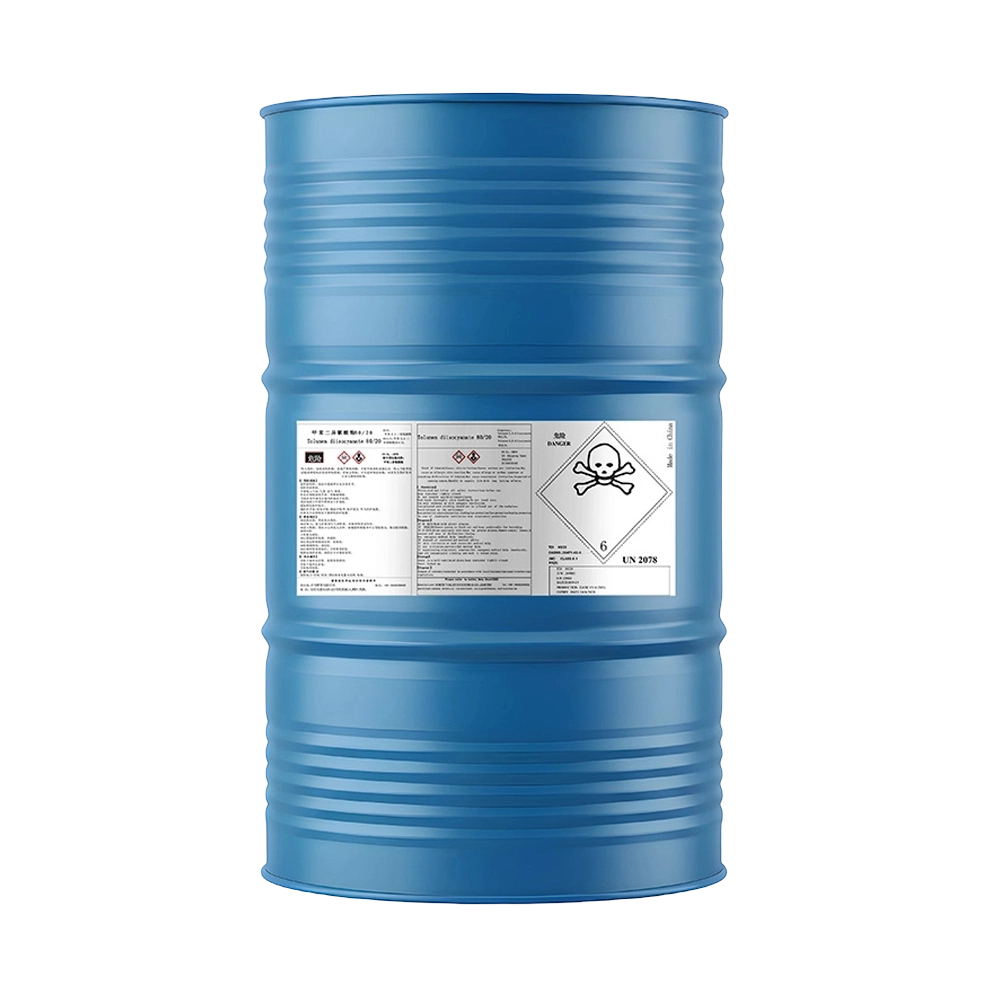
| Skull and crossbones |
Acute toxicity |
Fatal or toxic if swallowed, inhaled, or absorbed through the skin. |
| Corrosion |
Skin and eye damage |
Causes irreversible damage to skin, eyes, or metals. |
| Health hazard |
Long-term health effects |
Includes carcinogens, mutagens, reproductive toxins, respiratory sensitizers, and target organ toxins. |
| Flame over circle |
Oxidizers |
May cause or intensify fire; keep away from combustible materials. |
| Gas cylinder |
Gases under pressure |
May explode when heated; requires proper storage and pressure release. |
| Environment |
Aquatic toxicity |
Harmful to aquatic life; avoid release into drains and waterways. |
GHS pictograms use a black symbol on a white background inside a red diamond border.
NFPA 704: The Diamond That Rates the Severity
A GHS label tells you what is in the container. An NFPA 704 diamond tells you how serious the hazard is in the surrounding area. It appears on buildings, doors, tanks, and equipment, and it uses a simple 0 to 4 scale.
Four diamonds share a common center point: blue on the left for health, red at the top for flammability, yellow on the right for reactivity, and white at the bottom for special hazards. A value of 0 means minimal risk, while 4 means severe risk.
| Substance |
Health (Blue) |
Flammability (Red) |
Reactivity (Yellow) |
Special (White) |
| Water |
0 |
0 |
0 |
None |
| Acetone |
1 |
3 |
0 |
None |
| Ethanol |
1 |
3 |
0 |
None |
| Methanol |
1 |
3 |
0 |
None |
| Hydrogen peroxide 30% |
2 |
0 |
2 |
OX |
| Nitric acid |
3 |
0 |
2 |
OX |
OX means oxidizer; W would indicate a water-reactive substance, and SA would indicate a simple asphyxiant.
Hazard Statements and Precautionary Codes: The Fine Print
Hazard statements (H-codes) and precautionary statements (P-codes) convert a pictogram into a specific instruction. They are a required part of every GHS label and are also recognized in OSHA's Hazard Communication Standard.
- H225: Highly flammable liquid and vapor.
- H315: Causes skin irritation.
- H331: Toxic if inhaled.
- P210: Keep away from heat, sparks, open flames, and hot surfaces. No smoking.
- P280: Wear protective gloves, protective clothing, eye protection, and face protection.
The codes help safety officers track requirements across many chemicals, but always read the full sentence on the label. The code alone does not give the same practical detail as the complete text.
Why Chemical-Resistant Equipment Belongs in the Same Safety Plan
Hazard signs reduce risk by telling people what to avoid. But risk is also controlled by engineering, which includes the equipment you install in the area. In a chemical processing hall or a switchyard next to a storage facility, the air can contain solvent vapors, chlorine compounds, sulfur gases, or fine combustible dust. Those contaminants attack electrical components.
Porcelain insulators can track, crack, or lose mechanical strength under repeated chemical and moisture exposure. Composite insulators with a silicone rubber housing and a fiberglass core rod are designed to resist surface tracking, UV, and many industrial pollutants. For a detailed comparison, see our guide to choosing the right composite insulator.
Outdoor switchyards and substations often use composite post insulators because they reduce maintenance and hold up better in polluted atmospheres. The same logic applies to structural rods inside equipment: FRP rods are the mechanical core of many insulators and are also used as standoffs and support profiles. In chemically active environments, epoxy and fiberglass rods resist corrosion far better than bare steel.
If you are still unfamiliar with the product family, start with what a composite insulator is before you specify materials for a hazardous area.
Chemical hazard sign meanings are only useful when people act on them. The first step is training; the second is making sure the environment where those signs live is designed for the chemicals present. Audit your labels, review your safety data sheets, and select equipment that matches the hazard level shown on the diamond.
When you get the sign language right, the risk becomes visible. When you combine it with proper equipment and procedures, the risk becomes manageable.



 English
 Français
 Español