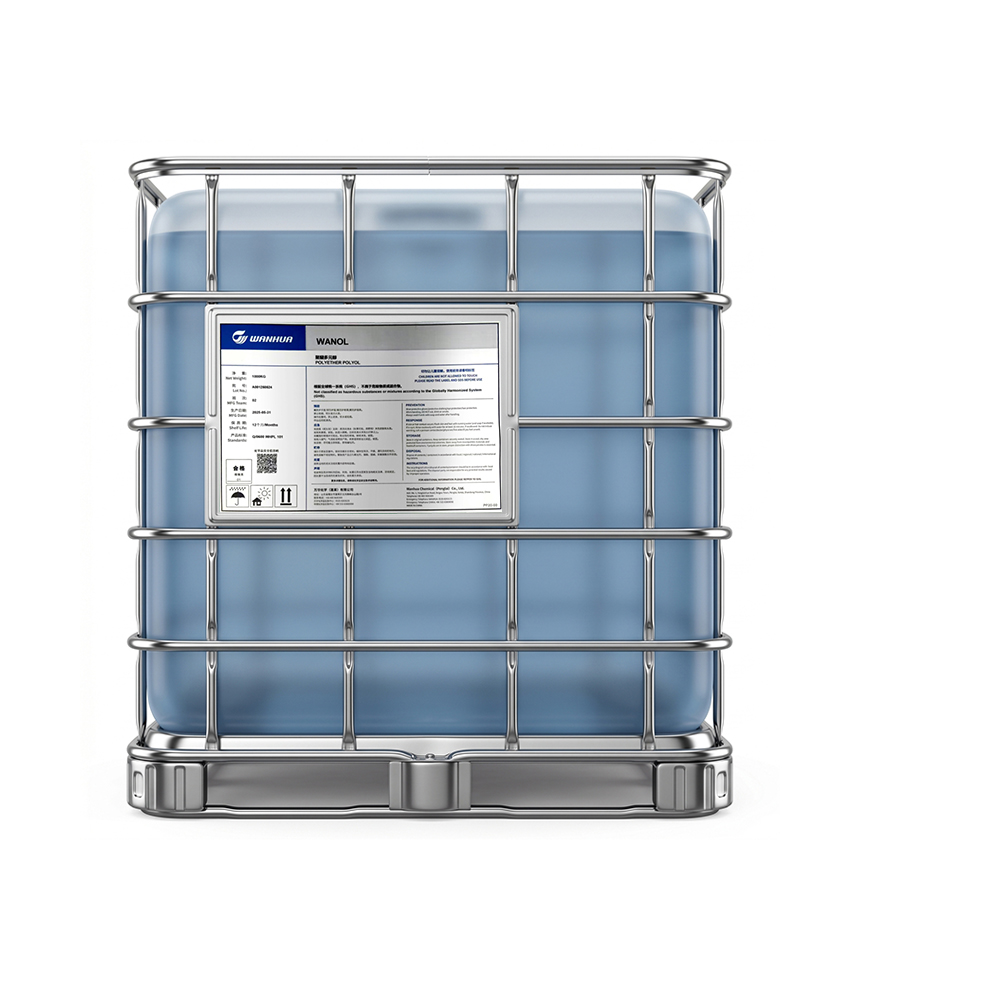
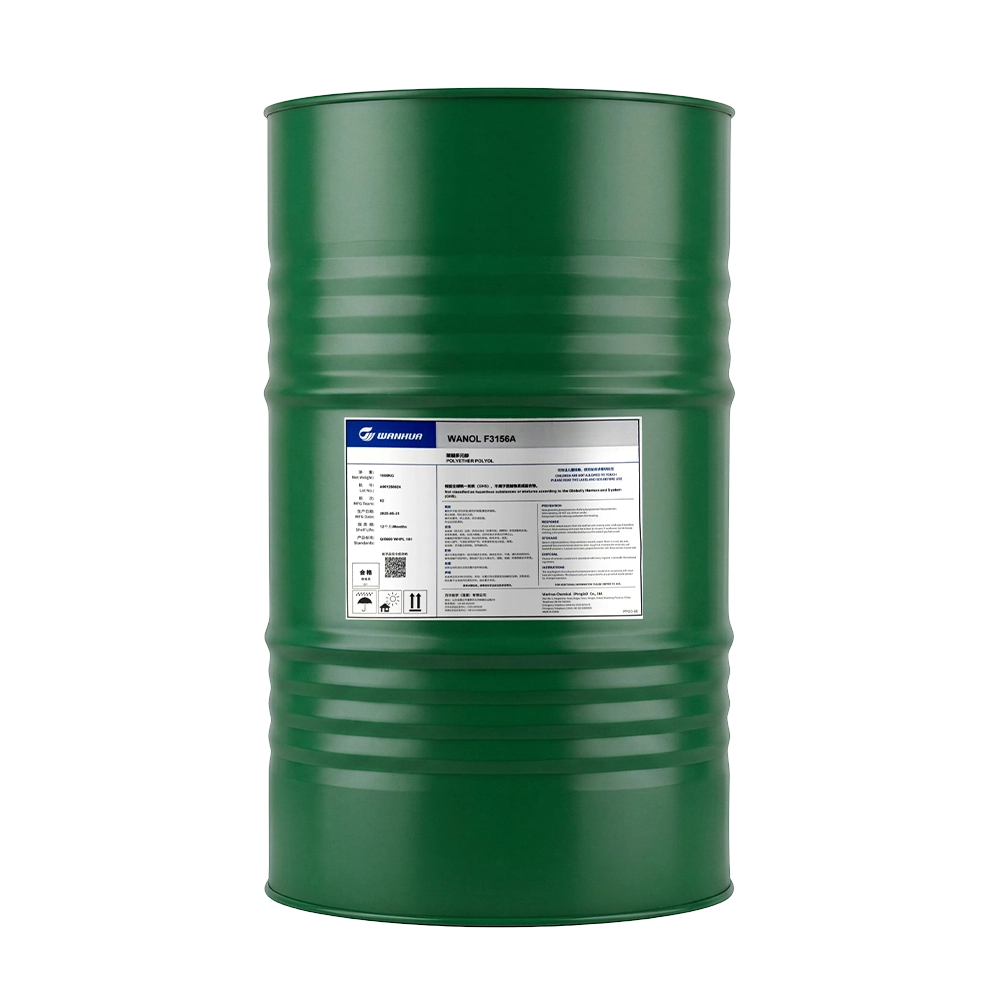
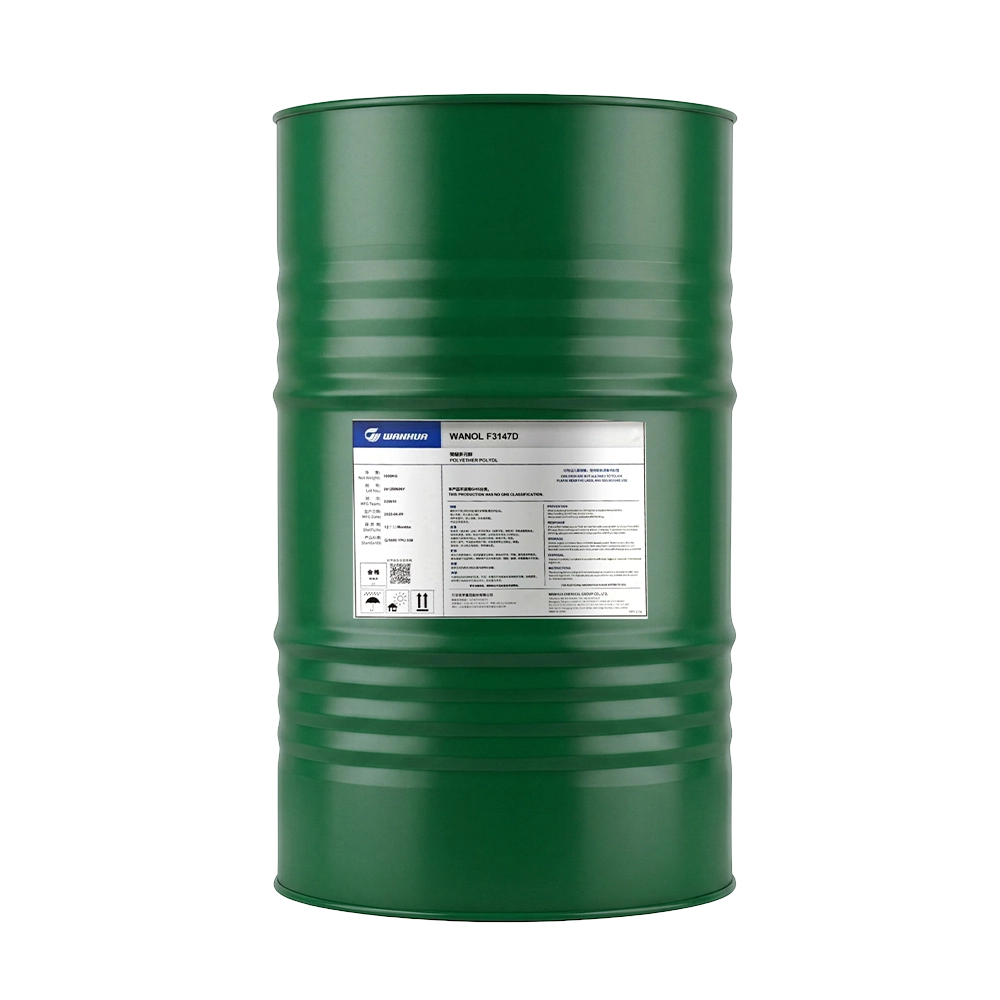
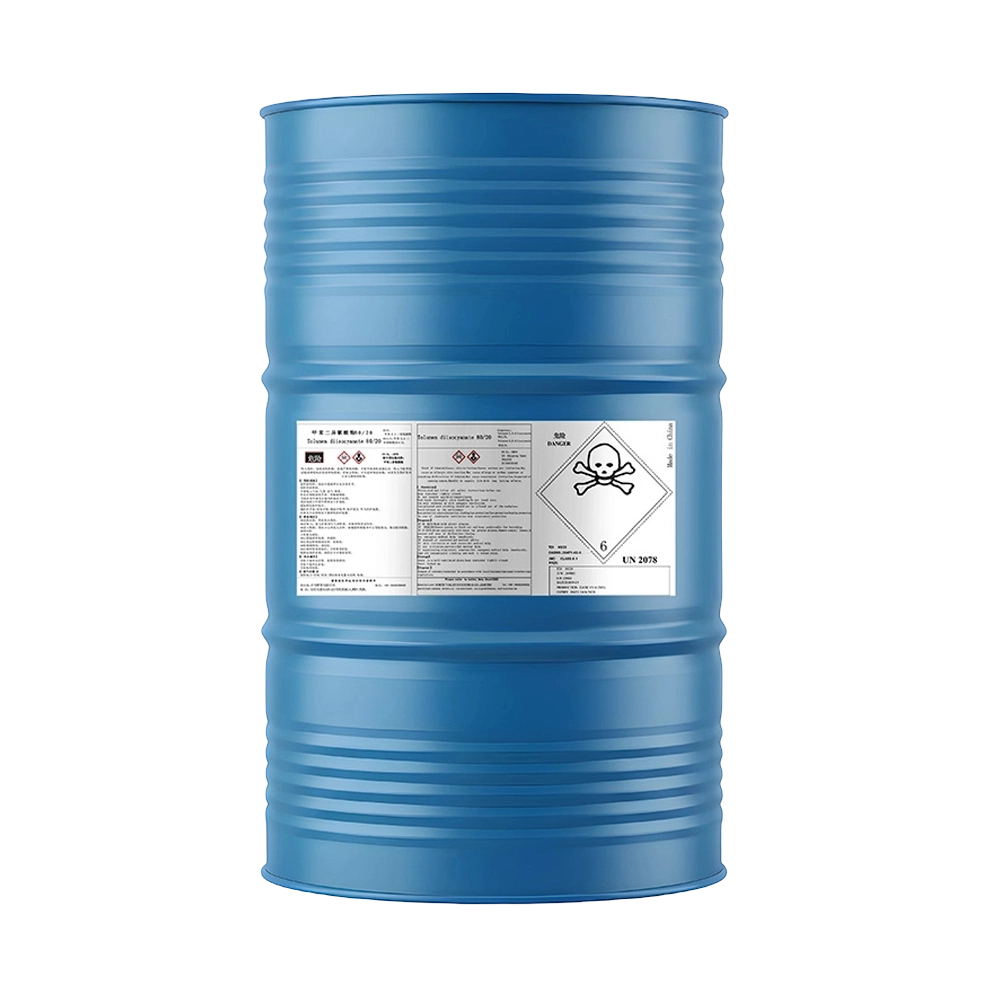
Polyether and polyester are not the same material. They are two distinct families of polymers built from different chemical backbones, and this difference carries through directly into the polyol raw materials used to manufacture polyurethane products. A polyether polyol contains repeating ether linkages formed from the reaction of an initiator with alkylene oxides such as propylene oxide or ethylene oxide, while a polyester polyol contains repeating ester linkages formed from the reaction of a diacid with a diol. This structural difference is the reason polyether polyol based foam behaves differently from polyester polyol based foam in terms of moisture resistance, flexibility and cost.
The sections that follow explain the chemistry behind each polymer type, compare their real world performance characteristics side by side, and outline which industries rely on polyether polyol specifically because of the properties this chemistry provides.
The Chemical Difference Between Polyether and Polyester Backbones
Both polymer families are used to build polyols, the building block molecules that react with diisocyanates such as toluene diisocyanate or methylene diphenyl diisocyanate to form polyurethane. What separates them is the type of chemical bond that repeats along the polymer chain.
A polyether polyol is produced by reacting a starter molecule, commonly a low molecular weight polyol such as glycerin or propylene glycol, with alkylene oxide monomers under catalytic conditions. This reaction builds a chain of carbon atoms connected through oxygen atoms, known as an ether linkage, and the process is repeated until the desired molecular weight and functionality are reached.
Polyester Polyol Structure
A polyester polyol, by contrast, is produced through a condensation reaction between a dicarboxylic acid and a diol, releasing water as a byproduct and forming ester linkages along the backbone. Adipic acid reacted with diethylene glycol is one of the most common combinations used to produce commercial polyester polyols.
Structural comparison of polyether polyol and polyester polyol
| Feature |
Polyether Polyol |
Polyester Polyol |
| Repeating linkage |
Ether bond, carbon oxygen carbon |
Ester bond, carbon oxygen carbonyl |
| Typical raw materials |
Propylene oxide, ethylene oxide, glycerin starter |
Adipic acid, diethylene glycol |
| Water resistance |
High, resists hydrolysis well |
Lower, ester bonds are more prone to hydrolysis |
Where Polyether Polyol Is the Preferred Raw Material
Because of the balance of flexibility, cost and moisture resistance it offers, polyether polyol accounts for the majority of global polyol consumption used in flexible and rigid polyurethane foam production.
Flexible Foam for Furniture and Bedding
Mattress cores, sofa cushions and carpet underlay are almost universally produced using polyether polyol formulations reacted with toluene diisocyanate, since the resulting foam offers the soft, resilient feel that consumers expect while remaining stable against humidity exposure over years of use.
Rigid Foam for Insulation
Polyether polyol with higher functionality, meaning more reactive hydroxyl groups per molecule, is used to produce the rigid closed cell foam found in appliance insulation, spray foam insulation and structural insulated panels, where dimensional stability and low thermal conductivity are the priorities.
Automotive and Industrial Elastomers
Polyether polyol also appears in cast elastomers and reaction injection molded parts used in automotive bumpers, fascia and industrial rollers, where its flexibility and resistance to repeated flexing cycles provide a service life advantage over polyester based alternatives in similar dynamic load conditions.
Market Scale and Production Trends
According to data compiled by the American Chemistry Council, polyether polyols represent the overwhelming majority share of total polyol production volume in North America, with flexible foam applications alone consuming the largest single portion of that output. This scale advantage has helped keep polyether polyol production costs comparatively stable relative to specialty polyester polyol grades, which are produced in smaller volumes for more specialized coating, adhesive and elastomer applications.
Typical end use share comparison between polyether polyol and polyester polyol
| End Use Category |
Dominant Polyol Type |
Reason for Preference |
| Flexible slabstock foam |
Polyether polyol |
Softness, cost, hydrolysis resistance |
| Rigid insulation foam |
Polyether polyol |
Low thermal conductivity, dimensional stability |
| Synthetic leather coatings |
Polyester polyol |
Abrasion resistance, surface gloss |
| Cast elastomer rollers |
Polyester polyol |
Tensile strength, oil resistance |
Frequently Asked Questions About Polyether Polyol and Polyester
Is polyether polyol the same material as polyester fiber
No. Polyester fiber used in textiles is an entirely separate polymer built from terephthalic acid and ethylene glycol, while polyether polyol is a reactive intermediate used to manufacture polyurethane foam, coatings and elastomers. The two share the general polymer naming convention but serve completely different purposes.
Which type of polyol resists water damage better
Polyether polyol based polyurethane holds up better against prolonged moisture exposure because its ether linkage is more resistant to hydrolysis than the ester linkage found in polyester polyol.
Why is polyether polyol used more often in mattress foam
Mattress foam needs to remain soft and resilient over years of repeated compression while resisting moisture from normal use, a combination that favors the flexibility and hydrolysis resistance that polyether polyol provides over polyester polyol.
Does polyester polyol have any advantage over polyether polyol
Yes, polyester polyol generally provides higher tensile strength, better abrasion resistance and stronger substrate adhesion, which is why it remains the preferred choice in certain coatings and synthetic leather applications despite its lower moisture resistance.
Can polyether polyol and polyester polyol be blended together
Formulators sometimes combine both polyol types in a single system to balance flexibility with mechanical strength, though the resulting blend requires careful adjustment of catalyst and additive levels to achieve stable processing and consistent finished properties.



 English
 Français
 Español